
Tajikistan: The Pamir, Valleys and Cultural History
Accommodation in Tajikistan
Tajikistan is a mountainous country in Central Asia, where distances, altitude and road conditions shape the course of a trip more than the number of sights alone. Dushanbe, the western valleys, Panjakent and the Pamir offer very different experiences. When planning a visit, first decide whether cities, cultural history, hiking or a challenging scenic route will be the main focus.
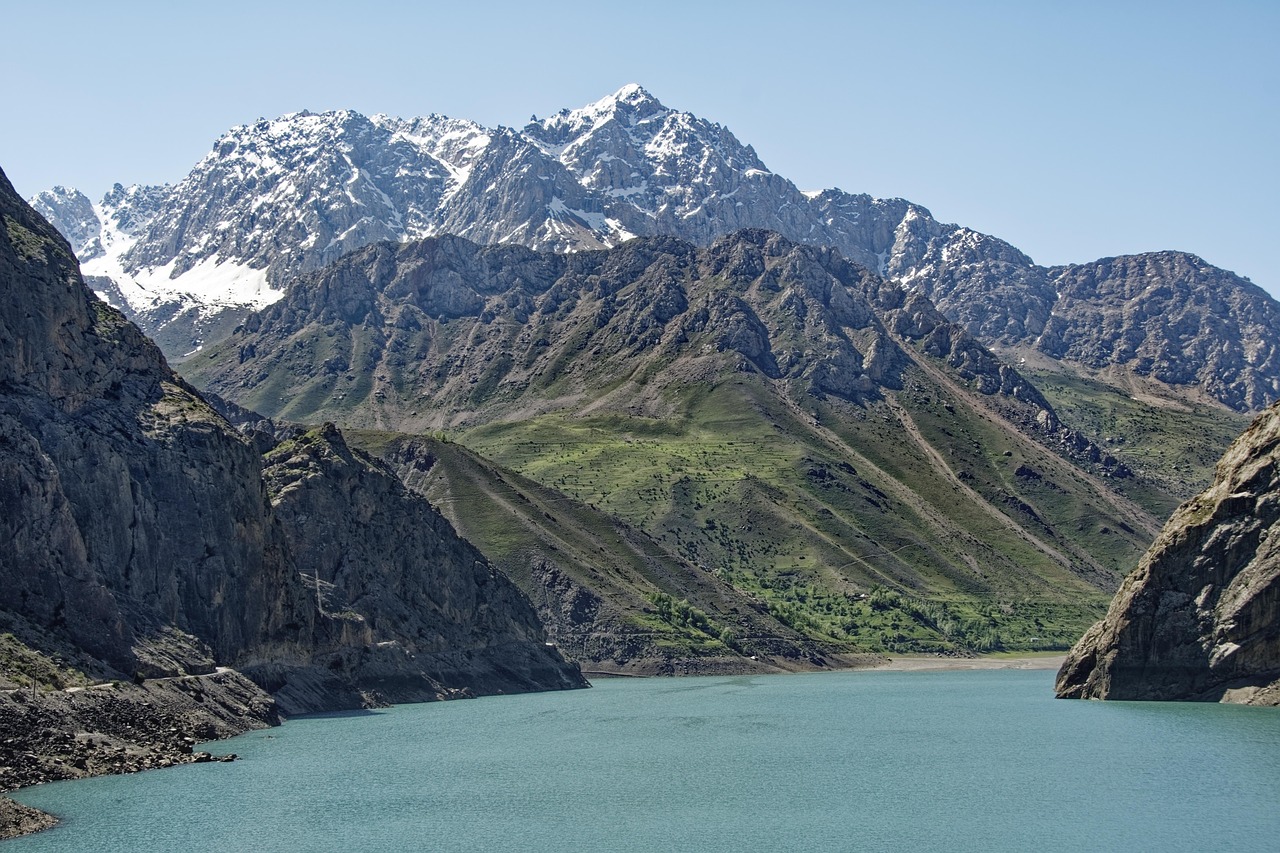 Felsige Pamirlandschaft mit einem türkisfarbenen Bergsee.
Photo: Makalu from Pixabay
Felsige Pamirlandschaft mit einem türkisfarbenen Bergsee.
Photo: Makalu from Pixabay
Quick facts: Tajikistan
- Dushanbe is the main urban starting point for many trips.
- The Pamir combines great heights, vast landscapes and long, challenging drives.
- Panjakent and the western valleys offer a different focus from the high-mountain route.
- Mountain passes, weather, road conditions and border areas can change travel plans at short notice.
- For remote stretches, water, communications, accommodation and medical contingencies are important.
- Check the latest entry, safety, permit and traffic requirements before every trip.
- Dushanbe is often a good starting point for getting oriented and preparing for the next legs of a trip.
- The Pamir means great heights, vast landscapes and long drives that are not always easy to plan.
- Panjakent links the history of a city with a cultural landscape along ancient routes between Central Asia and the Pamir region.
- Mountain passes, weather, border areas and road conditions can change a route at short notice.
- For remote sections, allow extra time and ensure reliable communications and realistic provisions.
- Entry, safety and traffic requirements must be checked again with official sources before the specific trip.
Dushanbe as a starting point
Dushanbe is the most practical first stop for many trips. The capital offers an urban contrast to the high-mountain landscapes and makes it easier to organize your arrival, accommodation, access to money and the next days on the road. If you plan to head straight to remote valleys, first find out how long the journey takes, what supplies are available along the way and whether you need to allow a spare day.
From Dushanbe, you can combine western valleys, historic sites and routes towards the high mountains in different ways. A short trip is usually easier to manage if you focus on the city and add just one other region. For longer journeys, a driver or organized transport is not automatically the best option; what matters is experience on the route, a buffer for weather, the condition of the vehicle and clear arrangements.
The Pamir and the high mountains
The Pamir captivates visitors with its high plateaus, steep valleys, rivers and vast open spaces. However, it is not a destination for a tightly scheduled circuit. Acclimatization, breaks, accommodation and the possibility that a pass or road section may not be passable as planned all need to be factored in. Hikers also need information about trail markings, weather, water, return options and medical assistance.
The Tajik National Park is listed by UNESCO as a World Heritage Site. This underscores the importance of the Pamir landscape, but does not replace local rules or an up-to-date assessment of access. In sensitive areas, visitors should avoid leaving waste, respect trails and protected areas, and not rely solely on mobile coverage or digital maps to find their way back.
Panjakent and the history of trade routes
Panjakent is worth visiting if you want to explore both urban history and the surrounding landscape. The region is part of an area historically connected by trade and cultural contacts between different parts of Central Asia. If you are interested in these connections, you can also consult the information on the Silk Road. Historical context and current travel conditions should be considered separately.
Depending on your starting point, a cross-border route could also include Central Asia, Uzbekistan, Kyrgyzstan or Kazakhstan. However, proximity on a map does not mean that crossings, permits or journey times will be straightforward. Check border and entry requirements individually before making any bookings.
Stages, altitude and when to travel
A workable itinerary starts with the stages that are actually feasible. On long mountain roads, a short distance can take considerably longer than it would on flat terrain. Stops, daylight, weather and accommodation quality therefore matter more than trying to fit in as much as possible. If you have only a few days, it is better to focus on one accessible region than to attempt a cross-country journey that only looks feasible on paper.
Summer is often chosen for high-mountain routes, but weather and pass conditions remain crucial even then. At lower elevations, heat and dust can set the pace, while higher up, temperatures can be cold and the weather can change quickly. For the latest information on local conditions, entry and safety, consult the German Federal Foreign Office’s travel advice for Tajikistan. Read it again shortly before your trip.
Plan Dushanbe, the valleys and the Pamir in stages
Tajikistan is not best planned as a short tour packed with place names. Dushanbe is a good base for arrival, supplies and initial cultural stops; the Pamir calls for a dedicated high-mountain route. Panjakent and the western valleys can be added as further highlights if the driving time and season allow.
On mountain roads, map distance is not a reliable guide to travel time. Allow plenty of time for acclimatization, breaks, weather, passes, vehicle condition and possible detours. Hiking also requires planning for trail markings, water, return options, communications and medical assistance. The Tajik National Park’s UNESCO listing reflects the importance of the Pamir landscape, but does not replace a current local assessment.
A cross-border route could include Uzbekistan, Kyrgyzstan or Kazakhstan. Check border and entry requirements separately for each connection. Before booking, see Getting there and getting around, Travel preparation, Entry requirements and documents, Staying safe while travelling and Nature and landscapes. Recheck the travel advice for Tajikistan shortly before your trip.
FAQ about Tajikistan
Is Tajikistan suitable for a short city break?
Dushanbe can be planned as a city-focused trip on its own. The Pamir and mountain-pass routes require considerably more time because of the journey there, acclimatization and the need for contingency time.
What is especially important on a Pamir route?
Before setting off, check the altitude, weather, road conditions, supplies, communications, vehicle and whether a realistic return option is available.
Can I combine the trip with Uzbekistan?
Combining the two is an obvious regional option, but it depends on border crossings, visas, transport, the security situation and the time available.
When is a good time to visit the high mountains?
That depends on the route and altitude. Confirm pass conditions, weather, daylight and local advice for your specific travel dates.
