
Voćin Municipality: Papuk, Earth History and Historic Sites
Accommodation in Voćin Municipality
Voćin Municipality brings together Papuk Nature Park, a medieval fortified complex, a prehistoric hilltop settlement and a Geo Info Centre. Nature and Earth history meet different traces of earlier settlement here—a clear basis for choosing the focus of your trip.
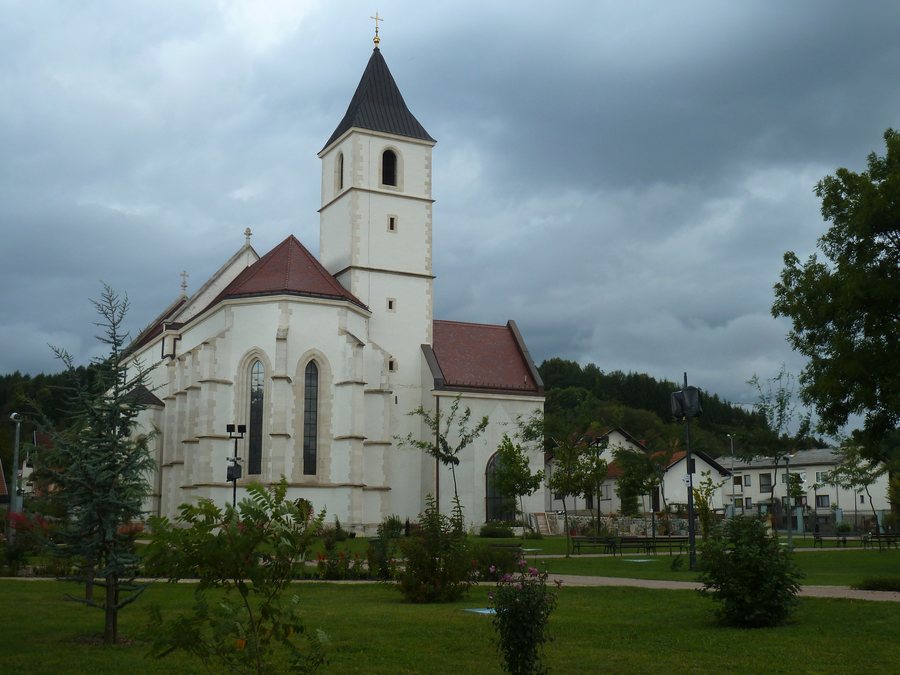
Key facts about Voćin Municipality
- Papuk Nature Park includes the municipality of Voćin.
- Voćin is one of the park’s three important northern entrances.
- Stari grad (Turski grad) is a medieval fortified urban complex.
- Gradina is a prehistoric hilltop settlement near Voćin.
- The Geo Info Centre Voćin presents the cultural, biological and geological past of Papuk in an interactive and multimedia exhibition.
What does its location in Papuk Nature Park mean?
Papuk Nature Park includes the municipality of Voćin; Voćin is also one of the park’s three important northern entrances. Papuk is therefore a defining point of reference for understanding the destination. Within the municipality, this connection to the nature park meets historical traces from different periods. This makes Voćin Municipality an interesting choice if you would like to include both nature and history in your trip.
What historic sites are there in Voćin?
Stari grad, also known as Turski grad, is a medieval fortified urban complex in Voćin. To help you find it, it lies west of the road leading from the Požega Valley to Voćin. The name Turski grad refers to the same complex as Stari grad.
Gradina, a prehistoric hilltop settlement near Voćin in the municipality, represents a different period. It had important strategic significance for the people of its time. The two sites offer different points of interest: Gradina represents an early settlement on a hill, while Stari grad is a medieval fortified complex.
What does the Geo Info Centre Voćin present?
The interactive multimedia exhibition covers the cultural, biological and geological past of Papuk. It engages several senses, including through scents from the Earth’s geological past, splashing water from the Pannonian Sea and the sounds of animals from the former Pannonian island of Papuk.
Papuk’s glassmakers are also featured: visitors can learn who they were. Together with the exhibition’s other themes, this offers an approach that goes beyond geology to include cultural and biological aspects of Papuk’s past.
How can you choose the focus of your accommodation search?
This lets you tailor your search to your travel interests before comparing hotel options with your personal requirements.
What else does Virovitica-Podravina offer?
The wider destination of Virovitica-Podravina offers other attractions. Jankovac is a protected forest park with two lakes and a habitat for numerous birds, butterflies and wild animals. A cultural highlight is the Gradski muzej Virovitica, housed in the renovated Dvorac Pejačević, a castle built by the Pejačević family in the 19th century. The permanent exhibition covers two thematic areas, is largely interactive and features more than 1,500 exhibits and over two hours of multimedia content.
Discover more destinations: Čačinci Municipality, Suhopolje, Orahovica Municipality, Pitomača Municipality, Lukač Municipality, Gradina Municipality and Čađavica Municipality.
FAQ
Is Voćin Municipality in Papuk Nature Park?
Yes. Papuk Nature Park includes the municipality of Voćin. Voćin is also one of the park’s three important northern entrances.
Which periods do Stari grad and Gradina represent?
Gradina is a prehistoric hilltop settlement that held strategic significance for the people of its time. Stari grad (Turski grad) is a medieval fortified urban complex.
What topics does the Geo Info Centre Voćin cover?
The interactive multimedia exhibition covers the cultural, biological and geological past of Papuk. It also features Papuk’s glassmakers and brings the content to life with scents, splashing water and animal sounds.
For the wider travel overview: Virovitica-Podravina.

