
Discover Kecskemét: Art Nouveau, city history and hotels
Accommodation in Kecskemét
If you are weighing up architecture and culture for a city break, you can get a sense of Kecskemét through three very different places: Cifrapalota, Városháza and Nagytemplom. The city also offers exhibitions and a collection where visitors can make instruments ring out for themselves.
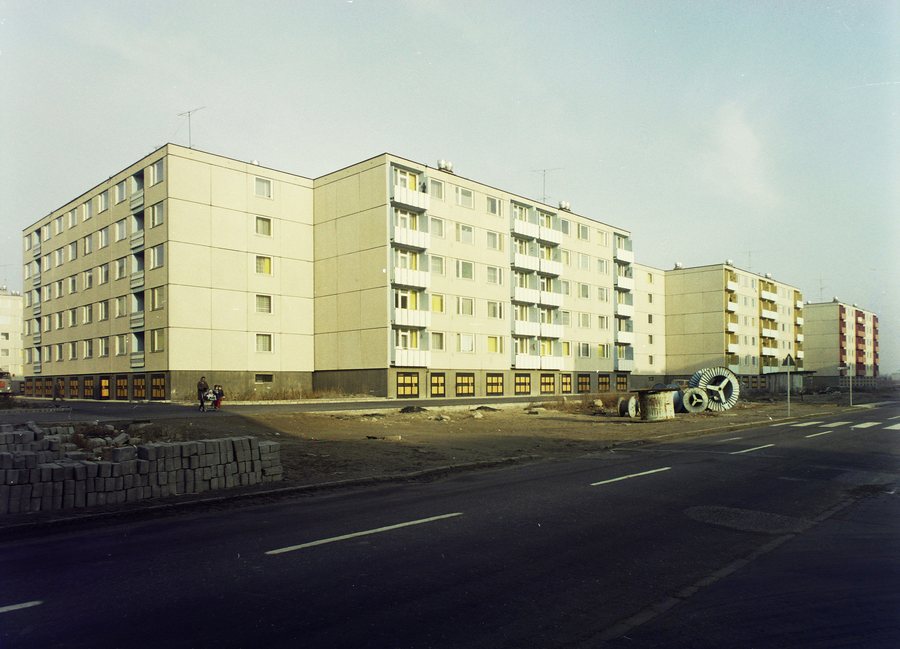 File:Kecskemét 1976, Akadémia körút. Fortepan 9650.jpg
Photo: FOTO:Fortepan — ID 4829 : Adományozó/Donor: Kádas Tibor. archive copy at the Wayback Machine via Source, CC BY-SA 3.0
Kecskemét facts at a glance
- Cifrapalota is a Hungarian Secession building and an exhibition venue for the Kecskeméti Katona József Museum.
- Városháza was built between 1893 and 1897 to designs by Lechner Ödön and Pártos Gyula.
- Nagytemplom was elevated to the status of a co-cathedral in 1993.
What do Cifrapalota and Városháza tell us?
Cifrapalota brings architecture and a museum together: the building is an example of the Hungarian Secession and currently serves as an exhibition venue for the Kecskeméti Katona József Museum. Alongside temporary exhibitions, it houses permanent historical, archaeological and ethnographic exhibitions. The Kunbábony Avar treasure, consisting of 155 gold objects, can also be seen here. The building thus puts both architecture and different perspectives on history at the heart of the experience.
Városháza was built between 1893 and 1897 to the designs of Lechner Ödön and Pártos Gyula. Its façade features a carillon, commissioned in 1983 for the 100th birthday of Kodály Zoltán, which has rung out every hour of the day ever since. In the town hall's visitor centre, the exhibition “Kecskemét, hirös város” traces the city's history from the Middle Ages to the present day. The building's history, a recurring musical feature and a chronological account of the city offer different ways to engage with Kecskemét during a cultural stay.
What cultural themes go beyond architecture?
The Roman Catholic Nagytemplom was elevated to the status of a co-cathedral in 1993 by a decision of Pope John Paul II. It is the largest church in Kiskunság and was built in the Copf style, a late Baroque style influenced by Classicism. It also served as a model for the construction of numerous churches in various towns. These details place the building in both an architectural and a regional context.
The Leskowsky Hangszergyűjtemény offers a different kind of experience: visitors can pick up string, wind and percussion instruments from five continents and make them sound. Kecskemét therefore offers a range of cultural interests side by side: historical exhibitions, architecture and a collection where trying out the instruments is part of the experience.
What other topics does the wider destination of Bács-Kiskun offer?
The wider destination of Bács-Kiskun also offers archaeological, textile and natural history attractions. The Tiszaalpár, Földvár educational trail presents the history of the Bronze Age fortification and the way of life of the people of that time. Tiszaalpári Földvár is a specially protected archaeological site; its designation was made under Regulation 3/2003. (I. 25.) NKÖM. A reconstruction of an Árpád-era village in Tiszaalpár depicts the settlement layout discovered during local excavations.
At the Kiskunhalasi Csipkeház and Csipkemúzeum, visitors can learn about the history of Halas lace, which began in 1902, see historical lacework and watch the lace-embroidery process. The Boróka educational trail in Bugac offers a different focus: it is 1,100 metres long and combines information panels with interactive features, including a forest xylophone and a play telescope. These examples broaden the picture of the city with distinctive attractions elsewhere in the wider destination of Bács-Kiskun.
Discover more destinations: Orgovány, Kerekegyháza, Ballószög, Lakitelek, Fülöpháza, Ágasegyháza and Felsőlajos.
FAQ
What exhibitions are on at Cifrapalota?
Alongside temporary exhibitions, it houses permanent historical, archaeological and ethnographic exhibitions. The Kunbábony Avar treasure, consisting of 155 gold objects, can also be seen there.
What period does the exhibition at the town hall cover?
The exhibition “Kecskemét, hirös város” traces the history of Kecskemét from the Middle Ages to the present day.
What can visitors do at the Leskowsky Hangszergyűjtemény?
They can pick up string, wind and percussion instruments from five continents and make them sound for themselves.
Go to the overview of the wider destination: Kecskeméti.
More about the destination
Useful information for planning your trip:

