
Discover Bugac
Accommodation in Bugac
Bugac combines insights into the Puszta with a short nature trail and places where the landscape and shepherd life take center stage. When planning your trip, you can weigh up whether nature, culture, or both should shape your stay.
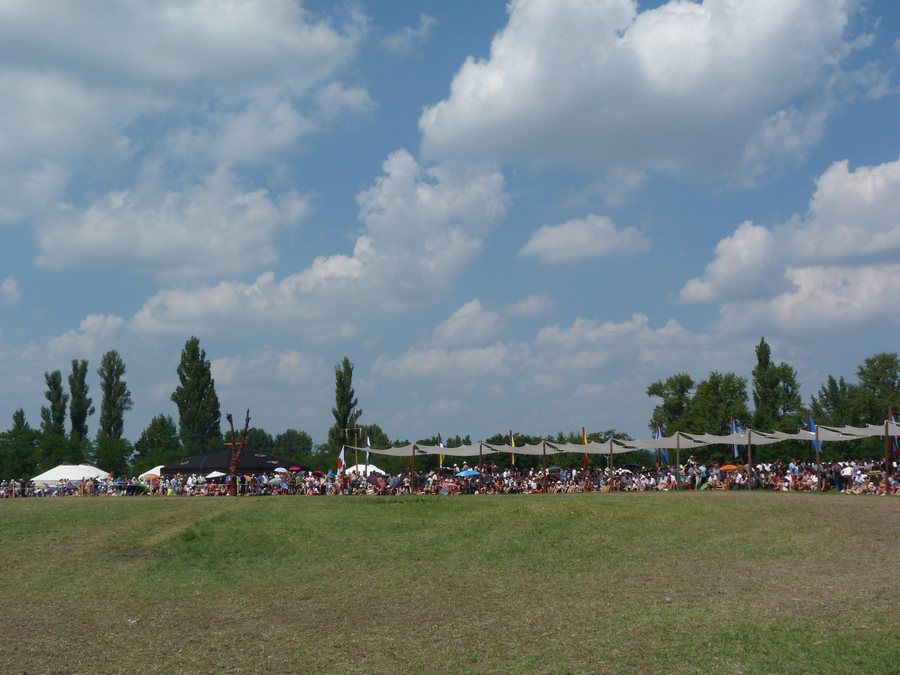 Kurultáj - Magyar Törzsi Gyűlés, Bugac, 2014.08.09 (10)
Photo: Derzsi Elekes Andor via Wikimedia Commons, CC BY-SA 4.0
Kurultáj - Magyar Törzsi Gyűlés, Bugac, 2014.08.09 (10)
Photo: Derzsi Elekes Andor via Wikimedia Commons, CC BY-SA 4.0
Bugac at a glance
- The Puszta Kapuja Információs Központ is located in Bugac, opposite the Karikás Csárda.
- Its two interactive exhibitions are called “Bugaci buckák között” and “Pásztorélet.”
- The Boróka tanösvény is 1,100 meters long; a short section passes small rises and white poplar dunes.
- The Pásztormúzeum presents the world of shepherds and the Bugac Puszta.
What nature and cultural experiences are there in Bugac?
At the Puszta Kapuja Információs Központ, the “Bugaci buckák között” exhibition explores the wildlife and ecosystems of the Puszta. “Pásztorélet” depicts the former world of shepherds. Other topics covered by the center include characteristic animal and plant species of the sandy grasslands, the history and transformation of the landscape, and the everyday lives of the people who once lived there.
The history of nature conservation also provides context: the center explains why the local sandy areas were placed under nature protection and included in the Natura 2000 network. In the garden, you will find an insect hotel and several games, including an ecological board game. These add an opportunity to explore nature-related topics to your visit.
What does the Boróka tanösvény offer?
The 1,100-meter-long Boróka tanösvény combines information with activity stations. These include a forest xylophone and a play telescope. Along a short section, you will also encounter small rises and dunes covered with white poplars. One branch of the nature trail forms part of a marked hiking route; signs there provide information about trees and the birdlife of dry sandy forests.
These details offer different points of reference for planning: the length gives you a concrete guide to the nature trail, while the stations and signs indicate which nature topics you will encounter along the way. The landscape, plant life, and birdlife each provide a different focus, rather than presenting just one perspective on the Puszta.
How are shepherd life and history presented?
The dioramas at the Pásztormúzeum cover the history and tools of extensive livestock farming, the everyday lives of shepherds, and shepherd art. They also depict the animal and plant life of the Bugac Puszta and the sandy forests. The museum stands alone in the Puszta, is considered a valuable architectural monument, and reflects architectural trends of the 1970s.
The monasteries of Péter and Pál are also part of the history of present-day Bugac: they stood in the area of today’s settlement, but little about them has been preserved in documents. The historical overview is therefore brief; the exhibitions and dioramas on the landscape and shepherd life offer a more detailed way to explore these topics.
What other cultural topics are there in the wider destination of Bács-Kiskun?
The wider destination of Bács-Kiskun has other distinct cultural themes. In Tiszaalpár, the Földvár nature trail explores the history of a Bronze Age fortification and the way of life of people in that period. Tiszaalpári Földvár is a specially protected archaeological site; its designation was made under Decree 3/2003. (I. 25.) NKÖM.
Another focus is Halas lace: at the Kiskunhalasi Csipkeház és Csipkemúzeum, visitors can learn about its history, which began in 1902, admire lacework, and watch the lace-embroidery process. These examples are part of the wider destination of Bács-Kiskun and are not features of Bugac itself.
How can you plan your accommodation search?
If you are considering making Bugac the focus of your trip, you can first decide which of the aspects described interests you most: the sandy landscape and its nature-related themes, the nature trail, or shepherd culture. Then tailor your hotel search to your own sightseeing plans and compare the locations of available options with the places you want to visit.
Discover more destinations: Fülöpjakab, Petőfiszállás, Pálmonostora, Tiszaalpár, Kunszállás.
FAQ
What exhibitions are at the Puszta Kapuja Információs Központ?
“Bugaci buckák között” covers the wildlife and ecosystems of the Puszta; “Pásztorélet” depicts the former world of shepherds. Both exhibitions are interactive.
How long is the Boróka tanösvény?
The nature trail is 1,100 meters long. Its activity stations include a forest xylophone and a play telescope.
What do the dioramas at the Pásztormúzeum show?
Among other things, they present the history and tools of extensive livestock farming, the everyday lives of shepherds, and the animal and plant life of the Bugac Puszta and the sandy forests.
For the wider travel overview: Kiskunfélegyházi.

.JPG)