
Pécs: Culture, City History and Zsolnay Heritage
Accommodation in Pécs
Pécs brings together art, architectural history and a variety of visitor experiences. When planning your trip, it is helpful to decide in advance what interests you most: ceramics, museums, historic buildings, theatre, or even animals? The city offers several distinct ways to explore these interests.
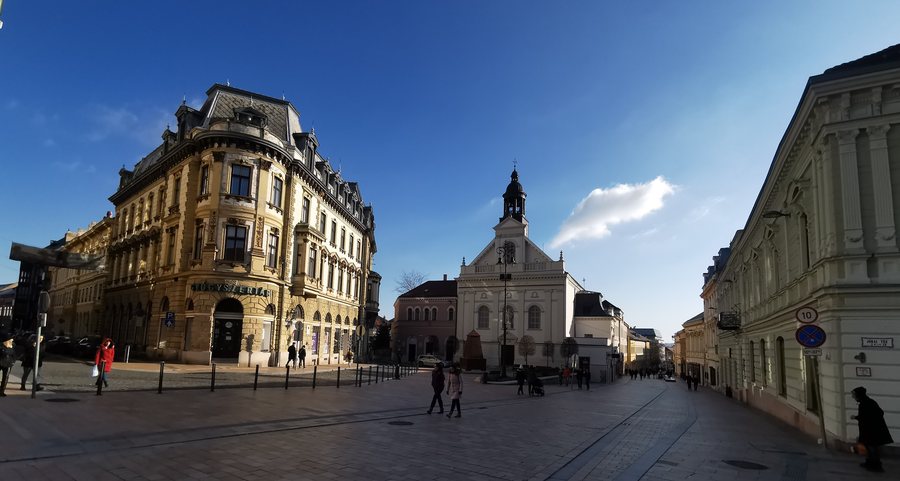
Pécs at a glance
The Zsolnay Cultural Quarter includes the restored site of the Zsolnay family’s former ceramics factory, 15 protected historic buildings and 88 public Zsolnay sculptures. The cathedral combines foundations dating from the 11th century with its present-day appearance, which dates from the late 19th century. Museums are devoted to the paintings of Tivadar Csontváry Kosztka and the Op Art of Győző Vasarely; Pécs also offers history, theatre, a zoo with an aquarium and terrarium, and champagne culture.
What art and culture can you discover in Pécs?
The Zsolnay Cultural Quarter preserves the heritage of the Zsolnay family on the restored site of their former ceramics factory. Its protected historic buildings and public sculptures shape the parks and promenades. With 15 historic buildings and 88 sculptures, both figures are useful points of reference for the scale of the complex. Visitors interested in architecture and applied arts will find a different focus here than in the painting museums.
At the Csontváry Museum, you can view paintings by Tivadar Csontváry Kosztka. The Vasarely Museum features a permanent exhibition by Op Art artist Győző Vasarely. The Dome Lapidary, in turn, displays significant sculptural works through stone carvings from the cathedral. These three stops offer different perspectives: painting, Op Art and sculptural works can each be considered separate interests for a cultural stay in Pécs.
What do the buildings tell us about the city’s history?
When considering the cathedral, keep two dates in mind: its foundations were laid in the 11th century, while its present-day appearance took shape in the late 19th century, based on a design by Frigyes Schmidt, also known as Friedrich von Schmidt. The building thus brings together early foundations and a much later history of design.
The Barbakan is a Gothic gate tower that served a defensive function as part of the bishop’s castle. Visitors interested in city fortifications and medieval architecture can consider it a distinct historical highlight. Széchenyi Square offers a different impression as a lively city-centre hub. Its attractions include the Mosque of Pasha Qasim, the Zsolnay Fountain and the bronze equestrian statue of János Hunyadi.
Which experiences suit different interests?
The Pécs Zoo and Aquarium-Terrarium covers four hectares and is home to 1,500 specimens representing 300 species. For travellers who want to include animals alongside art and architectural history, it is a distinct option. The figures for the area, specimens and species give an idea of what makes this attraction distinctive, without needing to equate it with the museums.
The Cella Septichora Visitor Centre contains six two-storey tombs: numbers 1, 2, 3, 4, 19 and 20. There are also two larger, single-room buildings, the Cella Septichora and Tomb No. 5. Visitors interested in historic burial sites will find a specific selection of different building types here. The Croatian Theatre of Pécs performs in Croatian and serves the cultural needs of Hungary’s Croatian minority. It welcomes everyone interested, and also stages Hungarian plays and related artistic performances.
Where can you experience champagne culture?
Champagne culture offers another way to explore the city: at the five-storey Littke Palace Pezsgőpince, visitors can learn about traditional champagne-making and taste champagne. This adds a culinary experience to the range of options, distinct from museum visits and historic buildings.
If you are considering other destinations, you can also find Abaliget, Kozármisleny, Orfű, Szalánta, Pellérd, Ócsárd and Regenye here.
FAQ
What can you see in the Zsolnay Cultural Quarter?
The quarter is located on the restored site of the Zsolnay family’s former ceramics factory. Its parks and promenades feature 15 protected historic buildings and 88 public Zsolnay sculptures.
What art is on display in Pécs’s museums?
The Csontváry Museum displays paintings by Tivadar Csontváry Kosztka. At the Vasarely Museum, you can see a permanent exhibition by Op Art artist Győző Vasarely.
What can you see at the Cella Septichora Visitor Centre?
On display are six two-storey tombs numbered 1, 2, 3, 4, 19 and 20, as well as the two larger, single-room buildings, the Cella Septichora and Tomb No. 5.
In which languages does the Croatian Theatre of Pécs perform?
The theatre performs in Croatian and also stages Hungarian plays and related artistic performances.
For the main travel overview: Pécsi.
More about the destination
Useful information for planning your trip:

.jpg)