
Somogyhárságy: Rectory, Bell Tower and Local History
Accommodation in Somogyhárságy
Explore Somogyhárságy through tangible evidence of its local history: a rectory built in 1779, a wooden bell tower with benches, and a statue of St. John of Nepomuk in the center. Zichy Castle, which is part of a park, adds to the local architecture. In the wider destination of Baranya, you can also discover archaeological sites, exhibitions, nature experiences and regional cuisine.
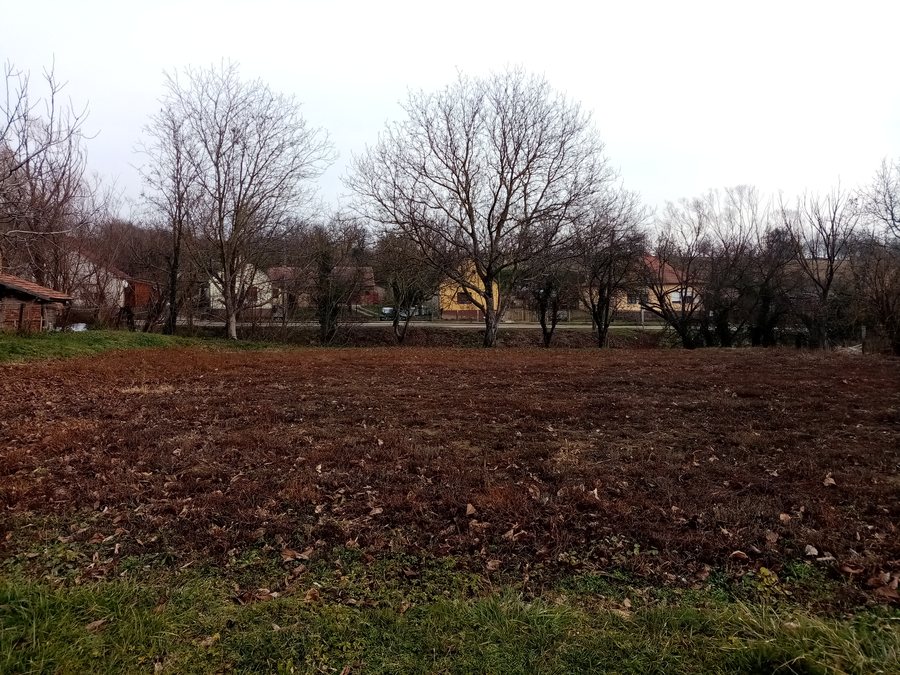
Somogyhárságy at a glance
- Count Lajos Tolnai Festetich had a rectory built in Somogyhárságy in 1779.
- There is a wooden bell tower in the village, with benches arranged around it.
- Zichy Castle was built in 1939 and is part of a park.
- In the center, at a crossroads on the west bank of the stream that flows through the village, stands a statue of St. John of Nepomuk.
Which buildings and local features define Somogyhárságy?
The rectory is associated with a named patron and the year 1779. Zichy Castle, meanwhile, was built in 1939. The two dates refer to different buildings and provide two distinct historical reference points. The castle is part of a park, linking its architecture with the surrounding landscape.
At the wooden bell tower, the arrangement of benches around the building catches the eye. The location of the statue of St. John of Nepomuk is described in more detail: it stands in the center, at a crossroads and on the west bank of the stream that flows through the village. These local features therefore differ not only in their construction, but also in whether a construction date, a connection to a park or a specific location in the village center is mentioned.
What cultural attractions does the wider destination of Baranya offer?
In Baranya, the Early Christian Necropolis of Sopianae in Pécs tells the story of 4th-century burial culture. It includes decorated tombs built as underground burial chambers with above-ground memorial chapels and adorned with richly detailed Christian wall paintings. The Zsolnay Cultural Quarter in Pécs offers a different focus: its exhibitions include “Golden Age of Zsolnay,” “Pink Exhibition” and an exhibition on the family and factory history.
The Zsolnay Cultural Quarter’s offerings for children include outdoor playgrounds, an interactive lab, a planetarium, the Bóbita Puppet Theatre, a ceramics painting workshop and classes at the Hercules Workshop. The freely accessible outdoor area can be entered and used free of charge during opening hours. As opening details may change, it is advisable to check the current hours before visiting.
What nature and cultural experiences are available in Baranya?
The Ős-Dráva Visitor Centre near Szaporca offers an interactive exhibition, a demonstration farm area where visitors can take part in practical farming, and three themed nature trails. These introduce visitors to traditional farming, the Ős-Dráva Programme and the wildlife along the Drava. The farming area features native Hungarian domestic animals, including Hungarian Grey cattle, Mangalica pigs, Hucul horses, and traditional sheep and poultry breeds.
The Wilderness Nature Trail by the Old Drava has a birdwatching and bird-ringing station, a lookout point, a photography hide, a covered activity area and several rest stops. Baranya thus offers a range of nature-related themes: wildlife along the Drava, birdwatching and traditional farming. You can take these different interests into account when planning your outings.
Siklós Castle is another cultural attraction in Baranya. It is one of Hungary’s best-preserved military complexes and also one of the country’s most significant Renaissance buildings. Modernization of the museum wing has opened the previously inaccessible Gothic section to visitors. In Nagyharsány, the “Art in Nature” program at the Sculpture Park includes a guided tour.
Baranya offers another highlight for wine and food: in Villány’s row of wine cellars, you can go from cellar to cellar year-round to sample wines and tasty dishes. This differs from the cultural and nature-related attractions in its direct focus on regional tastings.
Discover more destinations: Somogyapáti, Hobol, Ibafa, Nagysziget, Almamellék, Merenye, Magyarlukafa, Szulimán.
FAQ
Which historic buildings are mentioned in Somogyhárságy?
The rectory dates to 1779 and was commissioned by Count Lajos Tolnai Festetich. Zichy Castle was built in 1939 and is part of a park. There is also a wooden bell tower with benches arranged around it.
What does the Zsolnay Cultural Quarter offer children?
The attractions mentioned include outdoor playgrounds, an interactive lab, a planetarium, the Bóbita Puppet Theatre, a ceramics painting workshop and classes at the Hercules Workshop. The outdoor area is free to access during opening hours; check the current hours before your visit.
What are the nature trails at the Ős-Dráva Visitor Centre about?
The three nature trails introduce visitors to traditional farming, the Ős-Dráva Programme and the wildlife along the Drava.
What can you sample in Villány’s row of wine cellars?
There, you can go from cellar to cellar year-round to sample wines and tasty dishes.
For the wider travel overview: Szigetvári.

