
Battonya: Churches, Landscapes and Regional Culture
Accommodation in Battonya
Historic churches, a memorial house and the Gulyagyep grassland give Battonya a distinct cultural and landscape identity. When planning your trip, you can distinguish these local features from other natural and cultural attractions in the wider Békés destination.
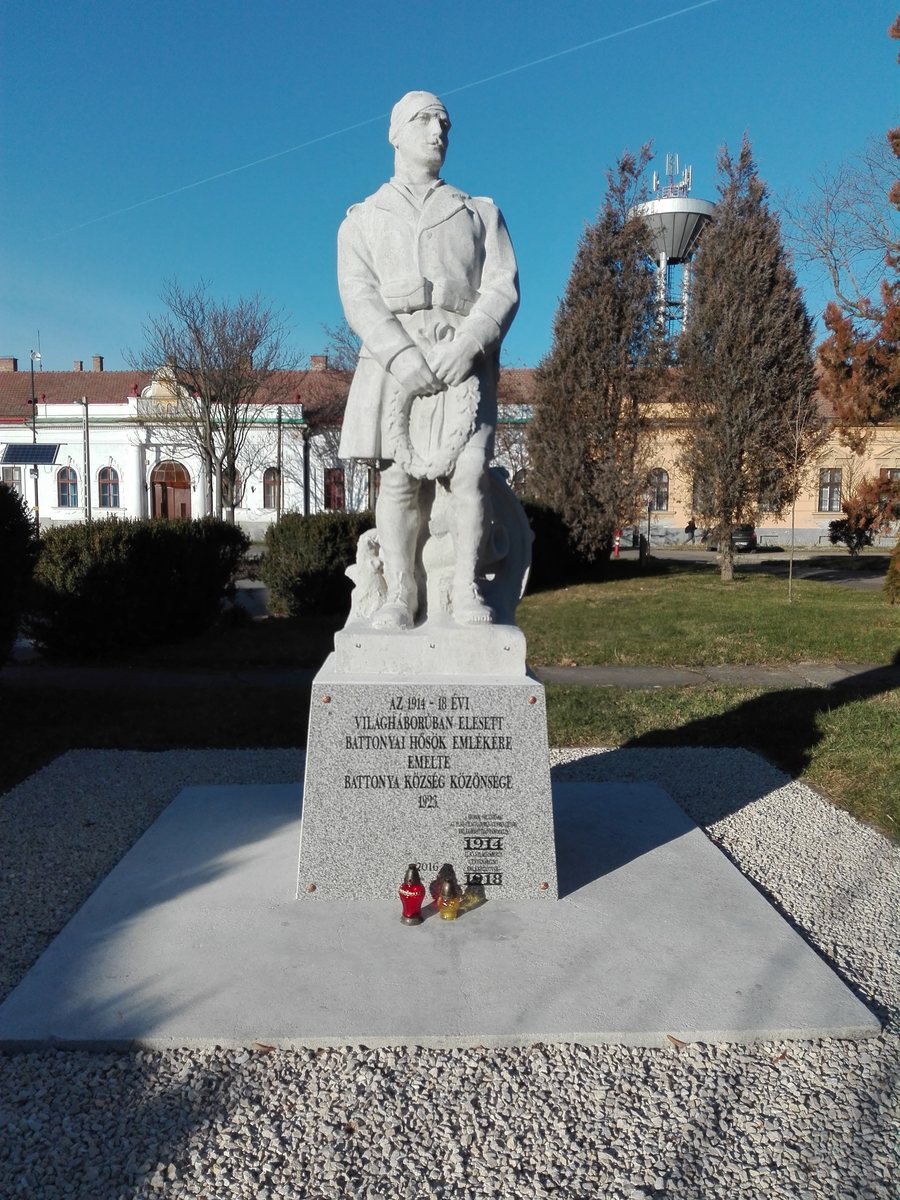 File:Battonya, Hősök szobra.jpg
Photo: Fodor Manó Helytörténeti Egyesület via Wikimedia Commons, CC BY-SA 4.0
File:Battonya, Hősök szobra.jpg
Photo: Fodor Manó Helytörténeti Egyesület via Wikimedia Commons, CC BY-SA 4.0
Battonya: Key Facts
- The 33-hectare Gulyagyep grassland lies north of the built-up area.
- Battonya’s first Catholic church was built in 1810 and consecrated in 1814.
- The Romanian Orthodox community decided to build its own church in 1868; it was built between 1869 and 1872.
- A memorial house with a permanent exhibition opened in 1984 in the birthplace of artist Molnár C. Pál.
What stories do the churches and memorial house tell?
The history of the first Catholic church can be traced to two dates: it was built in 1810 with the approval of Emperor Franz Joseph and consecrated in 1814 by László Kőszegi, Bishop of Csanád. The story of the Romanian Orthodox community is another part of the picture. Its decision to build its own church was made in 1868. Construction began the following year and was completed in 1872. The histories of these two buildings illustrate different stages in Battonya’s religious life.
Another cultural landmark is Molnár C. Pál, who was born in Battonya. A memorial house with a permanent exhibition, drawn from his estate, opened there in 1984. Together with the two churches, it offers an introduction to different aspects of local history and cultural heritage. If you are looking for hotels in Battonya, these local features can help you decide what interests you most about the town.
What landscapes shape the area around Battonya?
Gulyagyep lies north of the built-up area and covers 33 hectares of grassland. The nearby Tompapusztai loess-steppe meadow is located where the Cigányka-ér flows into the Száraz-ér. The two landscapes offer different points of interest: Gulyagyep stands out for its location on the edge of town and the size of its grassland, while the Tompapusztai loess-steppe meadow is notable for its distinctive landscape and the confluence of the two waterways.
What do pastries and customs reveal about Battonya?
The Serbian pastry Csesznyica is listed in Battonya’s register of values under tourism and hospitality. At a local history camp in Battonya, it was baked together according to its traditional recipe, with a lucky coin placed inside. Csesznyica is thus both classified as a Serbian pastry in Battonya’s tourism and hospitality category and associated with the specific custom of baking it together with a lucky coin.
What nature experiences are available in the wider Békés destination?
The Körösvölgyi Animal Park is located in Anna-liget in Szarvas, within the wider Békés destination. Its 26-hectare grove is crossed by a walking trail about two kilometres long, passing bird aviaries, animal houses, wetlands and spacious enclosures. The Jégmadár Water Nature Trail starts at the park’s jetty and follows a roughly one-kilometre stretch of the Szarvas–Békésszentandrás oxbow. Eight floating buoy stations introduce visitors to the oxbow and its flora and fauna. The trail is accessible only by canoe or boat and is intended primarily for canoeists and rowboaters without an expert guide.
The Sterbetz István Great Bustard Conservation Centre near Réhely, close to Dévaványa, offers a different kind of nature experience in the wider Békés destination: visitors can see great bustards up close. Guided tours, birdwatching, nature photography, themed programs and astronomy presentations are available on request. At Kardoskúti Fehértó, an internationally recognized wetland, two observation towers make it easier to watch the birds. The wetland has been protected under the Ramsar Convention since 1979. These regional nature attractions differ from the town-edge Gulyagyep grassland, ranging from wildlife watching and waterscapes to a protected wetland.
Which cultural attractions add to the picture of Békés?
In the wider Békés destination, the collection of the Munkácsy Mihály Museum in Békéscsaba includes natural history, archaeological, ethnographic, historical and art-historical objects. Gyula Castle offers a different perspective: built in the 15th century, it is now considered the only intact lowland brick castle in Central and Eastern Europe. For visitors comparing regional culture and nature, these attractions offer different themes alongside Battonya’s own church and local history.
Food culture is also part of what the wider Békés destination offers. CsabaPark is a gastronomic event centre that preserves, nurtures and presents the tradition of making Csabai sausage; it also hosts the Csabai Sausage Festival. Another recurring event is Bihari Táj Napja, held annually on the third weekend of May. Visitors can see wild orchids in the Ugrai Meadow, learn about the birdlife of the Biharugra fishponds on a guided tour, and attend other professional and cultural programs.
Discover more destinations: Nagybánhegyes, Mezőkovácsháza.
FAQ
Where is Gulyagyep?
The 33-hectare grassland lies north of Battonya’s built-up area.
When were the churches in Battonya built?
Battonya’s first Catholic church was built in 1810 and consecrated in 1814. The Romanian Orthodox community decided to build its own church in 1868; construction took place from 1869 to 1872.
What does the Körösvölgyi Animal Park offer in the wider Békés destination?
The park in Anna-liget in Szarvas is set in a 26-hectare grove. A walking trail about two kilometres long passes bird aviaries, animal houses, wetlands and spacious enclosures.
When is Bihari Táj Napja held?
Bihari Táj Napja is held every year on the third weekend of May. The program includes, among other things, orchid viewing in the Ugrai Meadow and guided birdwatching at the Biharugra fishponds.
Go to the wider travel overview: Mezőkovácsháza.

