
Kondoros: Csárda, Culture and Nature
Accommodation in Kondoros
The Kondorosi Csárda monument brings together several building phases and an interactive exhibition, alongside local collections, a lake, and events centered on Betyár traditions. These themes can help you weigh your interests when planning your trip.
Kondoros at a glance
- The Kondorosi Csárda was built around 1740 where eight roads met and rebuilt in the Baroque style in 1784.
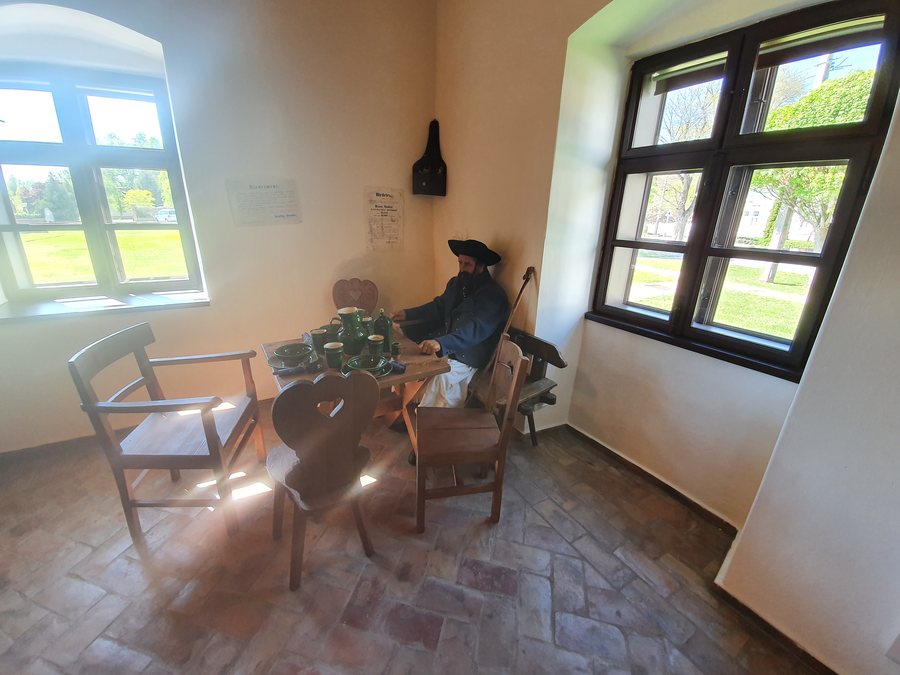
- An interactive exhibition in the Csárda presents the world of Csárdás and the era of the Betyárs.
- The Táj- és Alkotóház houses memorabilia and the collection of the Alföldi Vadásztársulat Alapítvány.
- The rainwater retention and boating lake on Iskola út was restored by August 2003; an artificial island in its center protects the local birdlife.
- In 2019, Kondorosi Gulyás received the right to use the HÍR trademark.
What does the Kondorosi Csárda tell us about the town?
The Kondorosi Csárda is a monument with a clear building history: it was built around 1740 where eight roads met and rebuilt in the Baroque style in 1784. It was later restored to its original condition and continues to serve its original function today. The monument’s early construction, Baroque reconstruction, and continuing function can thus all be seen in one place.
The interactive exhibition is also housed in the Csárda. It presents the world of Csárdás and the era of the Betyárs. The architecture and exhibition therefore offer different perspectives: the building’s history brings its development to life, while the exhibition explores cultural themes associated with Csárdás and Betyárs.
What collections can you find in Kondoros?
The Táj- és Alkotóház houses memorabilia of notable people born in Kondoros: Balczó András, Csernus Tibor, Ónodi Henrietta, and Kepenyes Pál. It also holds the collection of the Alföldi Vadásztársulat Alapítvány. This brings biographical memorabilia together with a collection belonging to a separate foundation.
For cultural insight, this offers a different perspective from the Csárda: there, monument history and an exhibition come together; at the Táj- és Alkotóház, the focus is on people connected to Kondoros and the foundation’s collection.
How are nature and local traditions reflected here?
Restoration of the rainwater retention and boating lake on Iskola út was completed by August 2003. An artificial island was created in the center to protect the area’s rich birdlife. This design combines a body of water with a specifically stated purpose of bird conservation.
The Betyár Napok draw on typical Betyár traditions of the Great Hungarian Plain. The event focuses on the history and legends of the Betyárs, as well as the region’s equestrian culture. If you would like to include the event in your travel plans, check the dates for the relevant year.
Kondorosi Gulyás is another documented culinary theme associated with the town. On October 3, 2019, the Magyar Nemzeti Értékek és Hungarikumok Szövetsége granted the dish the right to use the Hagyományok-Ízek-Régiók (HÍR) trademark. This award is a specific point of reference if you are interested in regional cuisine.
What nature experiences are available in the wider Békés destination?
The wider Békés destination offers a range of nature experiences, including the Körösvölgyi Animal Park in Szarvas. It is located in a 26-hectare woodland. A walking trail about two kilometers long passes bird aviaries, animal houses, wetlands, and spacious enclosures. Here, the focus is on exploring on foot.
The Jégmadár Water Nature Trail offers a different experience: it starts at the pier of the Körösvölgyi Animal Park and follows a one-kilometer stretch of the Szarvas–Békésszentandrás oxbow lake. Eight floating buoy stations provide information about the oxbow lake and its animal and plant life. The trail is accessible only by canoe or boat and is primarily intended for canoeists and rowboaters without an expert guide. For travel planning, the difference between the walking trail and the water route is key: both are in the wider Békés destination, but require different ways of getting around.
Discover more destinations: Szarvas, Békésszentandrás, and Gyomaendrőd.
FAQ
What does the interactive exhibition in the Kondorosi Csárda show?
It presents the world of Csárdás and the era of the Betyárs.
What collections does the Táj- és Alkotóház house?
It houses memorabilia of Balczó András, Csernus Tibor, Ónodi Henrietta, and Kepenyes Pál, as well as the collection of the Alföldi Vadásztársulat Alapítvány.
What themes do the Betyár Napok explore?
The event presents the history and legends of the Betyárs and the region’s equestrian culture, and draws on typical Betyár traditions of the Great Hungarian Plain.
See the wider travel overview: Szarvasi.

