
Dévaványa: Churches, Local History and Nature
Accommodation in Dévaványa
Dévaványa combines striking churches with exhibitions on local history and experiences in the surrounding countryside.
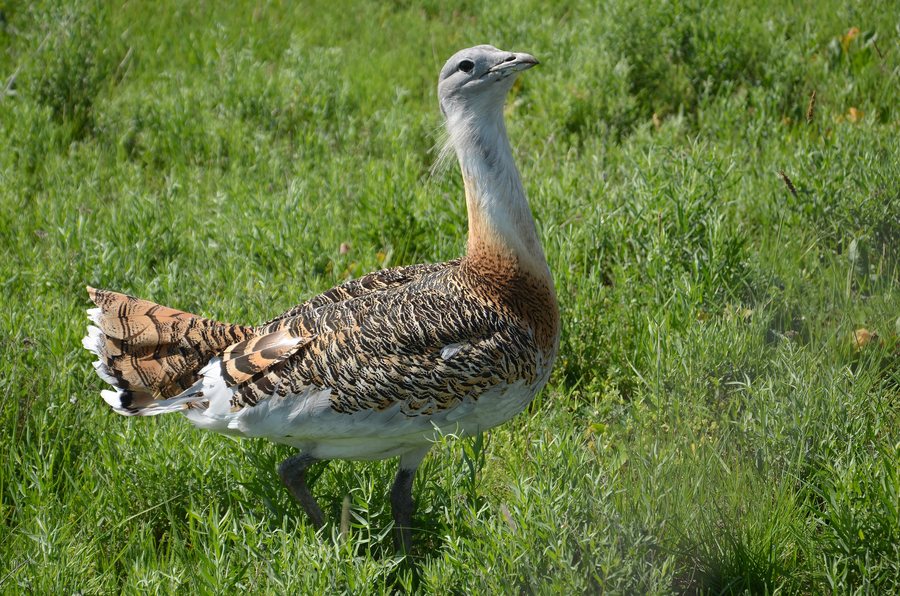 File:Dévaványa, Hungary – Great bustard 01.jpg
Photo: Pasztilla aka Attila Terbócs via Wikimedia Commons, CC BY-SA 4.0
File:Dévaványa, Hungary – Great bustard 01.jpg
Photo: Pasztilla aka Attila Terbócs via Wikimedia Commons, CC BY-SA 4.0
Key facts about Dévaványa for your accommodation search
- The Catholic church stands on the main square and was built in 1908 in a late Baroque, classicising style.
- The tower of the Reformed church is 63 metres high; its acoustics make church concerts possible.
- The local history museum combines ethnographic and archaeological exhibitions with a craft workshop.
- The farmers’ market is held on Tuesday, Friday and Sunday mornings.
What do the churches tell us about Dévaványa?
The Catholic church on the main square is a listed building. Its late Baroque, classicising style and the year it was built, 1908, give it a distinctive architectural character. The Reformed church offers a different focal point: its 63-metre-high tower belongs to a church considered one of the tallest in Tiszántúl. Its acoustics are also remarkable, making church concerts possible.
The two churches offer different points of interest for a visit: one showcases the architectural history of a single building, while the other draws attention to its tower’s height and the connection between the church interior and music.
What history and crafts does the museum showcase?
The permanent ethnographic exhibition “Ősök emléke kísért” explores the former way of life in Ványa. Its exhibits include made beds, an oven, a loom and kitchen utensils. Everyday household objects are thus at the centre of the display. The permanent archaeological exhibition of the DÁMK-Bereczki-Imre Local History Collection opened in 2006. It displays finds associated with the Körös, Alföld Linear Pottery, Tisza, Tiszapolgár and Pécel cultures.
The collection is based on materials gathered over 65 years by ethnographer and archaeologist Dr Imre Bereczki in archives, documentation collections and folklore collections. On 14 April 2000, these materials became a museum institution in Dévaványa. Visitors interested in both former ways of life and archaeological cultures can explore two different perspectives on history in one place.
At the museum’s craft workshop, children and adults can try activities including weaving, pottery on a wheel, felting, leatherwork and bead threading. Check before your visit whether the workshop activities will be available. These hands-on activities are quite different from visiting the exhibitions and can therefore be a focus of their own when planning your day.
What nature experiences are available nearby?
On the edge of Dévaványa is the Sterbetz István Bustard Conservation Visitor Centre. It has a museum and an area where native domestic animals and live great bustards are displayed. The centre also offers guided demonstrations in protected areas and along nature trails.
The recommended cycling route through the Dévaványa-Ecseg pusztas also offers a different perspective on the surrounding area. Along one section, cyclists may encounter pheasants, partridges, deer or hares. After two kilometres, the route reaches Csordajárás, a former village common. From there, it continues west and, after another kilometre, reaches the main road between Dévaványa and Kisújszállás via Kossuth Street. Encounters with wildlife are possible, but not guaranteed.
When can you visit the farmers’ market?
The farmers’ market in Dévaványa is held every week on Tuesday, Friday and Sunday mornings. If the market is important to your plans, check the market days locally shortly before your visit. Along with the churches and museum, it offers another local place to visit; its early hours can help you decide the order of your activities.
Discover more destinations: Szeghalom, Vésztő.
FAQ
Which churches define Dévaványa?
The Catholic church on the main square dates from 1908 and has a late Baroque, classicising style. The Reformed church is known for its 63-metre-high tower and acoustics.
What can you try in the museum workshop?
Activities include weaving, pottery on a wheel, felting, leatherwork and bead threading. Ask about current availability before your visit.
On which days is the farmers’ market held?
The weekly market is scheduled for Tuesday, Friday and Sunday mornings. Check the market days locally shortly before your visit.
What nature experiences are available near Dévaványa?
The Sterbetz István Bustard Conservation Visitor Centre, with a museum and an area for native domestic animals and live great bustards, is on the edge of town. Wildlife may also be encountered along one section of the recommended cycling route through the puszta.
Go to the higher-level travel overview: Szeghalom.

