
Discover Füzér: Castle, Culture and Hiking Trails
Accommodation in Füzér
Füzér brings together a castle visit, local history and routes through the town. For planning your trip, the combination of historical exhibitions, the National Blue Trail and a paved cycle path is especially interesting.
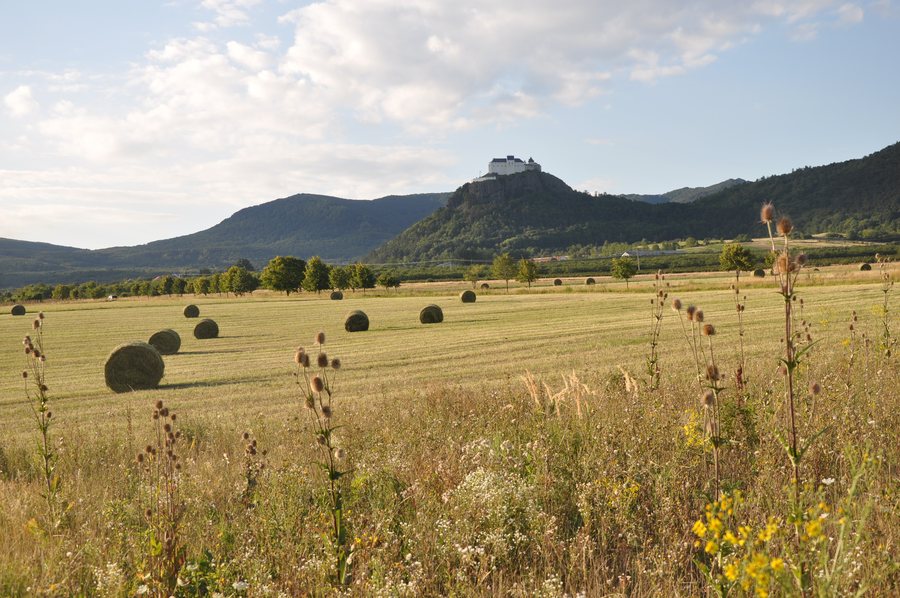
Füzér at a glance
At the centre is a Roman Catholic church dating from the 13th century. The National Blue Trail passes through Füzér at the foot of the castle. The entire castle grounds lie within a nature reserve. The visitor centre has a permanent exhibition; a country house, the House of the Past and the REG-ÉLŐ vár exhibition offer further insights.
What experiences shape a stay in Füzér?
The castle is an important point of interest for visitors interested in history and architecture. The route to the Upper Castle starts at the Lower Castle: after buying an admission ticket, you climb up via wooden and rock steps. This specific route is relevant when planning your day; it differs from a visit focused on the visitor centre’s exhibitions or the church in the town centre.
The entire castle grounds lie within a nature reserve. A visit to the castle therefore brings together two themes: the historic complex and its protected natural surroundings. The local stretch of the National Blue Trail runs along the foot of the castle. If you would like to include a hike in your trip, you can bear in mind that the trail passes through Füzér by this prominent landmark.
What can you discover at the castle and visitor centre?
The exhibition at the visitor centre shows how the layout of Füzér Castle changed across different periods. It uses short animated films, as well as games and videos on touchscreens. These formats also make the exhibition interesting for visitors who prefer to take in historical information through moving images and interactive elements. The permanent exhibition “World of Preserved Values” is also located in the visitor centre.
The REG-ÉLŐ vár exhibition takes a different approach: visitors can use and try out every piece of furniture on display. Compared with films, touchscreens or traditional viewing, it offers a distinctly hands-on encounter with the furniture. The country house, in turn, has been restored as a home to present Füzér’s rural building, domestic and tool-making culture. It complements the castle and exhibition themes with the town’s everyday culture.
How can you combine local history and trails?
The Roman Catholic church in the centre was built in the 13th century in the Romanesque style. During its restoration in 1998, Romanesque wall paintings and a Romanesque door were uncovered. The House of the Past takes visitors back to the period from the 1940s to the 1970s. Those wishing to compare different historical themes can therefore find both medieval connections and insights into more recent decades in Füzér.
Travelling by bicycle is another aspect to consider: a paved cycle path leads from Sátoraljaújhely to Füzér. This is a specific connection between the two towns, but no information is given about distance or travel time. The hiking trail and cycle path are different options; the available information does not describe them as a shared route.
If you would also like to explore other town profiles, you can also find Füzérkajata, Sátoraljaújhely, Vilyvitány, Nagyhuta, Vágáshuta, Hollóháza, Mikóháza and Bózsva.
FAQ
How do you get from the Lower Castle to the Upper Castle?
After buying an admission ticket, the route to the Upper Castle leads over wooden and rock steps.
Which hiking trail passes through Füzér?
The National Blue Trail passes through the town and runs along the foot of the castle.
What does the visitor centre exhibition show?
It presents the layout of Füzér Castle in different periods, including through short animated films, games and videos on touchscreens.
Is there a paved cycle path to Füzér?
Yes. A paved cycle path leads from Sátoraljaújhely to Füzér.
For the broader travel overview: Sátoraljaújhelyi.

