
Discover Szikszó: Churches, the Hernád and Wine-Growing History
Accommodation in Szikszó
Szikszó offers tangible points of interest for travelers interested in church architecture, local history and a walk by the river. The town can be explored through its buildings and the landscape along the Hernád.
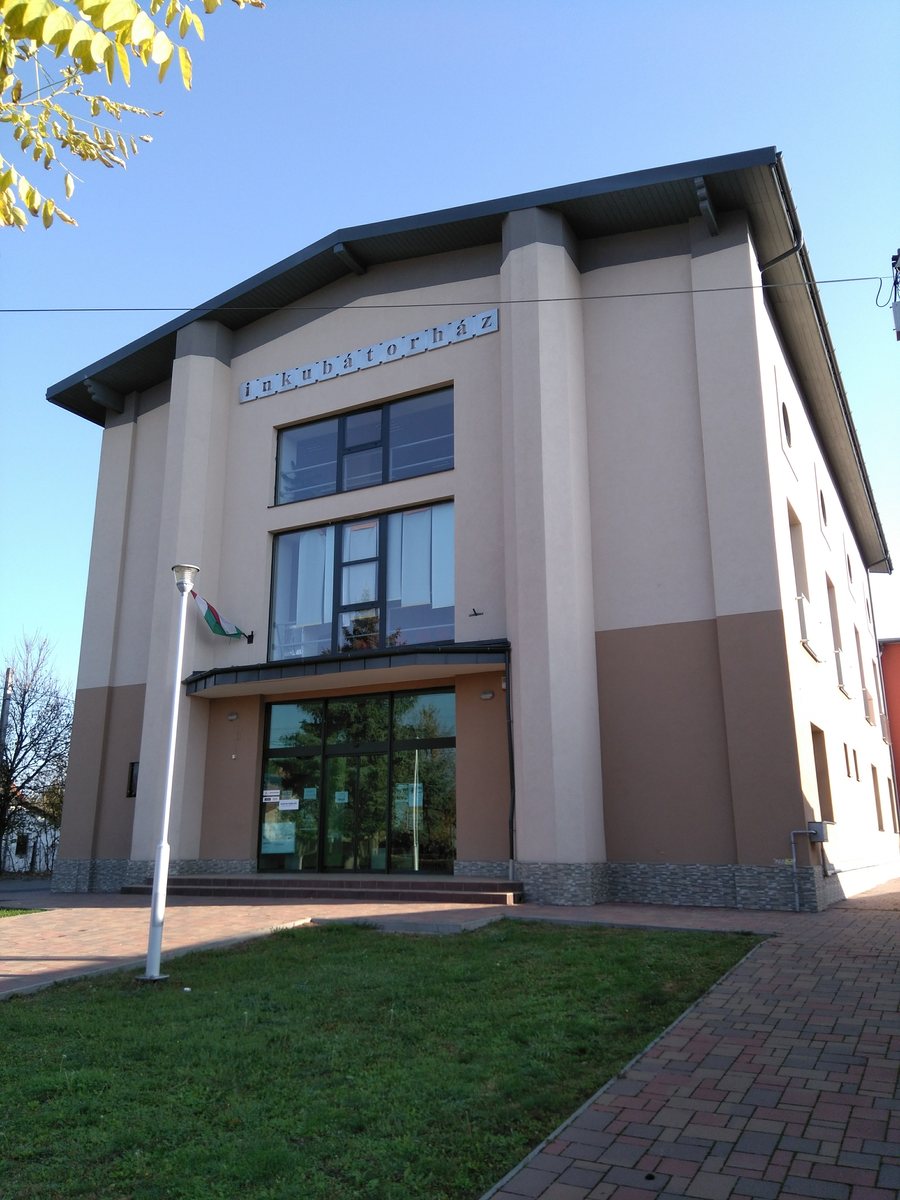
Szikszó at a glance
- In 1743, a wooden church still stood on the site of the Roman Catholic church; today, a stone church stands there.
- The Greek Catholic church is built in the Byzantine style, was designed by Bodonyi Csaba and has a three-part layout.
- The Hernád forms Szikszó’s eastern boundary; this stretch of river is completely unregulated and suitable for walking.
- Vineyards were already being cultivated in Szikszó in the late 13th century.
What architectural history do the churches reveal?
The Roman Catholic church can be understood through its predecessor: in 1743, a wooden church still stood on its site; today, a stone church stands there. The change in building material is a striking historical reference point for the town.
The Greek Catholic church offers a different architectural feature. It is built in the Byzantine style, follows the plans of Bodonyi Csaba and has a three-part layout. Visitors interested in church architecture will find several clearly specified features here that can be distinguished from one another.
What traces of history can be found?
A memorial plaque at the entrance to the former synagogue commemorates 629 victims. The building now serves a different purpose. The memorial site and the two churches point to different subjects: sacred architecture on the one hand, and remembrance of the victims on the other.
Wine-growing is also part of Szikszó’s history. Vineyards were already being cultivated here in the late 13th century. Records from the 18th century compared the quality of wine from Szikszó with that of Tokaj-Hegyalja. Together, these historical details show both an early wine-growing tradition and a recorded comparison of quality.
What can you do by the Hernád?
The Hernád forms Szikszó’s eastern boundary. The stretch of river described here is completely unregulated, and it is possible to walk along the Szikszó section. This offers a choice between architectural history and a riverside visit, for different interests. The walk is described as an activity by the river, not as a designated or measured hiking trail.
What else is there to experience in Borsod-Abaúj-Zemplén?
For broader travel planning in the wider destination of Borsod-Abaúj-Zemplén, there are other, independent points of interest. The Baradla-Domica cave system is part of the UNESCO World Heritage-listed Caves of the Aggtelek Karst and Slovak Karst. The short Aggtelek cave tour is one kilometer long, takes 60 minutes and is classified as easy. Its distance, duration and difficulty are therefore all specified.
Another nature experience is the Hucul herd on the pastures of Gergés-lápa, about 1.5 kilometers north of Jósvafő. It can be viewed there year-round; animal management regulations may change. At Miskolc Zoo and Culture Park, a nature trail leads to a nine-meter-high lookout tower and across a 32-meter-long suspension bridge. These examples offer different focuses: cave visits, wildlife watching and a nature trail with viewpoints.
Culture and landscape also shape the wider destination. Diósgyőr Castle flourished under King Louis the Great in the 14th century and later served as a residence and a wedding gift for six queens. In the Tokaj wine region, the climate, soil quality and slope exposure are suitable for growing grapes; the region is legally protected as a designated wine-growing area. This adds a distinct regional perspective to Szikszó’s historical connection to wine, without equating the histories of the places.
Discover more destinations: Hernádkércs.
FAQ
Which church in Szikszó had a wooden church as its predecessor?
In 1743, a wooden church still stood on the site of today’s Roman Catholic church. Today, a stone church stands there.
Where can you go for a walk in Szikszó?
You can walk along the Szikszó section of the Hernád. This stretch of river is completely unregulated.
How long does the short Aggtelek cave tour take?
The short tour is one kilometer long, takes 60 minutes and is classified as easy. It is part of the wider destination of Borsod-Abaúj-Zemplén.
To the wider travel overview: Szikszói.

