
Discover Tokaj: Wine, Museums and Waterways
Accommodation in Tokaj
Tokaj combines a distinctive location between a mountain and rivers with museums about the wine region and opportunities for water tours. During your stay, you can choose between culture, wine traditions, and experiences on the water.
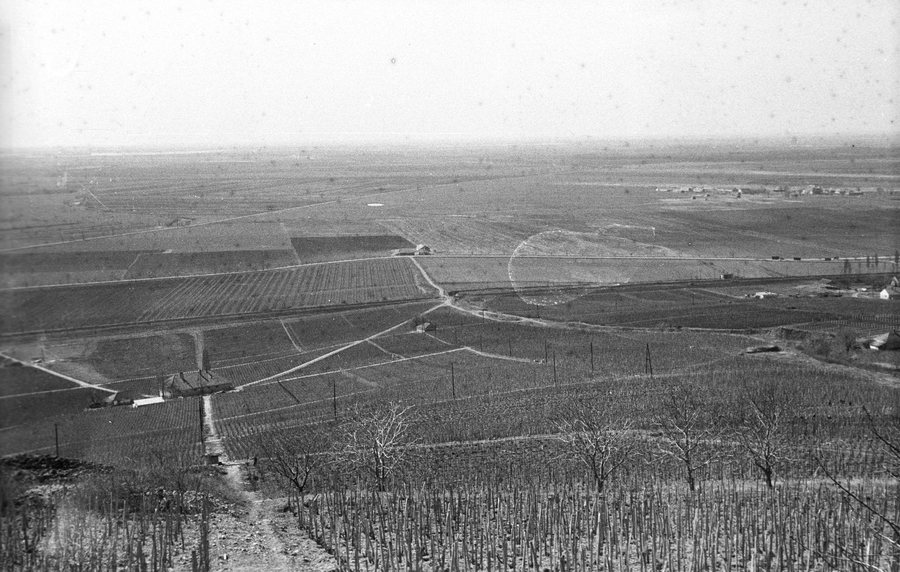 File:Tokaj 1965, Szőlőültetvény. Fortepan 46520.jpg
Photo: FOTO:Fortepan — ID 31368 : Adományozó/Donor: Mészáros Zoltán. archive copy at the Wayback Machine via Source, CC BY-SA 3.0
File:Tokaj 1965, Szőlőültetvény. Fortepan 46520.jpg
Photo: FOTO:Fortepan — ID 31368 : Adományozó/Donor: Mészáros Zoltán. archive copy at the Wayback Machine via Source, CC BY-SA 3.0
Tokaj at a glance
The town lies at the foot of Kopasz-tető, also called Tokaji-hegy on maps, which is 514 m high. Tokaj is situated between this mountain and the Tisza and Bodrog rivers. The World Heritage Wine Museum is located at the confluence of the two rivers. Other notable places to visit include the Tokaji Múzeum, the Rákóczi Cellar, and the Tokaji Vízitúra Központ.
What defines Tokaj’s location?
Its location between Kopasz-tető, the Tisza, and the Bodrog gives Tokaj a clear geographical character. The mountain is also called Tokaji-hegy; both names refer here to the same 514 m-high mountain. The rivers are not just part of the town’s setting: a base for canoeing and water tours is also located on the Bodrog. Tokaj therefore brings together different themes: the landscape around the town, the wine region, and activities on the water.
Which museums showcase Tokaj’s wine and regional history?
The Tokaji Múzeum is in the historic town center, a few steps from the main square, and presents Tokaj-Hegyalja across four exhibition levels. Its collection includes historical, ethnographic, and fine-art objects relating to Tokaj. Traditional winemaking equipment, cooperage tools, and items relating to wine storage and transport offer a vivid picture of wine and vine culture. The exhibits cover everything from work in the vineyards to activities involving barrels and the onward transport of wine.
The Világörökségi Bormúzeum, also known as the World Heritage Wine Museum, offers another focus. Its exhibition covers not only wine but also its production, the landscape, and its people. An exhibition area and museum are dedicated to European World Heritage wine regions, presenting their history, culture, and wines. If you would like to explore Tokaj not only through its own wine traditions but also in comparison with other European wine regions, this offers a suitable thematic perspective.
What can you expect at the Rákóczi Cellar?
Wine tastings are held in the Knights’ Hall of the Rákóczi Cellar in the center of Tokaj. This impressive hall is one of the largest underground cellars in the Tokaj wine region. The cellar was built at the beginning of the 15th century. Here, wine tasting meets historic cellar architecture. It complements museum visits with a distinct way to experience wine culture.
Which water tours can you plan?
The Tokaji Vízitúra Központ is a canoeing and water-tour base on the Bodrog, near the Fesztiválkatlan. It organizes tours and circular routes in the nearby waterscape and along the Bodrogzug water-tour routes. Tours start on the Tisza, the Bodrog, and in the Bodrogzug. The center offers boats and equipment for water tours, including paddles, life jackets, required equipment, and barrels. Guided tours and circular routes are also available. If you are planning a trip focused on water, this base gives you a practical option to consider when planning tours and equipment.
How can you choose the right focus for your stay?
The Tokaji Múzeum and the World Heritage Wine Museum explore different aspects of history, culture, and wine. The Rákóczi Cellar complements these museum exhibits with wine tastings in a historic cellar. Water tours, in turn, take you to the Tisza, the Bodrog, and the Bodrogzug. These options can help you decide what kind of stay you want before comparing suitable hotels in Tokaj.
If you would like to compare other destinations in this selection, you can also find Szegi, Erdőbénye, Tiszaladány, Tarcal and Bodrogkeresztúr.
FAQ
What topics does the Tokaji Múzeum cover?
It displays historical, ethnographic, and fine-art objects relating to Tokaj. These include items from winemaking and cooperage, as well as objects relating to wine storage and transport.
Which rivers are mentioned for the water tours?
Tours run on the Tisza and the Bodrog, as well as in the Bodrogzug. The Tokaji Vízitúra Központ also organizes guided tours and circular routes.
When was the Rákóczi Cellar built?
The Rákóczi Cellar was built at the beginning of the 15th century. Wine tastings are held in the Knights’ Hall.
For the main travel overview: Tokaji.
More about the destination
Useful information for planning your trip:

