
Baks: Discover Nature and History
Accommodation in Baks
Baks brings together the landscape of the Baksi puszta, remarkable birdlife and traces of the past. If you are weighing nature and culture when planning your trip, the protected habitats and local historical evidence offer concrete points of reference.
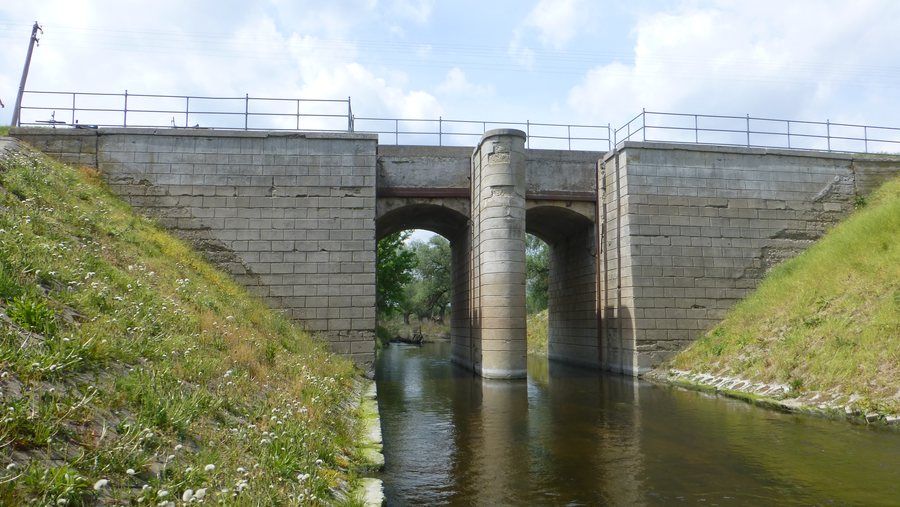
Baks at a glance
- The Baksi puszta covers more than 400 hectares and lies in the outskirts of Baks, Csanytelek, Ópusztaszer, Pusztaszer and Tömörkény.
- Part of the puszta is a wetland of international importance under the Ramsar Convention and an important stopover for migratory birds.
- Regularly occurring bird species include black-winged stilts, pied avocets, black-tailed godwits and ferruginous ducks.
What makes the Baksi puszta distinctive?
The Baksi puszta is more than a single type of wetland: it preserves undisturbed, well-conserved saline and loess grasslands, smaller salt marshes, reed beds and scattered groups of trees. These varied habitats give the area its landscape character and are also linked to its importance for birds.
To understand the area, it is worth distinguishing between a stopover site and a breeding or feeding area. The puszta is an extremely important stop for migratory birds; birds also use it as a significant breeding and feeding area. Regularly occurring species include ferruginous ducks as well as waders. This means Baks’s natural appeal is not limited to a single season, but reflects the habitat’s different roles.
Which bird species are typical in each season?
In spring, large flocks are formed mainly by waders. Black-tailed godwits and sandpipers are particularly characteristic at this time; in autumn, wild geese and cranes are typical. This seasonal change is a useful guide when considering which nature-related interests might draw you to the area. It distinguishes the birdlife of spring from the character of autumn without implying that both seasons offer the same wildlife-watching experience.
Regularly occurring black-winged stilts, pied avocets and ferruginous ducks add to this picture. Together with the information about stopovers, breeding and feeding, they give a more nuanced impression of why the Baksi puszta is important for birds. Those interested in habitats can also consider the saline and loess grasslands, marshes and reed beds as different aspects of the same area.
What cultural history is associated with Baks?
Alongside its landscape, Baks has historical and architectural points of interest. At Temetőpart, in the southern part of the Baks area, people associated with the Gáva culture carried out significant metalworking. This places the site within a cultural history distinct from the natural features of the Baksi puszta.
The Jézus Szíve Római Katolikus Templom also offers a distinctive perspective on design: it was designed in a style intended to make it appear as if it had been built a hundred years earlier. This describes a design intention, not the church’s actual age. Those planning a trip around both nature and culture will find two distinct themes that characterize Baks.
How does Baks fit into wider travel plans?
Across the wider destination of Csongrád, the Tisza and its oxbow lakes, the Maros and Körös rivers, and numerous lakes and canals shape the landscape of Csongrád-Csanád. Thermal and medicinal waters are also a regional feature. This describes the wider region; the Baksi puszta is the specific natural attraction associated with Baks.
To compare other destinations, you can also visit Balástya, Pusztaszer, Ópusztaszer and Kistelek. These names offer more destinations to consider when planning your trip, without replacing the nature and culture themes of Baks. When looking for accommodation, you can choose Baks as a destination based on the themes that matter to you, then search for suitable hotels.
FAQ
How large is the Baksi puszta?
The Baksi puszta covers more than 400 hectares. It lies in the outskirts of Baks, Csanytelek, Ópusztaszer, Pusztaszer and Tömörkény.
Which birds are regularly found in the Baksi puszta?
Regularly occurring species include black-winged stilts, pied avocets, black-tailed godwits and ferruginous ducks. In spring, large flocks are formed mainly by waders, including black-tailed godwits and sandpipers; in autumn, wild geese and cranes are typical.
What is special about the church in Baks?
The Jézus Szíve Római Katolikus Templom was designed in a style intended to make it look like a building a hundred years older. This refers to the design concept, not its actual age.
What historical traces can be found in Baks?
At Temetőpart, in the southern part of the Baks area, people associated with the Gáva culture carried out significant metalworking.
For the wider travel overview: Kisteleki.

