
Makó: Architecture, City History and Onion Culture
Accommodation in Makó
Makó combines a guided tour of architecture and city history with museums, an onion festival and activities along the Maros River. This lets you distinguish between cultural history, the annual event date and riverside activities when planning your trip.
Makó at a glance
- The Makovecz Tour is a guided walking tour of the city centre and can be done on foot, by bicycle or by horse-drawn carriage.
- Since 1950, the József Attila Museum has collected and presented the history and memorabilia of the city and its surroundings.
- The International Onion Festival takes place every year over three days on the second weekend of September; it has been held since 1991.
- Along the Maros River, there is a hiking trail heading towards Apátfalva, among other attractions. The riverbank is easily accessible from central Makó by car or bicycle.
What does the Makovecz Tour showcase?
The guided Makovecz Tour takes you on a city-centre walk through Makó. It focuses on the city’s history as well as buildings and public spaces designed by Kossuth Prize laureate Imre Makovecz and his students. You can do the tour on foot, by bicycle or by horse-drawn carriage. Check the tour’s current availability in advance.
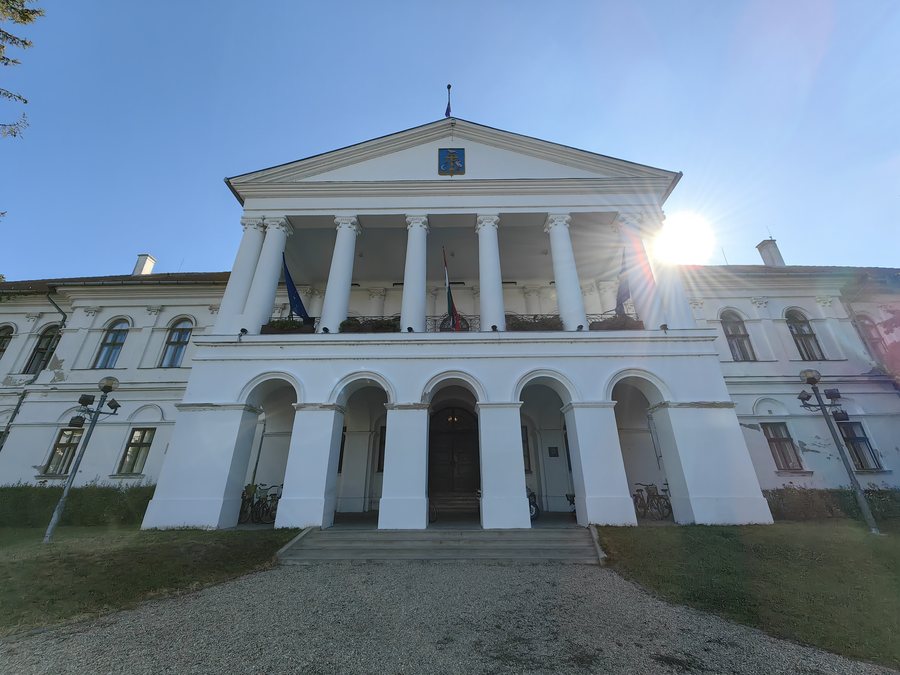
The Hagymatikum is also of interest to architecture enthusiasts: it is considered an important work of organic architecture in Hungary. Its distinctive interior and roof structure is described as a work of art. The bishop’s residence and chapel in Makó, which can be seen today, were built by Bishop László Köszeghy in 1826.
Which museums and exhibitions tell the story of Makó?
The József Attila Museum in the city centre has collected and presented the history and memorabilia of the city and its surroundings since 1950. Its Hagymásház houses a permanent exhibition on onion cultivation. This brings the city’s history together with a specific agricultural topic.
The Espersit House, a Neoclassical residence built in 1898, displays contemporary manuscripts, books, photographs and furnishings. It also provides information about the poetic career of Attila József. Check current public access before your visit.
A visitor centre established in 2020 in a building belonging to the synagogue explains the history of Makó’s Jewish community. Here, too, it is advisable to check current access before your visit.
A centre run by the Maros-Bank Vintage Vehicle Enthusiasts Sports Association displays members’ vintage motorcycles as well as an exhibition about József Galamb. The centre opened in March 2024; exhibits may change. The Onion House is Makó’s cultural centre and also includes a theatre. Check with the venue to see what is currently on offer.
When does the Onion Festival take place?
Makó’s International Onion Festival is an annual, three-day event held on the second weekend of September; it has been organised since 1991. The city’s twin towns are also represented at the festival. When planning your trip, check current event announcements for dates.
You can encounter the onion theme both in the permanent exhibition at Hagymásház and at the festival. The exhibition focuses on onion cultivation, while the festival adds an annual event to the cultural experience.
What does the Maros River offer?
Tourist attractions along the Maros River in Makó include the Lombkorona-sétány, the attractions of Maros Kalandpart and a hiking trail towards Apátfalva. The riverbank is easily accessible from central Makó by car or bicycle. Check the current conditions for each attraction before your visit.
If you’d like to discover more destinations, you can also visit Kiszombor.
FAQ
How can you do the Makovecz Tour?
The guided tour can be done on foot, by bicycle or by horse-drawn carriage. Check its current availability in advance.
When does the International Onion Festival take place?
The three-day event takes place every year on the second weekend of September and has been held since 1991. Check current announcements for dates.
What can you do along the Maros River?
Attractions include the Lombkorona-sétány, the attractions of Maros Kalandpart and a hiking trail towards Apátfalva. The riverbank is easily accessible from central Makó by car or bicycle.
For the main travel overview: Makói.

