
Discover Seregélyes
Accommodation in Seregélyes
Explore Seregélyes through its cultural history and landscapes. Topics include a castle with neoclassical features, traditional folk architecture, the history of church construction and diverse landscape forms. If you are looking for a hotel in Seregélyes, this overview can help you assess the town in light of your own travel interests.
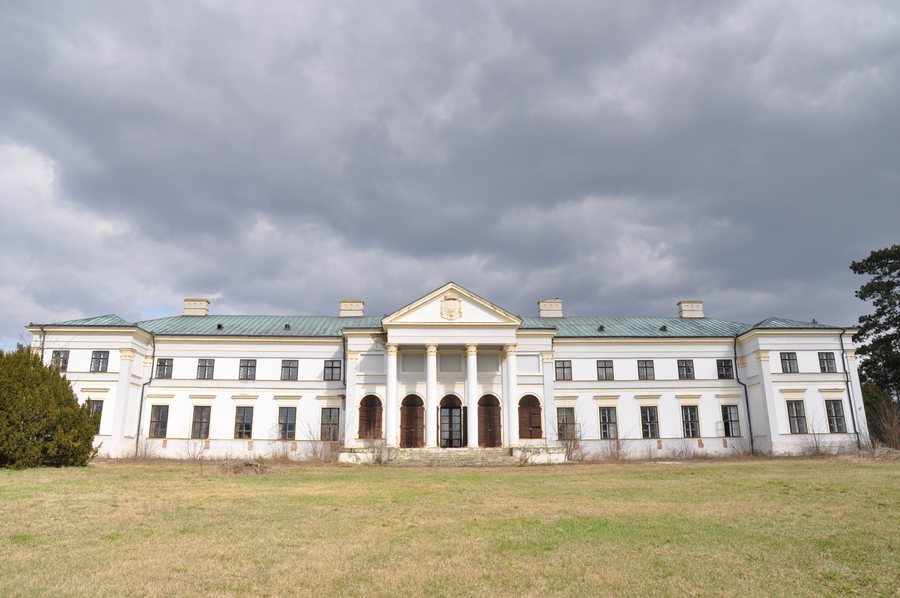 File:Seregélyes, Zichy–Hadik-kastély, 10.jpg
Photo: Random photos 1989 via Wikimedia Commons, CC BY-SA 4.0
File:Seregélyes, Zichy–Hadik-kastély, 10.jpg
Photo: Random photos 1989 via Wikimedia Commons, CC BY-SA 4.0
Seregélyes at a glance
- The Zichy family had a castle built in the village park in 1821.
- The Tájház on Fő utca reflects traditional folk architecture and displays only original pieces.
- The Reformed Church was built in 1735 and remodelled in 1792; the Catholic Church was built between 1801 and 1803.
- The landscape includes a loess ridge extending as far as Paks, the Háromág-völgy and the area of a former branch of Lake Velence.
What cultural themes shape Seregélyes?
The castle in the village park was built by the Zichy family with neoclassical features. The Tájház on Fő utca offers a different architectural point of reference: it reflects the simplicity of traditional folk architecture. These different building styles therefore stand alongside one another as cultural themes, without needing to be grouped under a single style.
The exhibition at the Tájház has its own focus, too. It is devoted to folk art and displays only original pieces. Those interested in folk art can thus explore the area’s cultural history from a different perspective than through the castle’s neoclassical features. A local recommendation lists the Tájház, the Catholic Church and the Reformed Church as places for visitors to see.
What do the churches and notable figures tell us about the town?
The Reformed Church was built in 1735 and remodelled in 1792. The Catholic Church was built between 1801 and 1803. If you are interested in historic architecture, you can trace this difference through the dates.
The town’s history also includes Zichy Géza, a pianist who was friends with Liszt Ferenc. After losing his right arm, he played the piano with his left hand. Zichy Géza is laid to rest in the grófi temető in Seregélyes. This biographical story adds a personal connection to the Zichy family alongside the architectural themes.
What landscapes and nature are there to explore?
The landscape encompasses several distinct forms. A loess ridge extends as far as Paks, while the Háromág-völgy was formed by tectonic activity. The area of a former branch of Lake Velence is another feature.
The Kastélypark offers opportunities to observe rare living species. Alongside architecture, churches and folk art, landscapes and nature observation are also interests in their own right. You can assess Seregélyes according to whether you want to focus on cultural history, nature or both.
FAQ
Which cultural sites are recommended for visitors?
The Tájház, the Catholic Church and the Reformed Church are recommended places to visit.
When were the churches built?
The Reformed Church was built in 1735 and remodelled in 1792. The Catholic Church was built between 1801 and 1803.
What characterises the landscape of Seregélyes?
It includes a loess ridge extending as far as Paks, the tectonically formed Háromág-völgy and the area of a former branch of Lake Velence.
For the broader travel overview: Abai.

