
Nagyrév – Tisza Nature and History
Accommodation in Nagyrév
Nagyrév combines a distinctive local history with nature along the Tisza. The Tatár-árok runs through the village, the annual Tisza mayfly bloom can be seen here in all its glory, and three burial mounds lie in the surrounding area. These specific features offer an initial guide as you consider Nagyrév as a destination and look for hotels for your stay.
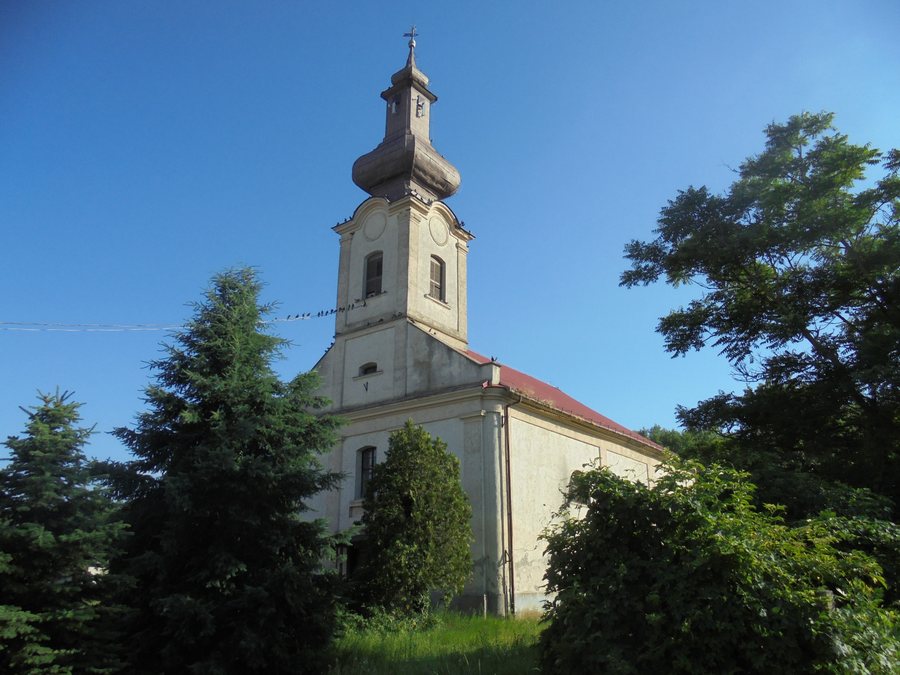
Nagyrév at a glance
- Tatár-árok: The ditch runs through Nagyrév from the Holt-Tisza to the Tisza. The population dug it to protect the village from the Tatars.
- Nature: The annual Tisza mayfly bloom can be seen in Nagyrév in all its glory.
- Landscape: Three burial mounds (kunhalmok) are located in the surrounding area; the municipality describes them as protected natural assets.
What story does the Tatár-árok tell?
The Tatár-árok is a tangible point of reference in Nagyrév’s history: it runs through the village, stretching from the Holt-Tisza to the Tisza. The population dug it to protect Nagyrév from the Tatars. This links a clearly defined landscape feature with a specific historical purpose. Anyone interested in a place’s history will find here not a general overview, but a feature whose route and function are closely connected.
What natural features define Nagyrév?
The annual Tisza mayfly bloom and the three burial mounds represent distinct natural features. The bloom is a recurring phenomenon that can be seen in Nagyrév in all its glory. The burial mounds, by contrast, are clearly located landscape features in the surrounding area, which the municipality describes as protected natural assets. If you are comparing nature-related attractions, this distinction is useful: here, a yearly recurring spectacle meets permanent, named features of the landscape.
What else does the wider Jász-Nagykun-Szolnok destination have to offer?
Within the wider Jász-Nagykun-Szolnok destination, Lake Tisza in the northern part of Jász-Nagykun-Szolnok County serves as a tourist hub. The lake and its surroundings are also among the region’s outstanding areas for cycling tourism. The international EuroVelo 2 cycling route, which follows the Tisza through the county, adds a regional route to the picture. These details offer a broader context for interests in lakes and cycling; Nagyrév’s local features remain the Tatár-árok, the mayfly bloom, and the burial mounds.
Another natural highlight in the wider Jász-Nagykun-Szolnok destination is the Tiszakürt Arboretum. It is home to more than 1,000 plant species and varieties and has been a nature reserve of national importance since 2001. The Öregkert area has a 3.5-kilometre network of signed walking trails. The arboretum is also an important refuge for native flora and fauna. This helps distinguish the region’s broader nature offerings from Nagyrév’s local features.
The Kiss-Pál Museum in Tiszafüred is also part of the wider Jász-Nagykun-Szolnok destination. It is one of Hungary’s oldest rural museums and is housed in a Neoclassical mansion built by the Lipcsey family in the first half of the 19th century. One permanent exhibition focuses on Tiszafüred’s approximately 7,000-year archaeological past; another displays outstanding folk-art objects from the 17th and 18th centuries. Check the exhibition information before your trip. These regional nature and culture attractions offer different highlights from those directly associated with Nagyrév.
Discover more destinations: Kunszentmárton, Tiszaföldvár, Cserkeszölö, Szelevény, Cibakháza.
FAQ
What route did the Tatár-árok take through Nagyrév?
The ditch runs through Nagyrév from the Holt-Tisza to the Tisza. The population dug it to protect the village from the Tatars.
What is known about the Tisza mayfly bloom in Nagyrév?
It is an annual natural phenomenon that can be seen in Nagyrév in all its glory.
What regional cycling attractions are mentioned in the wider destination?
Lake Tisza and its surroundings are among the region’s outstanding areas for cycling tourism. The EuroVelo 2 cycling route follows the Tisza through Jász-Nagykun-Szolnok County.
What can you see at the Kiss-Pál Museum?
The permanent exhibitions include one on Tiszafüred’s approximately 7,000-year archaeological past and a folk-art exhibition featuring objects from the 17th and 18th centuries. Check the exhibition information before your trip.
For the wider travel overview: Kunszentmártoni.

