
Szajol: Fishing, Local History and Regional Culture
Accommodation in Szajol
Szajol combines a fishing spot popular with families, a short themed route and stories from local history. This provides a concrete starting point for planning your hotel stay: which of these interests should shape your visit?
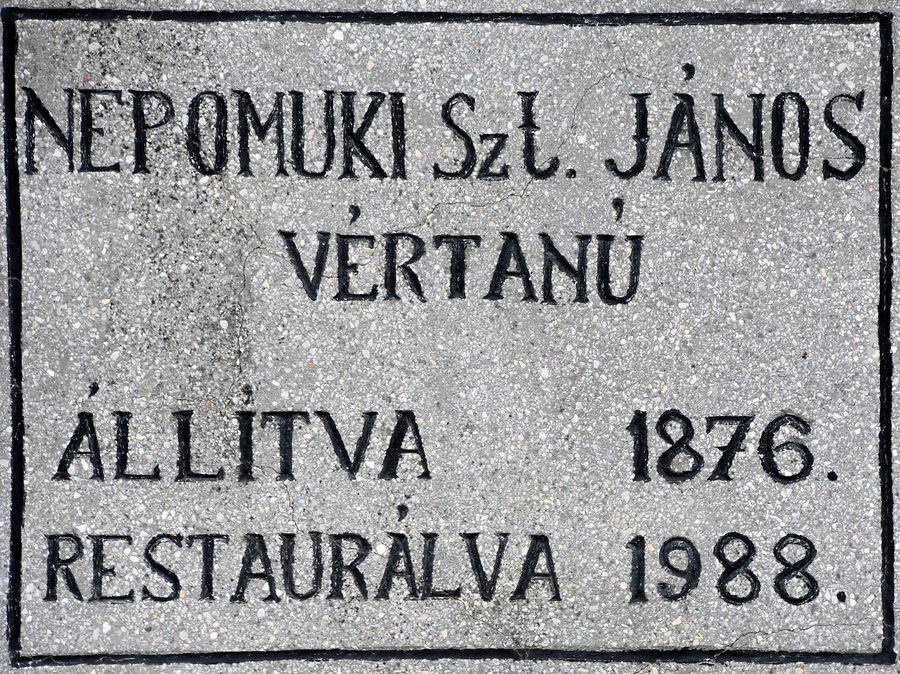 File:Szajol, Nepomuki Szent János-szobor 2020 13.jpg
Photo: Pasztilla aka Attila Terbócs via Wikimedia Commons, CC BY-SA 4.0
File:Szajol, Nepomuki Szent János-szobor 2020 13.jpg
Photo: Pasztilla aka Attila Terbócs via Wikimedia Commons, CC BY-SA 4.0
Szajol at a glance
- Fishing is especially popular with families at the lake known as 1-es tó.
- The Hétmérföldes Kalandtúra takes you to significant sites in Szajol. As of 2024, you can allow around 2.5 kilometres and one to two hours for the Hétmérföldes Kalandtúra; it can be completed alone or in a group.
- The war memorial was inaugurated on 12 May 1921 and created by Budapest stonemason Boros Elek.
- Bózsó Istvánné, who lives in Szajol, learned to make Grillázstorte from Almási Rozália of Tiszabő in 1977.
What experiences does Szajol offer?
Fishing is the main attraction at the lake known as 1-es tó. It is considered especially popular with families and gives the town a clear connection to a stay by the water. The Hétmérföldes Kalandtúra offers something different: it takes you to significant sites within Szajol. As of 2024, you can allow around 2.5 kilometres and one to two hours for the route; it can be completed alone or in a group.
The two activities appeal to different interests: those who enjoy fishing have the lake as a specific point of interest, while those who prefer exploring on foot can follow the described route. The trail is around 2.5 kilometres long and is estimated to take one to two hours.
What stories do the local history and Grillázstorte tell?
Szajol’s war memorial is anchored in history by its precise inauguration date and its creator: Budapest stonemason Boros Elek created the memorial, which was inaugurated on 12 May 1921. For anyone interested in a town’s history, it offers a specific reason to explore Szajol’s past.
The making of Grillázstorte is also linked to a personal story. Bózsó Istvánné, who lives in Szajol, learned to make it from Almási Rozália of Tiszabő in 1977.
What does the wider destination of Jász-Nagykun-Szolnok offer?
Within the wider destination of Jász-Nagykun-Szolnok, Lake Tisza in the county’s northern part serves as a tourist centre. The lake and its surroundings are also among the region’s outstanding areas for cycling tourism. The international EuroVelo II route runs along the Tisza through Jász-Nagykun-Szolnok. Thus, water and cycling themes feature side by side at the regional level, while the fishing and route experiences described here are specific to Szajol.
Another regional highlight is the Tiszakürt Arboretum. Within the wider destination of Jász-Nagykun-Szolnok, it is of national botanical significance and has been a nature reserve of national importance since 2001. It is home to more than 1,000 plant species and varieties. In the Öregkert section, a signposted network of walking paths extends for 3.5 kilometres. These details offer nature enthusiasts a distinct point of comparison in the region.
Culture can also be explored at the regional level. The Kiss-Pál Museum in Tiszafüred is one of Hungary’s oldest rural museums and is housed in a Neoclassical manor built by the Lipcsey family in the first half of the 19th century. Its permanent exhibitions include one on Tiszafüred’s archaeological past, spanning around 7,000 years, and an ethnographic exhibition featuring outstanding objects from the 17th and 18th centuries. Check the exhibition details before visiting.
How do you choose a hotel to suit your plans?
When looking for a hotel in Szajol, you can first consider whether fishing, the Hétmérföldes Kalandtúra or local history is your main priority. If you are instead planning to focus on cycling, botanical collections or museums, the information specifically associated with the wider destination of Jász-Nagykun-Szolnok can help you compare options across the region. Base your search on the place and experiences you actually want to make the focus of your trip.
Discover more destinations: Szolnok, Rákóczifalva, Kőtelek, Zagyvarékas, Tiszavárkony, Martfű, Nagykörű.
FAQ
What can you do in Szajol?
Fishing is popular at the lake known as 1-es tó, especially with families. The Hétmérföldes Kalandtúra takes you to significant sites in Szajol; it is approximately 2.5 kilometres long and takes one to two hours (as of 2024).
How long does the Hétmérföldes Kalandtúra take?
The route, approximately 2.5 kilometres long, is estimated to take one to two hours (as of 2024). It can be completed alone or in a group.
What local history is associated with Szajol?
The war memorial was inaugurated on 12 May 1921 and created by Boros Elek, a Budapest stonemason. Bózsó Istvánné also learned to make Grillázstorte from Almási Rozália of Tiszabő in 1977.
What other cultural and nature-related themes are there in the wider destination?
The wider destination of Jász-Nagykun-Szolnok includes themes such as Lake Tisza, the Tiszakürt Arboretum and the Kiss-Pál Museum in Tiszafüred. They broaden the picture of Szajol with regional perspectives on cycling, nature and culture.
Go to the wider travel overview: Szolnoki.

