
Törökszentmiklós: History, Remembrance and Architecture
Accommodation in Törökszentmiklós
Törökszentmiklós brings together local history, monuments and religious architecture. The Közép-Tiszai Tájvédelmi Körzet also includes the town; cycling and arboretum themes are part of the wider destination of Jász-Nagykun-Szolnok.
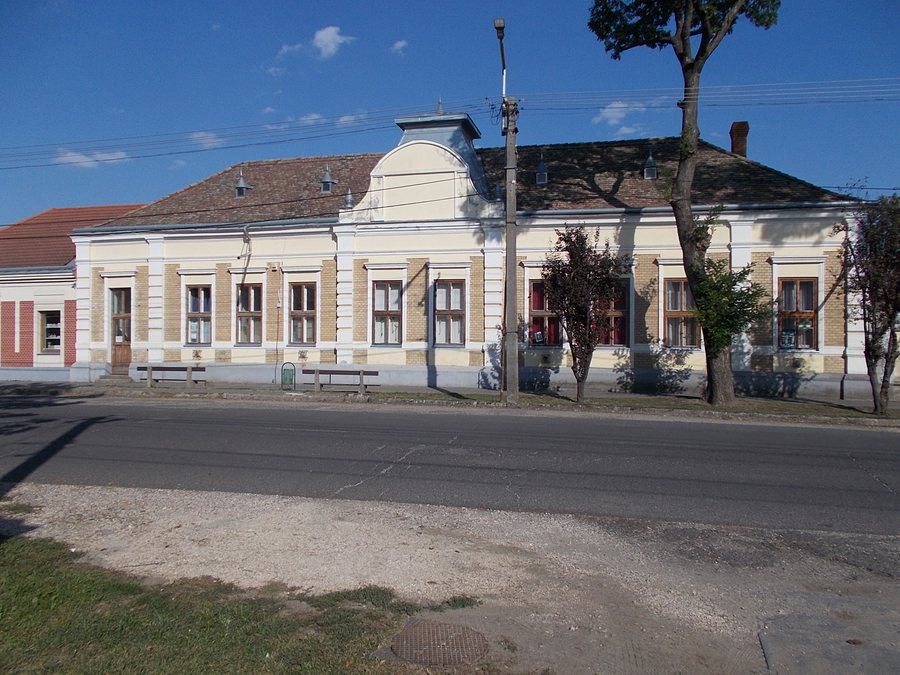 File:Almásystrasse 10, 2023 Törökszentmiklós.jpg
Photo: Globetrotter19 via Wikimedia Commons, CC BY-SA 4.0
Quick facts about Törökszentmiklós
- The Butyka Béla Helytörténeti Gyűjtemény offers museum education programs on local history and folk culture.
- The county’s first Kossuth monument was erected on 23 October 1904 in Jász-Nagykun-Szolnok.
- The late Baroque Trinity Church was built to the designs of architect Károly Rábel.
- The Közép-Tiszai Tájvédelmi Körzet also includes Törökszentmiklós.
What history of the town do its monuments tell?
The Butyka Béla Helytörténeti Gyűjtemény introduces children and young people to the town’s local history, folk culture and past through museum education programs. School groups can take part in these programs by prior arrangement. This links the study of history with a practical educational offering for young visitors; school groups should include advance booking in their plans.
The Kossuth monument is a notable historical landmark: it was the first monument to Kossuth in Jász-Nagykun-Szolnok County and was erected on 23 October 1904 as part of a folk festival attended by several thousand people. Kossuth Ferenc attended the unveiling ceremony. The date, festive setting and his attendance make the event a clearly defined chapter in the town’s history of remembrance.
The monument to the soldiers who fell in the First World War also records a specific number: it commemorates 925 fallen soldiers from Törökszentmiklós and was created by vitéz Székely Károly. Another religious landmark is the Kálvária-kápolna, which János Almásy III had built in honour of Our Lady of Sorrows. Together, these sites represent different historical themes: public commemoration, local remembrance and a religious dedication.
Which architectural features stand out?
The Trinity Church is late Baroque and was built to the plans of Károly Rábel, an architect from Gyöngyös. Another architectural detail concerns a cross: it was made between 1898 and 1900 in the Neo-Romanesque-Gothic style. The church associated with the cross was designed by Budapest architect Sándor Aigner.
A comparison of the recorded details helps put them in context: the Trinity Church is noted for its late Baroque style, while the cross is described as Neo-Romanesque-Gothic and dated to 1898–1900. This distinguishes two different architectural references without assigning them to the same building period.
How should the natural and cycling context be understood?
The Közép-Tiszai Tájvédelmi Körzet also includes Törökszentmiklós. In the wider destination of Jász-Nagykun-Szolnok, the Tisza-tó in the northern part of Jász-Nagykun-Szolnok is a tourist centre. The lake and its surroundings are among the region’s outstanding areas for cycling tourism; the international EuroVelo II cycle route also follows the Tisza through the county. These are two distinct points of interest for cycling enthusiasts: the Tisza-tó area as a major cycling destination and an international route along the river.
The Tiszakürti Arboretum, also in the wider destination of Jász-Nagykun-Szolnok, is of national botanical importance. It has been a nature reserve of national importance since 2001. It is home to more than 1,000 plant species and varieties and also serves as a refuge for native flora and fauna. In the Öregkert area, a 3.5-kilometre network of signposted paths is available for walking. The references to the cycling route and arboretum belong to the regional context; the monuments and churches mentioned, by contrast, relate to the history of Törökszentmiklós.
Discover more destinations: Karcag.
FAQ
What does the Butyka Béla Helytörténeti Gyűjtemény offer?
Its museum education programs introduce children and young people to the town’s local history, folk culture and past. School groups can take part by prior arrangement.
What is known about the unveiling of the Kossuth monument?
The first Kossuth monument in Jász-Nagykun-Szolnok County was erected on 23 October 1904 at a folk festival attended by several thousand people. Kossuth Ferenc attended the unveiling ceremony.
Which architectural styles are mentioned in Törökszentmiklós?
The Trinity Church is late Baroque. The cross, erected between 1898 and 1900, is Neo-Romanesque-Gothic; the associated church was designed by Sándor Aigner.
For the wider travel overview: Jász-Nagykun-Szolnok.

