
Fegyvernek – Water and Architectural Heritage
Accommodation in Fegyvernek
Fegyvernek combines its connection to the Holt-Tisza with striking historic buildings.
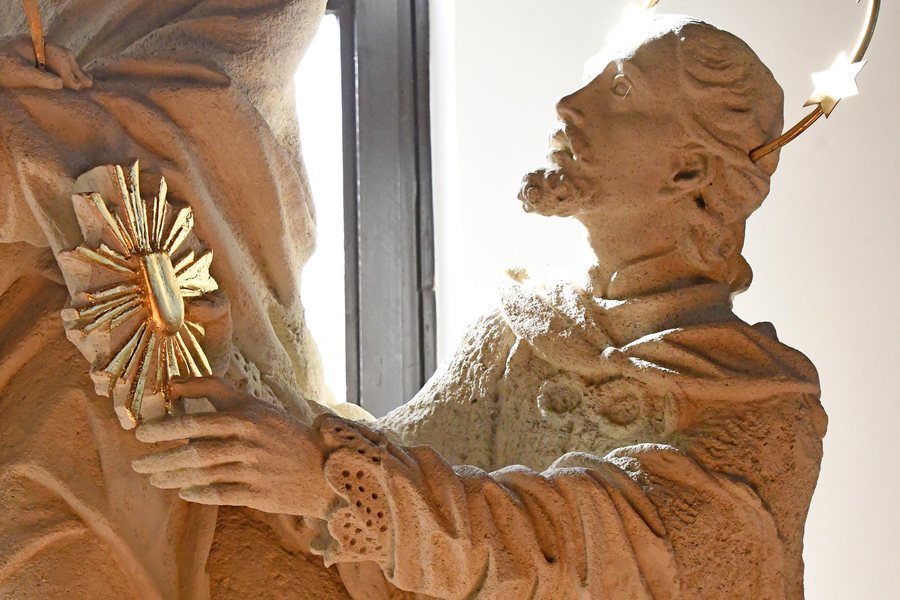 File:Fegyvernek, Nepomuki Szent János-szoborcsoport 2023 18.jpg
Photo: Pasztilla aka Attila Terbócs via Wikimedia Commons, CC BY-SA 4.0
File:Fegyvernek, Nepomuki Szent János-szoborcsoport 2023 18.jpg
Photo: Pasztilla aka Attila Terbócs via Wikimedia Commons, CC BY-SA 4.0
Fegyvernek at a glance
- The Holt-Tisza extends into Fegyvernek; along its banks, there are opportunities for fishing, walking and relaxing.
- The Alsóréti Holt-Tisza was formed in 1856 when a natural riverbed developed as a result of the 74th Tisza cut-off. It lies along the administrative boundaries of Fegyvernek, Nagykörű and Törökszentmiklós.
- Landmarks include the statue of Nepomuki Szent János, dating from 1775, and the Gothic Pusztatorony, built around 1480.
- The Németh tanya lies on the edge of Fegyvernek and is recommended for people interested in horse riding and trail rides.
What can you do on the Holt-Tisza?
The Holt-Tisza offers several ways to spend time by the water in Fegyvernek: you can go fishing, take a walk or relax on the bank. These activities offer different experiences, from spending time outdoors to taking a quiet break by the water. Which one suits your stay depends on what you enjoy doing.
The Alsóréti Holt-Tisza offers a distinct historical perspective on the waterscape. It dates back to 1856, when a natural riverbed formed as a result of the 74th Tisza cut-off. The administrative boundaries of Fegyvernek, Nagykörű and Törökszentmiklós meet at this body of water. Both the Holt-Tisza’s present-day uses and its landscape history are therefore among the topics you can consider when planning your trip.
Which buildings define the town?
The statue of Nepomuki Szent János is located in Fegyvernek-Szapárfalu on Main Road 4, between kilometre markers 128 and 129. It was built in the Baroque style in 1775. The statue group is protected by a brick structure with a triangular ground plan and triangular pillars; its tent-shaped roof is covered with shingles.
You can also explore the architecture of the Fegyverneki Református Templom. The church is on Fegyvernek’s main street and is oriented along an east–west axis. A gate and entrance hall stand in front of the eastern main façade. A tower with a pyramidal spire stands at the hall’s northern corner; an extension adjoining the west side encloses the liturgical space.
The Pusztatorony adds another perspective on the town’s architectural history. This Gothic listed building was constructed around 1480. Together with the Baroque statue and the Reformed church, it shows that the town’s historic buildings represent different periods and architectural forms.
How can you choose the focus of your stay?
If you are interested in water and riverside activities, you can consider including the Holt-Tisza in your plans. If you would rather focus on architectural history, the statue, church tower and Pusztatorony offer different examples. The Németh tanya on the edge of Fegyvernek is recommended for visitors interested in horse riding. This does not guarantee current opening hours or booking options; check specific offers before making plans.
This lets you compare specific accommodation offers based on your own travel plans, without assuming that riverside activities, buildings or an interest in horse riding correspond to particular accommodation features.
The wider travel destination
The wider destination of Jász-Nagykun-Szolnok includes other regional attractions that should not be confused with features of Fegyvernek. The Tisza-tó in the northern part of Jász-Nagykun-Szolnok serves as a tourism hub. The lake and its surroundings are also among the region’s leading areas for cycling tourism. The international EuroVelo 11 cycle route also runs along the Tisza through Jász-Nagykun-Szolnok County. This information provides regional context; it does not describe a cycle route through Fegyvernek.
FAQ
What does the Holt-Tisza offer in Fegyvernek?
There are opportunities for fishing, walking and relaxing on the bank of the Holt-Tisza.
Where is the statue of Nepomuki Szent János?
It stands in Fegyvernek-Szapárfalu on Main Road 4, between kilometre markers 128 and 129. The statue was built in the Baroque style in 1775.
What is known about the origins of the Alsóréti Holt-Tisza?
It was formed in 1856 when a natural riverbed developed as a result of the 74th Tisza cut-off. The body of water lies along the administrative boundaries of Fegyvernek, Nagykörű and Törökszentmiklós.
For the wider travel overview: Törökszentmiklós.

