
Szuha: Spring, Forest and Architectural History
Accommodation in Szuha
Three themes provide a guide to a trip to Szuha: protected nature, architectural history and a municipal ecotourism project.
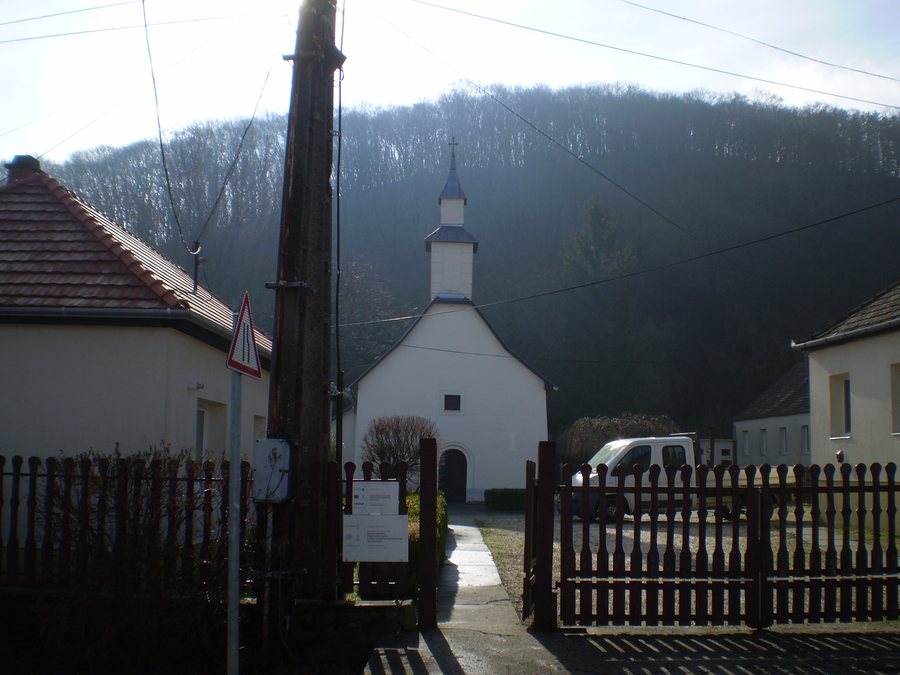
Key facts about Szuha
- The protected Bükkfa Spring lies outside the built-up area of Szuha, on the road towards Parádsasvár.
- The protected woodland surrounding the spring covers 14 hectares.
- The Kisboldogasszony Church dates back to a 15th-century Gothic church and was remodelled in the Baroque style in 1768.
- The Harangtorony is a squat, square, single-storey 18th-century bell tower in the Baroque style.
- An ecotourism centre was established in Szuha; a hiking station and an event area were created in the Szuha–Mátraalmás area.
Which nature and cultural themes define Szuha?
The Bükkfa Spring lies outside the built-up area of Szuha, on the road towards Parádsasvár. It emerges between the roots of an old beech tree. The surrounding woodland is also protected and covers 14 hectares.
The Kisboldogasszony Church in Szuha dates back to a 15th-century Gothic church; it was remodelled in the Baroque style in 1768. The Harangtorony is a squat, square, single-storey bell tower built in the 18th century in the Baroque style. The two buildings therefore reflect different periods: the church combines Gothic origins with a later Baroque remodelling, while the tower is a building from the Baroque period.
What visitor facilities have been established?
A North Mátra Ecotourism Centre has been established in Szuha. The building was turned into an ecotourism reception building and visitor centre, with interactive features and games for day-trippers and groups. Active play and leisure facilities were also created. A hiking station and an event area were established in the Szuha–Mátraalmás area.
How should Szuha be considered when looking for hotels?
First decide which of these interests are most important to your stay, then choose accommodation based on your personal requirements.
What regional themes does the wider destination of Neuburg offer?
The wider destination of Neuburg offers further cultural and geological themes. Hollókő is a Palóc settlement in Nógrád County in northern Hungary and a deliberately preserved, living example of rural life before the 20th-century agricultural revolution. The Pásztó Museum presents permanent and temporary exhibitions in a Baroque Cistercian monastery building rebuilt in 1717–1718. Its open-air exhibition features a medieval glassworks and blacksmith’s workshop, a unique industrial heritage monument in Hungary.
The Boszorkány-kő geological educational trail illustrates the rocks of a small fissure volcano. These include sediment inclusions torn up from the depths, curved lava slabs and basalt columns formed by weathering. Thus, alongside cultural history, the wider destination of Neuburg also offers specific geological themes.
Discover more destinations: Mátraverebély, Bátonyterenye and Mátranovák.
FAQ
Where is Bükkfa Spring?
It lies outside the built-up area of Szuha, on the road towards Parádsasvár, and emerges between the roots of an old beech tree.
How do the church and the Harangtorony differ historically?
The church has 15th-century Gothic origins and was remodelled in the Baroque style in 1768; the Harangtorony was built in the 18th century in the Baroque style.
What facilities have been established in Szuha and the Szuha–Mátraalmás area?
The North Mátra Ecotourism Centre was established in Szuha; a hiking station and an event area were set up in the Szuha–Mátraalmás area.
For the wider travel overview: Bátonyterenyei.

