
Dabas: Mansions and Kyselica
Accommodation in Dabas
Dabas can be understood through two cultural themes: its collection of mansions and residential houses, and the Kyselica, a winter-ending festival in Sári. More than 30 of these buildings have survived since the 19th century; the festival takes place annually two weeks before Easter. This gives you two different starting points for planning your trip: architectural history and a seasonally timed festival.
 File:Halász Boldizsár Városi Könyvtár, Dabas - 2013.10.22 (1).JPG
Photo: Derzsi Elekes Andor via Source, CC BY-SA 3.0
Dabas at a glance
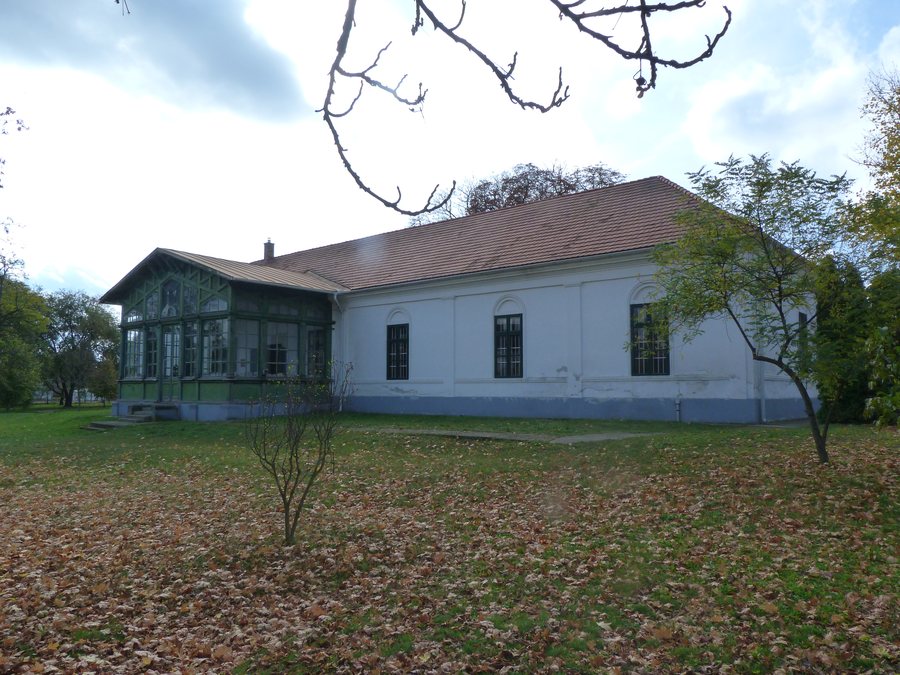
- More than 30 mansions and residential houses that have survived since the 19th century have earned Dabas the nickname “City of Mansions.”
- The Halász Móricz-kúria in Gyón was built as a residence in 1821.
- In Sári, the Kyselica, a winter-ending festival, is celebrated every year on Black Sunday, two weeks before Easter.
Why is Dabas nicknamed the “City of Mansions”?
The nickname refers to more than 30 surviving mansions and residential houses. These buildings have survived since the 19th century; the name refers to the collection as a whole and includes both types of building. When choosing a trip, this makes the city’s architectural history the focus—a different perspective from the history of a single house.
What is known about the Halász Móricz-kúria in Gyón?
The Halász Móricz-kúria in Gyón was built as a residence in 1821. This gives you a specific example with a named location, construction year, and original use. The year 1821 falls in the 19th century, but here it refers to the kúria’s construction year. More than 30 mansions and residential houses have survived since the 19th century. A precisely dated building and a broader architectural collection therefore represent two different historical scales. For a cultural overview, this is a useful comparison: a specifically dated house within the city’s broader architectural heritage.
When does the Kyselica fit into your travel plans?
In Sári, the Kyselica, a winter-ending festival, is celebrated every year on Black Sunday, two weeks before Easter. If you would like to include the celebration in your travel plans, check the specific event date for the relevant year before scheduling your trip around it. Unlike the kúria, whose construction year is fixed, the annual timing is the practical guide here. This can help you decide whether the city’s architectural history or a seasonally timed festival is more relevant to your trip.
Discover more destinations: Kakucs, Tatárszentgyörgy, Újlengyel, Inárcs, Újhartyán, Hernád.
FAQ
Why is Dabas called the “City of Mansions”?
More than 30 mansions and residential houses that have survived since the 19th century have given the city this nickname.
When is the Kyselica celebrated?
In Sári, every year on Black Sunday, two weeks before Easter. Check the specific event date for the year you plan to travel.
What is known about the Halász Móricz-kúria?
It is located in Gyón and was built as a residence in 1821.
To the main travel overview: Dabasi.

