
Discover Dány
Accommodation in Dány
You can get to know Dány through its local history and Lake Dány: statues, a park and the lake’s history offer different perspectives. If you are looking for accommodation, you can use these themes as a guide when planning your trip.
Quick facts about Dány
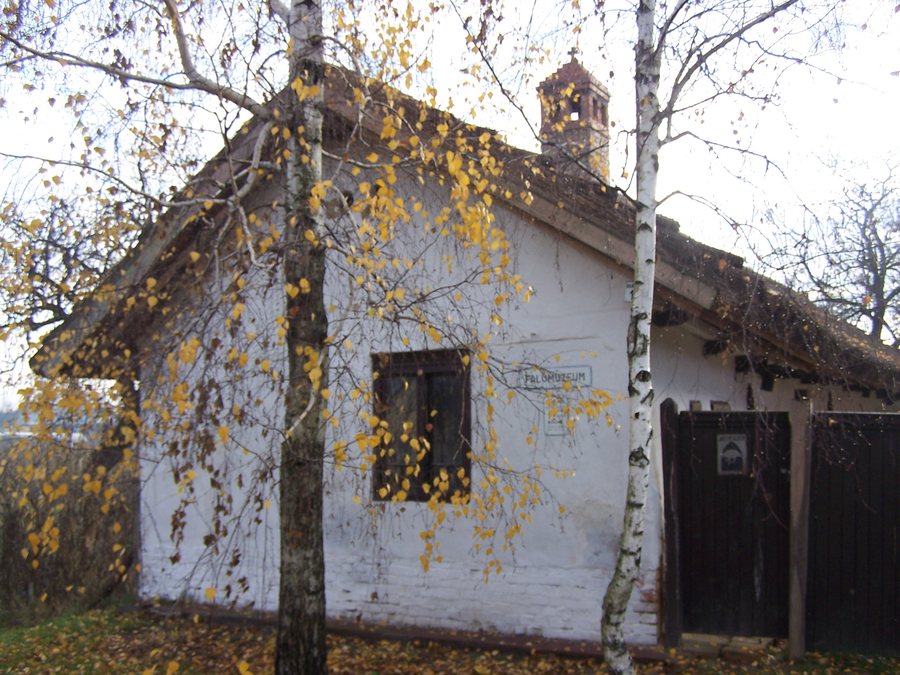
Lake Dány was created in the early 1970s by damming the Nagyvölgyi stream and was originally used to irrigate the surrounding fields. The village has statues of Szent Imre and Nepomuki Szent János; the park, completed in 2000, is adorned with a statue of Szent Margit. Local history also includes a folk dance group led by Dóczi András and the Néprajzi Ház, which is listed in the 2021 local values register as the village’s only registered protected historic building.
What cultural history can you discover in Dány?
Local cultural history ranges from community dance to public statues. In the 1960s, Dóczi András led a folk dance group for several years, operating under the auspices of the cultural centre in Dány. This offers a historical glimpse of cultural life at the time, not a statement about a current programme.
Each of the statues mentioned also has its own connection to local history. The statue of Szent Imre was inaugurated in 1994. The statue of Szent Margit stands in the park completed in 2000, while the statue of Nepomuki Szent János is beside the stream. Together, these places offer different points of interest if you are interested in religious sculptures and the history of the village. The Néprajzi Ház adds to this picture as the protected historic building listed in the 2021 register of local values. This way, as you explore Dány, you can take in both individual works of art and local cultural history.
What do the lake and fishing reveal about the past?
Lake Dány is part of the village’s history not only because of how it was created, but also because of its former use. In the early 1970s, the Nagyvölgyi stream was dammed, and the lake was initially used to irrigate the surrounding fields. Its original purpose was therefore different from the later history of organised angling.
This began in 1975 with the founding of the “MAGVETŐ” MG. TSZ. DÁNY HORGÁSZ-EGYESÜLET. The historical account that followed also records that fish were stocked regularly; the annual amount was 100–120 metric quintals. These figures belong to the recorded history of fishing and do not describe present-day use. Anyone interested in the lake can therefore distinguish two historical aspects: its original role in irrigation and the later organised fishery.
What themes can help you choose accommodation?
When looking for a hotel in Dány, the village’s history and the lake can serve as thematic guides. As you plan your trip, consider whether you are more interested in cultural history, the statues or the historical development of Lake Dány. The facts described here characterise the village but do not indicate a particular area for accommodation.
Discover more destinations: Kistarcsa, Isaszeg, Szada, Csömör, Pécel, Nagytarcsa, Kerepes, Gödöllő.
FAQ
When was Lake Dány created?
The lake was created in the early 1970s by damming the Nagyvölgyi stream. It was originally used to irrigate the surrounding fields.
When did organised angling at the lake begin?
It began in 1975 with the founding of the “MAGVETŐ” MG. TSZ. DÁNY HORGÁSZ-EGYESÜLET. The recorded annual amount of regular fish stocking was 100–120 metric quintals.
Which statues are associated with Dány?
The statue of Szent Imre was inaugurated in 1994. A statue of Szent Margit stands in the park completed in 2000; a statue of Nepomuki Szent János is beside the stream.
For the wider travel overview: Gödöllői.

