
Discover Bugyi: Culture and Nature
Accommodation in Bugyi
Bugyi can be explored through its cultural history and landscapes. The Tájház offers insights into local life and activities related to traditional crafts; near Ürbő, the Puszta and its protected plant life add another dimension.
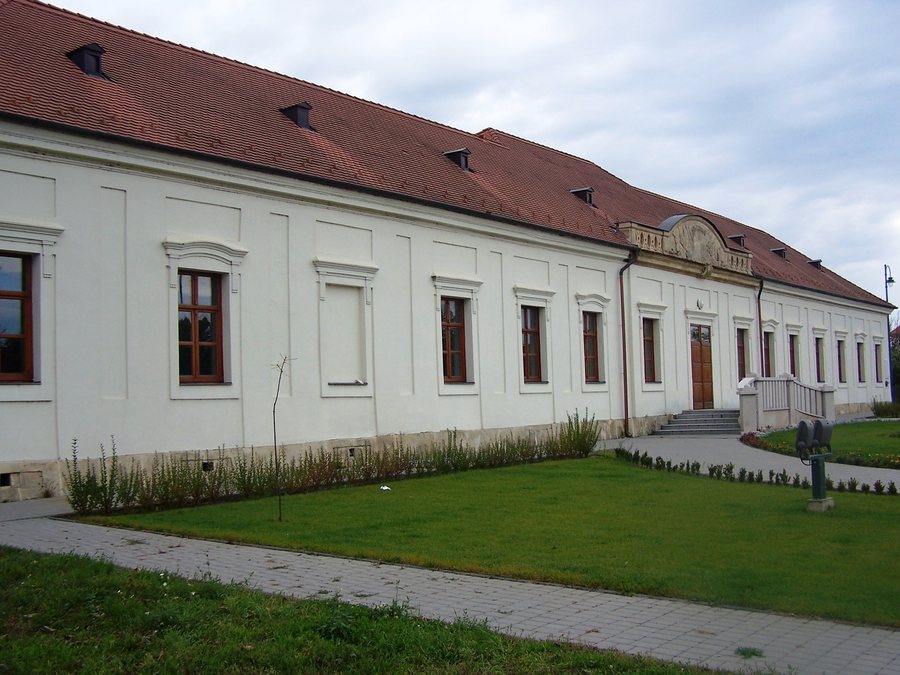 File:Beleznay-kastély (11717. számú műemlék) 3.jpg
Photo: rlevente, Rlevente via Wikimedia Commons, CC BY-SA 2.5 hu
Quick facts about Bugyi
- The Bugyi Nagyközség Tájháza was handed over in 2013 and is located a few hundred metres from the town centre.
- On the southwestern outskirts of Ürbő, the area meets the salt steppe of Kiskunság National Park, known for its birdlife.
- On the part of the Puszta facing Bugyi is a 9.4-hectare protected area where the dwarf iris grows.
What does the Tájház reveal about Bugyi?
The Tájház, Bugyi’s local history museum, was established with funding from a successful grant project and handed over in 2013. It is only a few hundred metres from the town centre. Its exhibits cover local customs and ways of life, as well as agriculture and traditional crafts. These subjects offer different insights, ranging from everyday life to activities associated with local working and craft traditions.
Visitors can try out some of the activities on display. Talks are regularly held in the exhibition room, and summer craft camps also include activities for children. If you have a particular event in mind, check the current dates in advance.
The building has a working, usable domed oven. It has been used several times for baking during craft camps or when groups have visited: a baker kneaded the dough for sourdough bread and kenyérlángos, a Hungarian flatbread.
What story does the Szégyenkő tell?
The Szégyenkő, or “stone of shame,” stands in the garden of the Reformed Church. It is associated with former “eklézsiakövetési” proceedings: people who had broken church laws repented of their actions before the pulpit and the stone placed in the church garden. The site thus points to a historical practice and to the connection between church life and public repentance. It is important to understand it as a reminder of past proceedings, not as a current practice.
What nature can you find near Ürbő?
The southwestern outskirts of Ürbő form part of the salt steppe of Kiskunság National Park, which is known for its birdlife. A 9.4-hectare protected area lies on the part of the Puszta facing Bugyi. The dwarf iris, also called the small iris, blooms there as a plant of the former marsh meadow.
The landscape features can be distinguished as follows: the salt steppe is associated with birdlife, while the protected area is home to a specific plant and its habitat. Those interested in nature will find a different focus here than in the cultural history of the Tájház and the Szégyenkő.
How can you choose a focus for your trip?
If you are interested in local customs, agriculture and traditional crafts, the Tájház and domed oven offer concrete points of interest. The story of the Szégyenkő adds a church and historical perspective to these subjects. Those interested in landscapes and plant life can explore the salt steppe near Ürbő and the protected area on the part of the Puszta facing Bugyi.
When looking for a hotel in Bugyi, you can first consider which of these subjects you want your trip to focus on. The cultural and landscape attractions cater to different interests; compare them with your travel plans before choosing accommodation.
Discover more destinations: Alsónémedi, Gyál, Ócsa.
FAQ
What can you learn at the Tájház?
The local history museum presents local customs and ways of life, as well as subjects related to agriculture and traditional crafts. Visitors can try out some of the activities on display.
What events are held at the Tájház?
Talks are regularly held in the exhibition room. Summer craft camps include activities for children; for specific dates, it is best to check in advance.
What is the Szégyenkő associated with?
The stone in the garden of the Reformed Church is a reminder of former “eklézsiakövetési” proceedings, in which people repented of their actions after breaking church laws.
What natural features are described near Ürbő?
The southwestern outskirts of Ürbő form part of the salt steppe of Kiskunság National Park, known for its birdlife. The dwarf iris, or small iris, blooms in the protected area on the part of the Puszta facing Bugyi, in the former marsh meadow.
To the broader travel overview: Gyáli.

