
Dunabogdany: Danube riverbank, cycling route and culture
Accommodation in Dunabogdany
Dunabogdany offers several reasons to visit the Danube: a section of the EuroVelo 6 cycle route, a freely accessible beach and cultural and historical traces ranging from a Roman fort to Baroque chapels. Which of these aspects interests you most may influence your decision to choose the town as a destination.
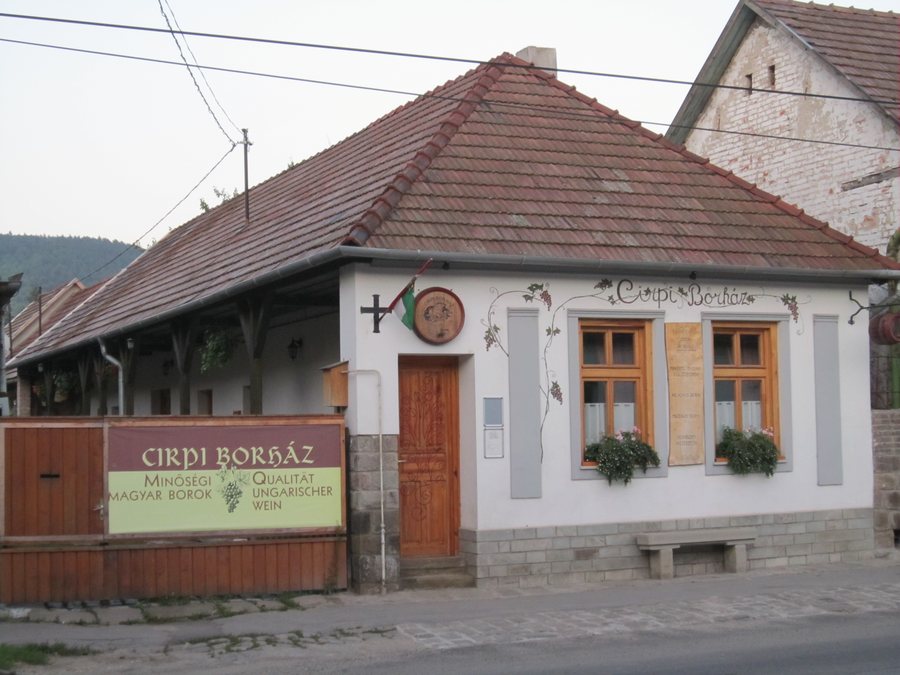
Dunabogdany at a glance
The Danube Cycle Path runs through the outskirts of Dunabogdany along a 2,422-metre section that is part of the EuroVelo 6 network. At the Danube Bend lies Dunabogdany Szabadstrand. It is freely accessible and can be reached by car via Route 11 and by scheduled buses from Budapest and Esztergom.
Historic buildings include the Szent-Donát Chapel on a steep hill above the town and the Szent-Rókus Chapel at the upper, northern end of the town, near the main road. The remains of the Roman military camp Castrum Cirpi and the small Öreg Kálvária chapel are also among the places described in the municipality.
What cultural and historical traces can you discover?
The single-nave Szent-Donát Chapel is a late Baroque building. After a year and a half of construction, it was completed on 29 March 1829. Its position on a steep hill above Dunabogdany gives it a distinctive place in the townscape; it differs markedly from the Szent-Rókus Chapel at the upper, northern end of the town. The latter is a simple early 19th-century late Baroque building and was renovated as early as 1800.
The statue of Nepomuki Szent János also stands at the upper end of the town, by the main road: a Rococo roadside statue on a pillar pedestal. The painted stone figure is believed to date from around 1770. Those interested in older traces of the region can find the site of the Roman military camp Castrum Cirpi in Váradok-dűlő, on the left bank of the Kalicsa stream, directly by the Danube. It was part of the eastern frontier system, the Roman Limes; the outline of the fort is still clearly visible in the terrain.
Öreg Kálvária lies at the edge of the built-up area and the protected forest of Duna-Ipoly National Park. The small sunken chapel and its forecourt are of local cultural-historical and landscape significance. From the forecourt, there is a view of the Danube Bend at Dunabogdany. The Roman Catholic church is considered a modern church building and was built in 1939. Its predecessor was badly damaged by fire on 4 June 1849; in 1937, the gable collapsed during repair work.
What do the cycle route and Danube riverbank offer?
About the Danube Cycle Path on the outskirts: following its renovation, it was completed and opened to cyclists. This gives you a specific cycle route to consider when planning your trip, without implying any information about travel time or the route beyond this section.
At Dunabogdany Szabadstrand, camping and mooring kayaks and canoes are possible in the designated area beside the beach, subject to prior registration. The beach can be reached both via Route 11 and by scheduled buses from Budapest and Esztergom.
What is part of the local heritage?
Dunabogdany’s cultural heritage also includes products from the andesite quarry and preserved examples of local stonework. They are considered values of the municipality worth preserving. Another aspect of the town’s history is the bogdányi dinka grape variety: it was grown in Dunabogdany, was known for its large, juicy berries and produced a mild, pleasantly aromatic table wine.
Other destinations you can consider for comparison include Pilisszentkereszt, Szentendre, Pomáz, Visegrád, Pilisszentlászló, Szigetmonostor, Pócsmegyer and Kisoroszi.
FAQ
How long is the Danube Cycle Path section in Dunabogdany?
The section on the outskirts is 2,422 metres long and is part of the EuroVelo 6 network.
How do you get to Dunabogdany Szabadstrand?
You can reach the beach by car via Route 11; scheduled buses run from Budapest and Esztergom.
What is possible beside the beach after registering?
Camping and mooring kayaks and canoes are possible in the designated area beside the beach, subject to prior registration.
For the broader travel overview: Szentendre.

