
Olcsva: Castle History and Fishing Lake
Accommodation in Olcsva
Olcsva combines a varied castle history with the Holt-Kraszna fishing lake in the heart of the village. Its historical landmarks and the conditions at the lake offer an initial guide for planning your trip.
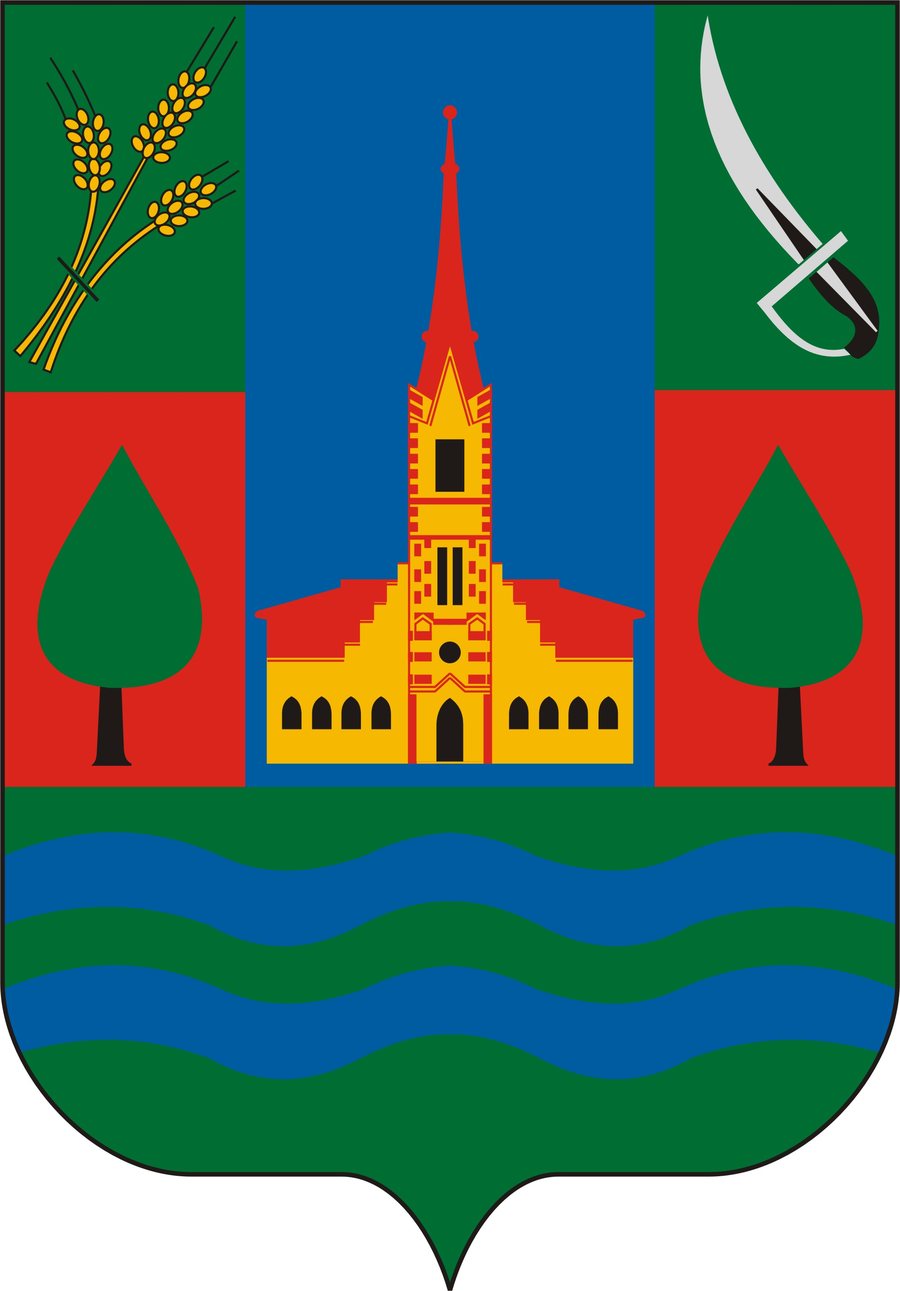 File:HUN Olcsva COA.jpg
Photo: Nemzeti Fejlesztési Minisztérium via Wikimedia Commons, Public domain
File:HUN Olcsva COA.jpg
Photo: Nemzeti Fejlesztési Minisztérium via Wikimedia Commons, Public domain
Quick facts about Olcsva
- Olcsva’s fortified castle was besieged and captured in 1561.
- Olcsvai Kastély was rebuilt several times and demolished between 1777 and 1791.
- The Holt-Kraszna fishing lake is managed by the local fishing association and regularly stocked with fish; a fishing permit is required for access.
- A bust of Sándor Károlyi stands in the park south of the Reformed Church.
What does the history of Olcsvai Kastély tell us?
In 1561, the troops of King Ferdinand besieged and captured Olcsva’s fortified castle. The Károlyi family rebuilt Olcsvai Kastély in 1699. After this rebuilding, the castle consisted of several buildings and had multiple storeys.
The complex burned down in 1703. Count Sándor Károlyi had it rebuilt in 1708–1709. In February 1711, Francis II Rákóczi visited Olcsvai Kastély. This visit therefore took place between the rebuilding and the later demolition of the building complex, which occurred between 1777 and 1791.
The bust of Sándor Károlyi is also a local memorial: it stands in the park south of the Reformed Church. The castle’s history and the bust offer different points of reference if you are interested in the town’s historical heritage.
What should you know about the Holt-Kraszna fishing lake?
The lake is in the heart of Olcsva, is managed by the Olcsva fishing association and is regularly stocked with fish. It welcomes anglers and people seeking recreation alike. Its stated uses therefore appeal to two interests: fishing and relaxing by the water.
A fishing permit is required for access. Include the required permit in your plans.
What else does Szabolcs-Szatmár-Bereg have to offer?
Across the wider destination of Szabolcs-Szatmár-Bereg, a range of cultural attractions complement Olcsva’s local history. The Vay-Ádám Museum Collection of the Hungarian National Museum is housed in the Renaissance Vay Castle in Vaja. The Báthori Castle in Nyírbátor features a permanent exhibition and a tableau depicting members of the Báthori family in period surroundings.
Another way to explore regional history is the northern Hungarian section of the Medieval Churches Route. It links 37 churches in the medieval ecclesiastical landscape of Szabolcs-Szatmár-Bereg.
What nature attractions can you find in the wider region?
The natural attractions of Szabolcs-Szatmár-Bereg also vary considerably. Bátorliget Ancient Moor covers about 53 hectares and is strictly protected. It preserves the different stages in the vegetation and landscape history of the Alföld plain particularly well.
Near Csaroda lie Nyíres-tó and Báb tava, distinctive peat bogs whose history dates back to the Ice Age.
Discover more destinations: Csaroda, Gelénes, Vásárosnamény.
FAQ
What happened to Olcsvai Kastély?
The fortified castle was captured in 1561. The castle was rebuilt in 1699 and again in 1708–1709 after a fire in 1703. The building complex was demolished between 1777 and 1791.
Is a fishing permit required for the Holt-Kraszna fishing lake?
Yes. Access to the lake requires a fishing permit. The lake is managed by the local fishing association and regularly stocked with fish.
Which cultural attractions are in the wider destination of Szabolcs-Szatmár-Bereg?
In Vaja, the Vay-Ádám Museum Collection of the Hungarian National Museum is housed in the Renaissance Vay Castle. In Nyírbátor, a permanent exhibition and a tableau at the Báthori Castle are among the cultural attractions described.
For the wider travel overview: Vásárosnaményi.

