
Bátaszék – Culture, History and Nature
Accommodation in Bátaszék
Bátaszék combines insights into the history of the local German minority with a local history museum and Baroque religious buildings. The Molyhos Tölgy adds a panoramic view over the town to these cultural themes. This can help you decide whether history, folk culture or nature should shape your stay most.
Key facts about Bátaszék
- The Bátaszéki Német Nemzetiségi Tanösvény explores the history and culture of the local German minority. It consists of seven information boards and an additional station, and is freely accessible in the town centre.
- The Tájház is housed in a German farmhouse built in 1892 and has been used as a local history museum since 2000.
- The Szent Orbán-kápolna is a Baroque building and was already standing in 1754.
- The Molyhos Tölgy is estimated to be 300 to 400 years old; from its eastern side, the panoramic view extends across all of Bátaszék.
What insights do the themed trail and Tájház offer?
The Bátaszéki Német Nemzetiségi Tanösvény is dedicated to the history and culture of the local German minority. It consists of seven information boards and an additional station. The themed trail is freely accessible in the town centre, making it a clearly defined point of interest for anyone interested in the German-speaking minority in the town.
The Tájház offers a different focus: it is housed in a German farmhouse dating from 1892, which has been used as a local history museum since 2000. Exhibits include household furnishings, everyday objects and traditional costumes. The ethnic groups represented are the Swabian, Bukovina Szekler and Upper Hungarian groups. Those interested in material folk culture will find both household and everyday objects, as well as clothing from the traditions of these three groups.
Which historical and religious details shape the town?
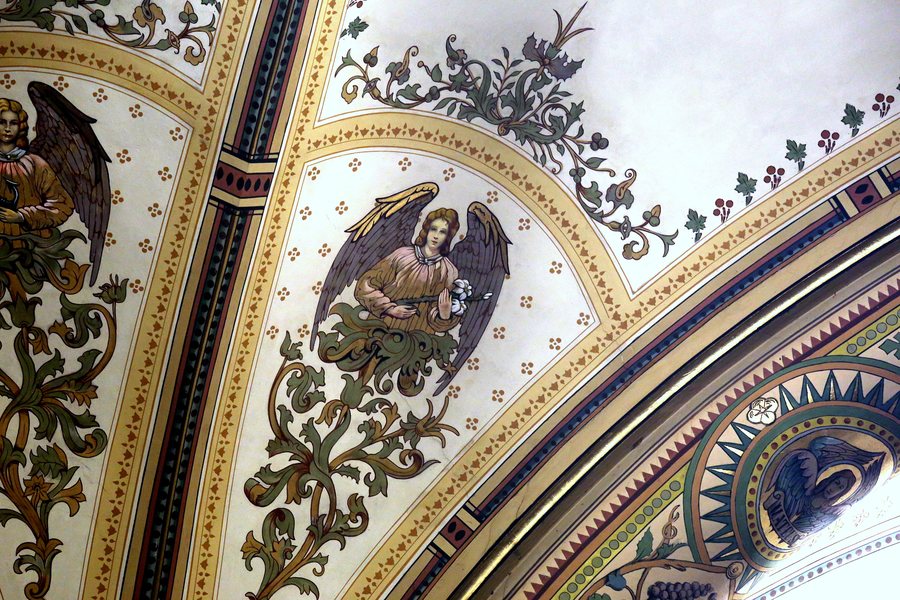
Several Baroque buildings differ in their documented features. The Szent Orbán-kápolna was built on the Bátaszék vineyard and was already standing in 1754. The building is distinguished by its barrel vault and roof turret. The Segítő Szűz-kápolna stands out for its altar, which features a copy of the miraculous image of Our Lady of Help from Passau, held by Baroque angels.
The small Nepomuki Szent János-kápolna is also Baroque. It is located on the road to Báta; inside is a stone statue of Saint Nepomuk. The Baroque church in Bátaszék, in turn, was built on the remains of the medieval abbey church. Together, these sites offer a view of different aspects of religious art and architectural history: a vault and roof turret, an altarpiece with angels, a statue of a saint, and a later church building connected to the remains of an abbey.
What connects nature, town history and local products?
The Molyhos Tölgy offers a different way to experience the town than its museum and religious buildings. Its age is estimated at 300 to 400 years. The panoramic view across the entire town can be seen from the tree’s eastern side. The estimated age and the view are two distinct features: one speaks to the tree’s long history, the other to the outlook over Bátaszék.
The Nationalities Park commemorates the ethnic groups that have shaped the town’s history and culture over the centuries. It complements the more specific insights offered by the themed trail and the Tájház with a connection to the town’s history. The Tourist Information Point offers souvenirs bearing the town’s name, as well as products from local artisans and winemakers. Those interested in local products will find not only souvenirs, but also work and produce from local crafts and winemaking.
More town pages: Szálka, Szedres, Alsónána, Báta, Öcsény, Medina, Sechshard, Tolna.
FAQ
What is the Bátaszéki Német Nemzetiségi Tanösvény about?
The themed trail explores the history and culture of the local German minority. It consists of seven information boards and an additional station.
What does the Tájház display?
The local history museum displays household furnishings, everyday objects and traditional costumes of the Swabian, Bukovina Szekler and Upper Hungarian ethnic groups.
What is known about the age of the Molyhos Tölgy?
Its age is estimated at 300 to 400 years.
Where can you see the panoramic view over Bátaszék?
From the eastern side of the Molyhos Tölgy, the view extends across the entire town.
Back to the higher-level travel overview: Szekszárdi.

