
Simontornya: Castle and Local History
Accommodation in Simontornya
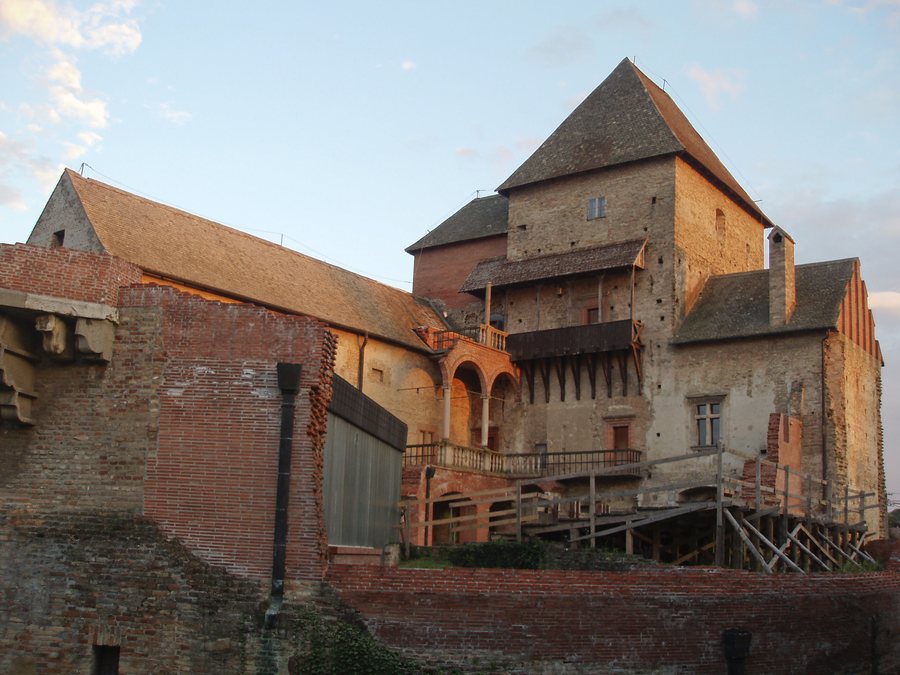
Simontornya, in Hungary’s Tolna County, is closely associated with its castle. A tower gave the settlement its name; later, surviving Renaissance features and today’s exhibitions were added. Nearby are a Baroque palace, a former Franciscan church and a local history museum. Anyone planning a trip should check museum opening times and whether the app is currently working, rather than assuming that historical building information means a programme is always available.
Simontornya at a glance
- The castle is listed as a national monument.
- A tower that gave the town its name was built in 1277.
- A Renaissance ensemble from the early 16th century has been preserved.
- The castle displays medieval life and documents from the Ottoman period.
- A Baroque palace dates from the 17th century.
- The local history museum is housed in an 18th-century building.
From Simon’s Tower to a Renaissance Castle
In 1277, Simon, son of Solomon, had a tower built under King Ladislaus IV. The town and tower were later named after him: Simontornya. The gate tower, old tower and stairwell form a surviving Renaissance ensemble from the early 16th century, described as unique in Hungary. The castle is listed as a national monument. This building history spans several centuries; the medieval tower and the later Renaissance features should not be reduced to the same construction date.
Exhibitions at the Castle
A larger room in the permanent exhibition explores medieval life in the castle. Another room preserves documents from the period of Ottoman rule. A modern shelter above the remains of the north wing houses a collection of stone artefacts. On the first floor of the palace wing, an exhibition of noble ancestral portraits from Tolna County includes full-length portraits of the Apponyi family. This brings the building’s history, everyday life and a later art collection together in one place, without confusing when each originated. A visitor app provides information about the castle grounds, the exhibition and the paintings. Check on site whether the app and all exhibition rooms are currently accessible.
More About the Buildings and Local History
Styrum-Linburg Palace is a Baroque building from the 17th century. The former Franciscan church is also listed as a national monument. Since 2006, the local history museum and an estate gallery have been permanently housed in an 18th-century building. Among other things, the museum covers the Fried family, who played a key role in developing leather production. The Tamási region overview provides further context. These cultural facts do not confirm accommodation options or current prices.
FAQ
Why is the town called Simontornya?
The name combines Simon, who had a tower built in 1277, with the word for tower.
What does the castle display?
Among other things, medieval life, documents from the Ottoman period, stone artefacts and noble portraits.
Are there other historic buildings?
Yes, a Baroque palace and the former Franciscan church are described.

