
Mesterháza: Architectural Heritage and Nature
Accommodation in Mesterháza
Mesterháza combines Neoclassical monuments and an important example of folk architecture with Natura 2000 sites that border the village to the north and south. Jekelfalussy Castle is privately owned and is not open to visitors.
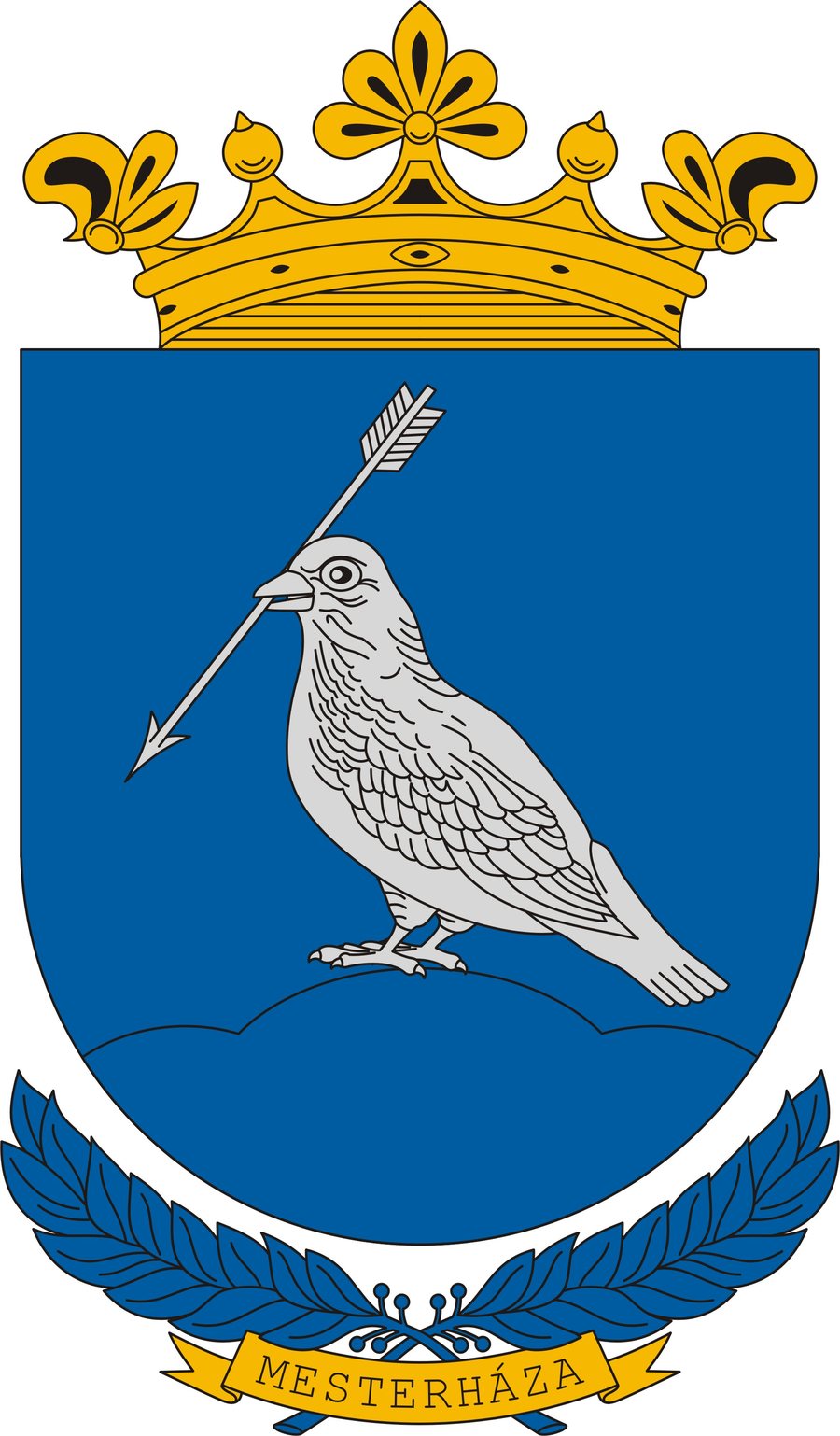 File:HUN Mesterháza COA.jpg
Photo: Nemzeti Fejlesztési Minisztérium via Wikimedia Commons, Public domain
Mesterháza at a glance
- Jekelfalussy Castle and the bell tower are listed Neoclassical buildings.
- The castle was built before 1842 and is not open to visitors.
- The house at 22 Petőfi Sándor Street dates from the late 19th century and is an important example of the village’s folk heritage.
- Natura 2000 sites border Mesterháza to the north and south; they are also part of the National Ecological Network.
What architectural heritage defines Mesterháza?
The castle and bell tower represent Neoclassical architecture and are protected buildings. The castle is recorded as having been built before 1842. It is privately owned and is not open to visitors. So, if you choose Mesterháza for its architectural history, the castle can be viewed as part of the local heritage, but not as a place to visit inside.
The house at 22 Petőfi Sándor Street offers a different period and architectural perspective. It dates from the late 19th century and is considered an important example of the village’s folk architecture. Two different building traditions are therefore in focus: listed Neoclassical buildings on the one hand, and a house representing the local folk heritage on the other.
How is the nature around Mesterháza classified?
Natura 2000 sites border Mesterháza to the north and south. These sites are also part of the National Ecological Network. Alongside information about architectural history, this geographical setting offers a second perspective on the village: the protected areas to its north and south.
What else does the wider Vas County destination have to offer?
The Írottkő Nature Park lies in the northwestern part of Vas County. It includes the entire 4,303-hectare Kőszeg Landscape Protection Area. This regional information complements the local details about Mesterháza with a broader landscape perspective.
The routes in the wider Vas County destination also have different focuses. The Termál Kerékpáros Túraút (Thermal Cycling Route) leads to five spa complexes in Vas County and combines cycling with visits to architectural and natural attractions, as well as other spas. The Vulkán-túra (Volcano Tour) leads to Kis-Somlyó, Ság-hegy and Belső-hegy. The routes can therefore be distinguished by their stated themes: spas and cycling on the one hand, and the three named volcanic hills on the other.
The wider Vas County destination is home to two internationally recognized thermal spas, in Bük and Sárvár, which are 25 kilometers apart. Bükfürdő is a standalone medical and tourism center and one of Hungary’s spa towns. Sárvári Gyógy- és Wellnessfürdő offers a wide range of medical, health-promoting and recreational services.
For culture enthusiasts, the wider Vas County destination brings together further architectural and museum-related attractions. Since opening in 1973, the Vasi Skanzen has rescued and rebuilt 43 buildings from 27 settlements. It showcases the rural way of life and folk architecture of Vas County from the past two centuries. The Romanesque church in Csempeszkopács was built around 1250; the Romanesque church of Ják Abbey was consecrated in 1256. The dates refer to different events: in the first case, the construction period, and in the second, the consecration.
The wider Vas County destination also offers specific ways to explore regional products and cuisine. The Natúrbolt in Jurisics Castle in Kőszeg showcases and sells Kőszeg wines, especially red wines, Hegyalja rapeseed and chestnut honey, gingerbread, and jams and syrups from Lukácsháza. The Vas County Tourism Association also provides a gastronomic map and an online search for recommended restaurants and wineries. Check the online recommendations before planning a specific visit.
Discover more destinations: Csepreg, Gór, Bő, Bük, Simaság, Lócs.
FAQ
Can you visit Jekelfalussy Castle?
No. The castle is privately owned and is not open to visitors.
Which buildings represent Mesterháza’s architecture?
Jekelfalussy Castle and the bell tower are listed Neoclassical buildings. The house at 22 Petőfi Sándor Street is an important example of the village’s folk heritage.
Where do Natura 2000 sites border Mesterháza?
They border the village to the north and south and are also part of the National Ecological Network.
Go to the wider travel overview: Csepreg.

