
Szarvaskend: Churches, Castle History and Protected Nature
Accommodation in Szarvaskend
The history of Szarvaskend is reflected in its churches, castle and old cellars; the northern outskirts are part of the Natura 2000 network.
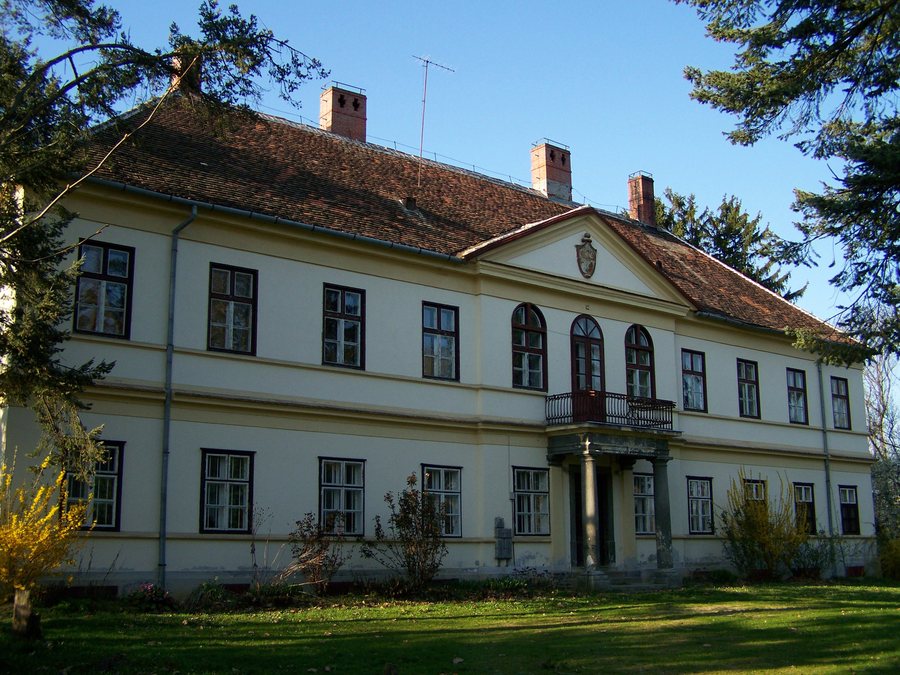 File:V. Sibrik-kúria (9350. számú műemlék).jpg
Photo: szabadoszoltan via Wikimedia Commons, CC BY-SA 2.5 hu
File:V. Sibrik-kúria (9350. számú műemlék).jpg
Photo: szabadoszoltan via Wikimedia Commons, CC BY-SA 2.5 hu
Quick facts about Szarvaskend
- The Sibrik family shaped the history and life of the village for centuries; the estate had belonged to them since the 15th century.
- The Roman Catholic Church of the Visitation of the Blessed Virgin Mary was built in the late 18th century in the late Baroque style.
- The Lutheran church was built in 1887, later demolished except for its tower, and rebuilt in 2002.
- Sibrik Castle is listed in the national register of historic monuments; five old cellars on the vineyard hill are listed in the register of monuments.
- A Natura 2000 site is located in the northern outskirts of Szarvaskend.
What stories do the churches and castle tell?
The two churches represent different periods of construction. The protected Church of the Visitation of the Blessed Virgin Mary is late Baroque and dates from the late 18th century. Its altarpiece is by Isvtán Dorfmeister. The Lutheran congregation had its church built in 1887. The building was later demolished, leaving only the tower; the church was rebuilt in 2002. These dates make the two building histories easy to compare without collapsing them into a single period.
The history of the Sibrik family is also closely tied to Szarvaskend: the family shaped village life for centuries, and the estate there had belonged to them since the 15th century. Sibrik Castle is listed in the national register of historic monuments. It housed a school for a long time; today it is also used as the seat of a joint municipal office. Five old cellars on the vineyard hill are listed in the register of monuments. Grape harvest festivals and processions have a long tradition in Szarvaskend.
What characterizes the nature around Szarvaskend?
The northern outskirts of Szarvaskend are part of the Natura 2000 protected areas network. The site includes the Csörnöc Valley, floodplain meadows and forests on the northern slope. It also includes areas along the streams that flow into the Csörnöc. The natural landscape thus encompasses a valley, meadows, forests and waterways.
The protected-area designation extends beyond these northern areas: together with the protected natural areas, a large part of Szarvaskend’s administrative territory is part of a nationally designated landscape protection area. For trip planning, this creates a clear thematic contrast with the village’s history of churches, castle and cellars: here the focus is on the protected landscape, while there it is on architectural and historical landmarks.
What else does Vas County have to offer?
Further facts about the wider destination of Vas County offer a regional perspective. Írottkő Nature Park is located in the northwestern part of Vas County. It includes the entire 4,303-hectare Kőszeg Landscape Protection Area.
Cycling and cultural history are also part of this broader picture. The Termál Kerékpáros Túraút cycling route leads to five spa complexes in Vas County and combines cycling with visits to architectural and natural attractions, as well as other spas. The Vasi Skanzen presents the rural way of life and folk architecture of Vas County over the past two centuries. Since opening in 1973, it has salvaged and rebuilt 43 buildings from 27 settlements.
Discover more destinations: Vasalja, Egyházasrádóc, Körmend.
FAQ
How do the two churches in Szarvaskend differ?
The Roman Catholic Church of the Visitation of the Blessed Virgin Mary was built in the late 18th century in the late Baroque style. The Lutheran congregation had its church built in 1887; after it was demolished except for the tower, it was rebuilt in 2002.
Which landscapes are part of the Natura 2000 site?
The site in the northern outskirts includes the Csörnöc Valley, floodplain meadows, forests on the northern slope and areas along the streams that flow into the Csörnöc.
How is Sibrik Castle used?
The castle housed a school for a long time. Today it is also used as the seat of a joint municipal office; it is also listed in the national register of historic monuments.
To the regional travel overview: Körmendi.

.jpg)