
Accommodation in Veszprém County
Accommodation in Veszprém
Wesprim is the German name for the Hungarian county of Veszprém. When choosing accommodation here, the first consideration is which area to stay in: a stay in the city of Veszprém, by Lake Balaton, near a karst cave or in the volcanic landscape of Badacsony involves different destinations and travel routes. A hotel in the county is not automatically by the lake or in the city. The specific landscapes and places to visit can help you choose a suitable base.
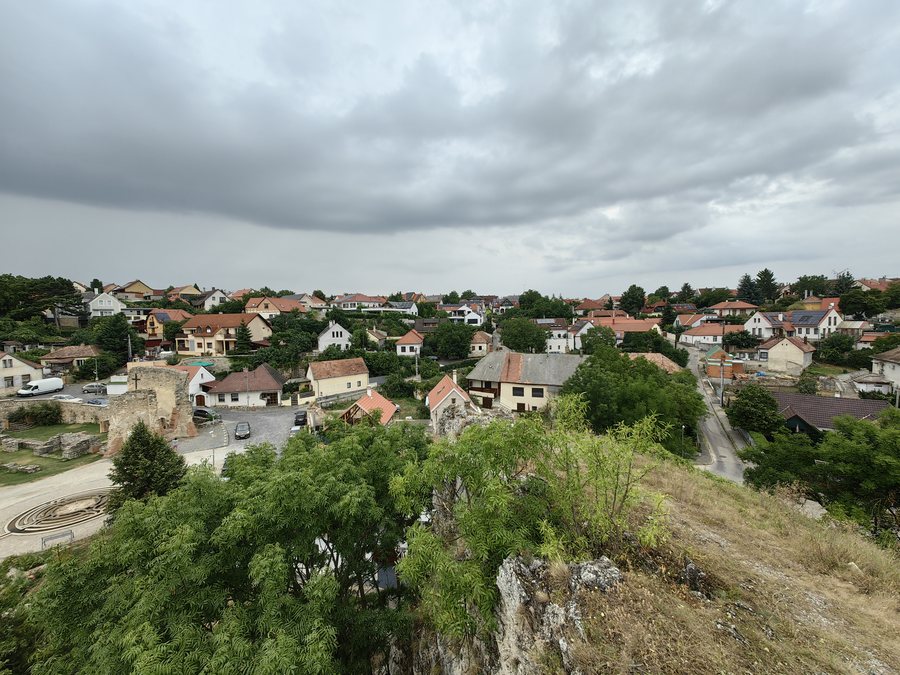
Veszprém: Castle Hill and Culture
Veszprém Castle was built on Castle Hill in the 10th and 11th centuries. The Cloisters and Gardens site comprises two renovated cloisters from the Árpád era, which can be visited via a landscaped walkway. Veszprém Zoo has the African Savannah playground, with zip lines, climbing frames, bouncy castles and a safari-striped zebra plane; Zoopedagógia events teach children about environmental and animal protection. Those looking to combine city history with a family destination will find two different activities in Veszprém. The Rovaniemi Stairs lead from Veszprém Valley up to Gulya Hill and run along the steep, wooded slope beside a playground.
For accommodation focused on this urban location, the Veszprémi location page offers a more precise way to narrow down the area. Other areas, such as Ajkai or Várpalotai, are separate next steps within the county; their names alone do not establish that they are equally close to the castle and zoo.
Lake Balaton, Tihany and Caves
The Tihany Peninsula divides Lake Balaton into two basins and became Hungary’s first nature reserve in 1952. Its Outer Lake is important for waterbirds. Nearby, Balatonalmádi and Balatonfüredi each have their own location pages to help you make a more specific accommodation choice. According to the information available, the Lóczy Cave can be reached from the centre of Balatonfüred in about five minutes by car or thirty minutes on foot along green-marked trails. These times apply to the centre, not every accommodation.
A strictly protected lake cave lies in Tapolca. Visitors can take a boat trip on its illuminated, bluish underground waters; the Visitor Centre explains karst landscapes. This is a different experience from a day by the open waters of Lake Balaton. If you want to make the cave your main destination, use the Tapolcai area page to narrow down the location. For the boat trip itself, access and an available time slot are essential; please respect the cave’s protected status.
Badacsony and Hegyestű
Badacsony is a 438-metre-high volcanic cone in the Tapolca Basin, with hiking trails and panoramic views. Its basalt formations are known as organ pipes; a special grape variety used to produce Badacsony wine grows on its slopes. The Hegyestű Geological Visitor Site offers views of Lake Balaton, Tihany, and the Káli and Tapolca basins. Marked trails lead to Hegyestű Hill from Zánka and Monoszló. These destinations differ from a purely beach-focused stay and call for suitable day planning to account for the routes and terrain.
Other Areas and Choosing Accommodation
Those wishing to explore the region in more detail can find separate location pages for Zirci, Sümegi and Pápai. These names are navigation points within the county; no specific attractions should be attributed to them without further location-specific evidence. When comparing a hotel or holiday home, check the actual address against your main destination—Veszprém, Lake Balaton, a cave or volcanic landscape—as well as the price, availability and amenities of the individual listing. The region is diverse, but for that very reason the county name is no substitute for choosing an exact location.

