
Zalaszentmihály: Church, Memorial Park and Trails
Accommodation in Zalaszentmihály
Gothic and Baroque traces, a memorial park and excursions to nearby villages give you various ways to plan your trip to Zalaszentmihály.
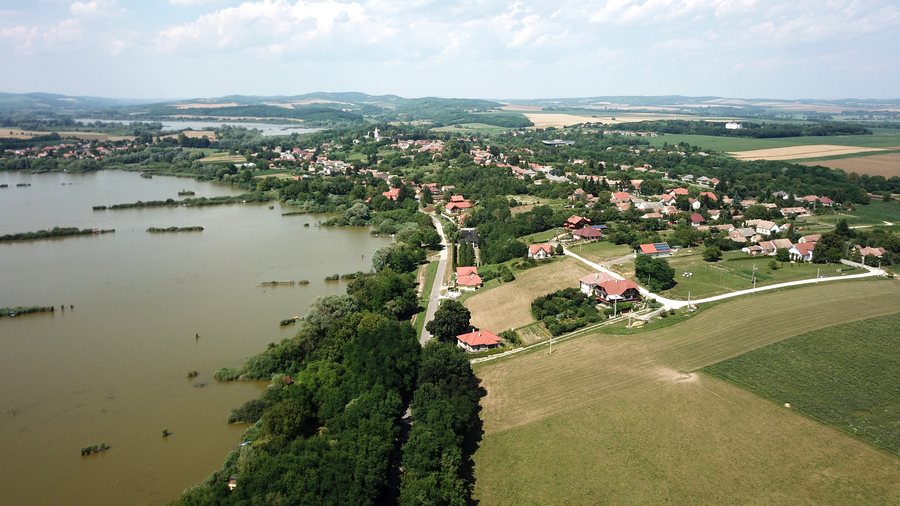
Zalaszentmihály at a glance
- The Szent Mihály-templom was built in the Gothic style in the 14th to 15th centuries; around 1760, it was remodelled in the Baroque style and given a tower.
- Opened in 2000, Millenniumi park commemorates the turn of the millennium and the fallen of the Second World War with two monuments.
- The fishing lake is considered the main attraction and was created on the site of a former peat mine.
- From Zalaszentmihály, you can set out on foot or by bicycle to the nearby villages of Pötréte, Felsőrajk and Pölöske.
What does the architectural history of the Szent Mihály-templom reveal?
The church’s history dates back to the 14th to 15th centuries, when it was built in the Gothic style. Around 1760, it was remodelled in the Baroque style, and a tower was added. The building thus brings together two clearly distinct architectural phases: its Gothic origins and its later Baroque alterations.
Distinctive architectural details include windows with fish-bladder tracery. They are located on the south wall and in the sanctuary. Those interested in architectural forms can look not only at the building’s development over time, but also at this tracery. The information about the windows adds a specific design feature to the building’s history.
What experiences await by the lake, on the hill and along the cycling route?
The fishing lake is Zalaszentmihály’s main attraction. Its creation on the site of a former peat mine links today’s body of water with the area’s former use.
The routes to nearby villages also offer a way to make your stay active: Pötréte, Felsőrajk and Pölöske are named as destinations for excursions on foot or by bicycle. The “Zala két keréken” cycling route also passes through Zalaszentmihály. Check the route conditions before setting out and relying on them in your plans.
At Szőlőhegy, activities include picnicking and watching the sunset. The hill is also home to the hilltop chapel, which has a statue of Saint Urban, the patron saint of winegrowers. The chapel and statue add a cultural note to the outdoor activities mentioned here. When planning, you can choose between a cycling trip, a walk to the nearby villages and a visit to Szőlőhegy, without approaching every experience in the same way.
What else does the wider Zala destination have to offer?
Other destinations in the wider Zala area offer additional perspectives on Zalaszentmihály. Kis-Balaton is Zala’s largest body of water, is strictly protected and covers 14,745 hectares. It is also the setting for István Fekete’s classic novels “Tüskevár” and “Téli berek”. Another natural feature in the wider Zala area is Lake Hévíz, the world’s largest biologically active natural thermal lake.
For a cultural highlight, visit Festetics kastély in Keszthely: with 101 rooms, it is Hungary’s fourth-largest castle. At the Kápolnapuszta Bivalyrezervátum, a 1.5-kilometre walking trail leads to rest areas and viewpoints. During opening hours, visitors can pet the tame animals every day. The Water Buffalo Festival takes place every year in May or June; dates may vary from year to year. Check the event dates if you would like to plan your trip around it.
Discover more destinations: Zalaigrice, Pölöske, Nagykapornak, Misefa.
FAQ
What window details can be found in the Szent Mihály-templom?
Windows with fish-bladder tracery are located on the church’s south wall and in its sanctuary.
Which villages can you visit from Zalaszentmihály on foot or by bicycle?
The destinations named are Pötréte, Felsőrajk and Pölöske. The “Zala két keréken” cycling route also passes through the village.
When does the Water Buffalo Festival take place in the wider Zala destination?
It takes place every year in May or June at the Kápolnapuszta Bivalyrezervátum. Dates may vary from year to year.
To the wider travel overview: Pacsai.

