
Staicele: Nature Monument, Livonian Culture and History
Accommodation in Staicele
Staicele brings together protected nature, Livonian cultural history and historical works of art. At Staiceles dzelzsavoti, ochre deposits and how they form take center stage; the museum, historic buildings and artworks offer other perspectives. These themes can help you decide which aspects of the town interest you for your trip planning.
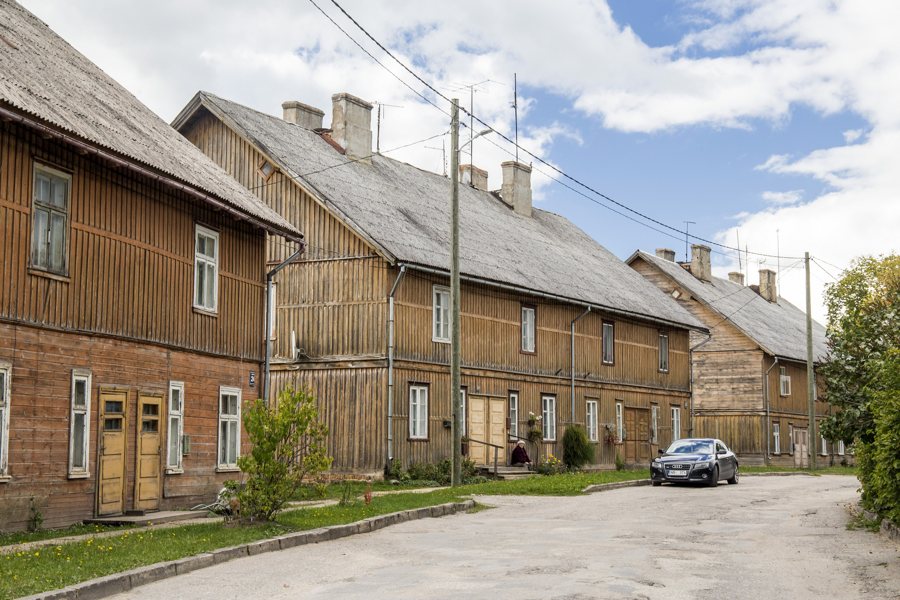
Staicele at a glance
Staiceles dzelzsavoti is a protected geological and geomorphological natural monument in the North Vidzeme Biosphere Reserve and the “Salacas ieleja” Nature Park. The spring ravines contain ochre deposits more than 1.5 meters thick, and their formation can be observed there. The Livonian Museum “Pivālind” is housed in one of the oldest buildings in Staicele’s historic center.
What makes the spring landscape distinctive?
The figure of more than 1.5 meters refers to the thickness of the ochre deposits in the spring ravines—in other words, the depth of the sediment layer. There is also another specific feature: the formation of the deposits can be observed at Staiceles dzelzsavoti. The landscape and geological process go hand in hand here, while the site is protected as part of the North Vidzeme Biosphere Reserve and the “Salacas ieleja” Nature Park. If you weigh nature and geology when choosing a destination, this subject offers a different focus from Staicele’s cultural history.
What can you learn at the Livonian Museum “Pivālind”?
At the Livonian Museum, visitors can learn how the name Staicele originated and how it relates to the Livonian cultural landscape of Vidzeme. The museum is housed in one of the oldest buildings in the historic center and offers guided tours of both the museum and the town. This connects the question of the town’s name with a broader cultural context. The tours offer two distinct ways to explore: inside the museum and around the town. If Livonian culture is of particular interest to you, the history of the name and its connection to Vidzeme are key topics to help guide your visit.
What historic traces and artworks can you see?
In 2011, the historic buildings of the Staicele paper mill on Lielā iela were designated a locally significant, state-protected urban architectural ensemble. Another form of cultural heritage is an outdoor exhibition of stone sculptures, created during sculpture symposia in 1999–2000. In the center of Staicele, there is also a monument to the Livonians of Vidzeme: Zigrīda and Juris Rapu created it as a stone boat with a little bird, and it was unveiled in July 2004. Here you can encounter different forms of heritage: a protected ensemble of historic buildings, an outdoor exhibition and a monument in the town center.
How are Latvian traditions represented?
The “Latvija – stārķu zeme” (Latvia – Land of Storks) experience park is dedicated to the values and traditions of the local population. Latvia’s five regions—Kurzeme, Latgale, Sēlija, Vidzeme and Zemgale—are symbolically represented by nests with metal storks. The symbolic display may change over time. Unlike the history of Staicele’s name at the Livonian Museum, the focus here is on regional traditions and their representation through nests and storks.
Discover more destinations: Aloja.
FAQ
What can you observe at Staiceles dzelzsavoti?
The spring ravines contain ochre deposits more than 1.5 meters thick, and their formation can also be observed.
What topics does the Livonian Museum “Pivālind” bring together?
Visitors can learn there about the origin of the name Staicele and its connection to the Livonian cultural landscape of Vidzeme.
What does the monument to the Livonians of Vidzeme look like?
It is a stone boat with a little bird, created by Zigrīda and Juris Rapu and unveiled in July 2004.
See the broader travel overview: Alojas Novads.

