
Discover Kuliai: Church, Literature and History
Accommodation in Kuliai
Kuliai combines church architecture with a rich literary and educational history. If you are looking for cultural experiences on your trip, you will find points of interest here ranging from historic buildings to guided tours.
Quick facts about Kuliai
- The Church of St. Bishop Stanislovas was built in 1900 and features Neoclassical design.
- The church grounds include a wooden, pentagonal bell tower and other buildings in the church complex.
- Kuliai began to develop in the late 16th century; the first church was built there in 1644.
- Guided tours focus, among other things, on Sofija Kymantaitė-Čiurlionienė and the history of the town.
What historical traces shape the town centre?
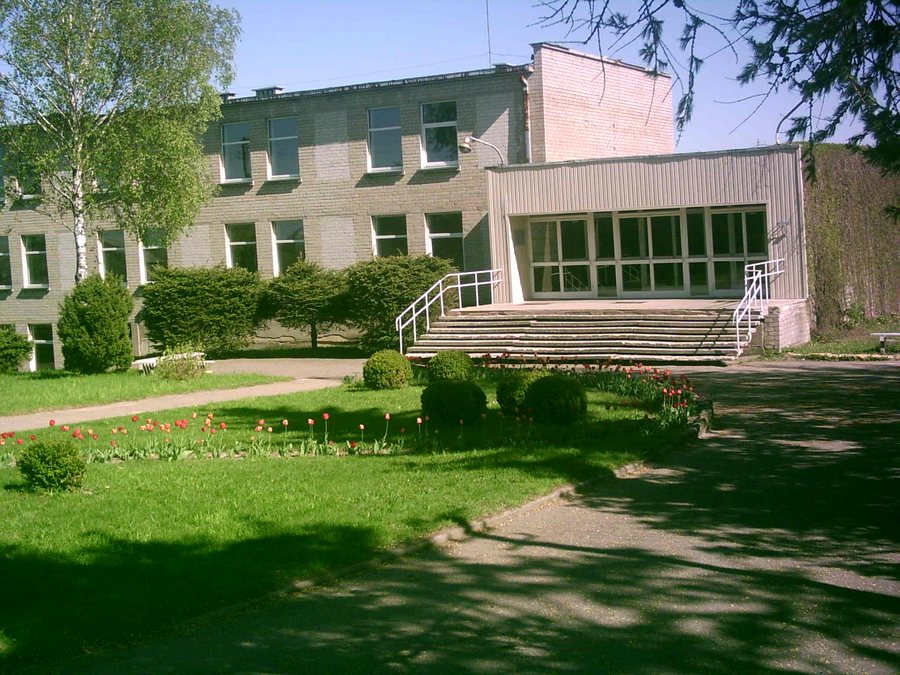
The Church of St. Bishop Stanislovas is an example of Neoclassical architecture. A wooden bell tower with a pentagonal floor plan stands in the courtyard. The complex also includes Kultūros virenė, historically known as the “White House” or the “Fireproof House.” An authentic, preserved house feature in Kultūros virenė is among the largest in Žemaitija. Together, the church, tower and buildings provide several distinct architectural points of interest in the town.
The church park also preserves memories of people from the town’s history: sculptural installations commemorate historical figures who lived in Kuliai. The buildings and installations offer different points of focus—architecture in one case, and remembrance of individuals in the other.
Several milestones are important for placing the town’s history in context: Kuliai began to develop in the late 16th century, and the first church was built there in 1644. The present-day Church of St. Bishop Stanislovas dates from 1900. These dates mark different periods in the town’s history.
What literary and educational history can you discover?
In the 19th century, the priest and educator Kazimieras Skrodskis carried out extensive educational work in Kuliai. After Juozas Tumas-Vaižgantas arrived in 1898, Kuliai became a centre of the book-smuggling movement. The writer Sofija Kymantaitė-Čiurlionienė grew up and received her education in Kuliai, making her life story closely connected with the town.
The Kuliai Cultural Centre hosts the “Kulių krašto muziejus” exhibition. It has been running, with interruptions, for around six decades. Those interested in literature and local history can consider Sofija’s biography alongside Kuliai’s longer history: one leads to a particular person, the other to the town’s development and places of remembrance.
Which guided tours can you include in your plans?
The “Sofijos Kymantaitės-Čiurlionienės Kuliai” tour covers Sofija’s childhood and her first Lithuanian-language teacher. Other topics include the circumstances of Mikalojus Konstantinas Čiurlionis’ arrival in Kuliai and the location of Sofija and Konstantas’ “Honey Meadows.” The tour also takes you into the room where Sofija lived. It must be booked in advance.
“Kuliai – nuo akmens iki rašmens” offers a different perspective: this tour invites you to get to know Kuliai at a leisurely pace and hear stories about its authentic, preserved buildings and the people who lived there. The tours therefore have different focuses: one follows Sofija’s life story, while the other connects the town’s buildings and residents.
Discover more destinations: Grumbliai.
FAQ
In which languages is the tour about Sofija offered?
It can be conducted in Samogitian, Lithuanian or English. The tour must be booked in advance.
Where does the educational activity “Sofijos kafija su senoviniais pyragėliais” take place?
Offered as an optional activity alongside the tour, it takes place at Kultūros virenė or beneath the Vaižgantas oaks. This activity must also be booked in advance.
What can you expect from “Kuliai – nuo akmens iki rašmens”?
The tour introduces Kuliai through its authentic, preserved buildings and stories about the people who lived there. It is designed to help you get to know the town at a leisurely pace.
For the broader travel overview: Plungės rajono savivaldybė.

