
Discover Smalvos: lakes, a bell and an October gathering
Accommodation in Smalvos
Smalvos can be understood through specific natural and cultural details: several lakes lie nearby, and a bronze bell cast in 1780 still rings in the church. The recreation area at Smalvykštis adds to the picture of the surrounding area.
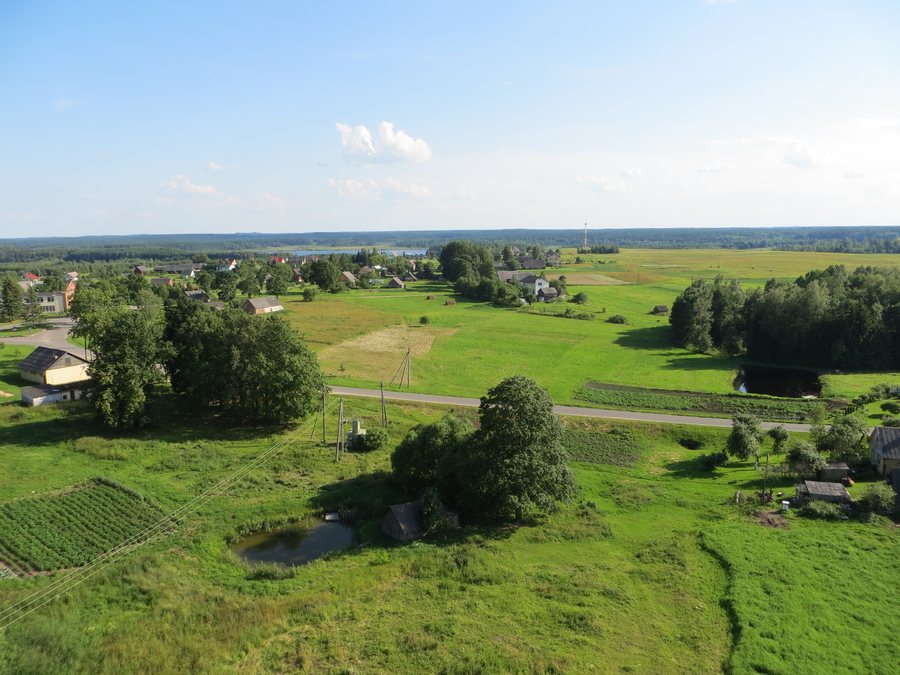 File:Smalvos 32400, Lithuania - panoramio (10).jpg
Photo: VietovesLt via Wikimedia Commons, CC BY 3.0
Smalvos at a glance
- Many lakes lie nearby; the largest include Smalvas, Smalvykštis, Kiaulinis and Gilutis.
- A recreation area is located at Smalvykštis, near Smalvos.
- A bronze bell cast in 1780 in the bell tower of Smalvos church continues to ring.
- A traditional gathering of people from the region is associated with early October.
What does the recreation area at Smalvykštis offer?
A recreation area is located at Smalvykštis, near Smalvos. Its facilities include changing cabins, a bathing pier, a sandbox, a toilet, and a table with benches. In summer, holidaymakers, anglers and families with children visit the site. If you include this place in your plans, check the condition of the facilities on site.
Which lakes are near Smalvos?
There are many lakes in the area around Smalvos. The largest include Smalvas, Smalvykštis, Kiaulinis and Gilutis. Smalvykštis appears in two contexts: as one of the larger lakes mentioned and as the lake where the recreation area is located. This distinction helps set the broad lake landscape apart from a specific, named body of water.
What makes the church bell in Smalvos distinctive?
The church “Smalvų Švč. Mergelės Marijos Rožančinės bažnyčia” is located in Smalvos. An old bronze bell, cast in 1780 by Vilnius bell-founder Antanas Apanavičius, hangs in its bell tower and continues to ring. It bears a relief of Saint George, the name of the parish priest Petras Žvaginas, and the Latin motto “IN OMNIA TERRAM EXIVIT SONVS EORVM”.
The details can be read on three levels: the casting year and founder provide a specific clue to how it was made, the relief depicts Saint George, and the priest’s name and motto add a written reference. Craftsmanship, a religious image and a Latin inscription thus come together on one object. The fact that the bell continues to ring is also part of this cultural detail.
When is the traditional gathering relevant to your plans?
A traditional gathering of people from the region is associated with early October. Locals and people who have moved away from Smalvos travel there for it. Dates and the programme may vary. If the gathering is a reason for your trip, check the specific dates and programme in advance before planning your trip around it.
How can you include Smalvos in your accommodation search?
Consider whether Smalvos itself, the gathering or the lake with its recreation area is especially relevant to your plans.
Discover more destinations: Suviekas, Zabičiūnai and Dusetos.
FAQ
Which lakes are among the largest near Smalvos?
Smalvas, Smalvykštis, Kiaulinis and Gilutis are among the largest lakes in the area.
What facilities are available at the recreation area?
There are changing cabins, a bathing pier, a sandbox, a toilet, and a table with benches. The area is located at Smalvykštis, near Smalvos.
What makes the church bell distinctive?
The bronze bell cast by Antanas Apanavičius in 1780 bears a relief of Saint George, the name of the parish priest Petras Žvaginas and a Latin motto; it continues to ring.
When is the traditional gathering?
The gathering is associated with early October. Dates and the programme may vary; check both if you are planning your trip around it.
Go to the regional travel overview: Zarasų rajono savivaldybė.

