
Semeliškės between churches, river and lakes
Accommodation in Semeliškės
Semeliškės combines a protected historic townscape, two churches of different architectural styles, and a fast-flowing river landscape. If you are comparing accommodation for a stay, this overview provides guidance on the cultural and natural features that define the town.
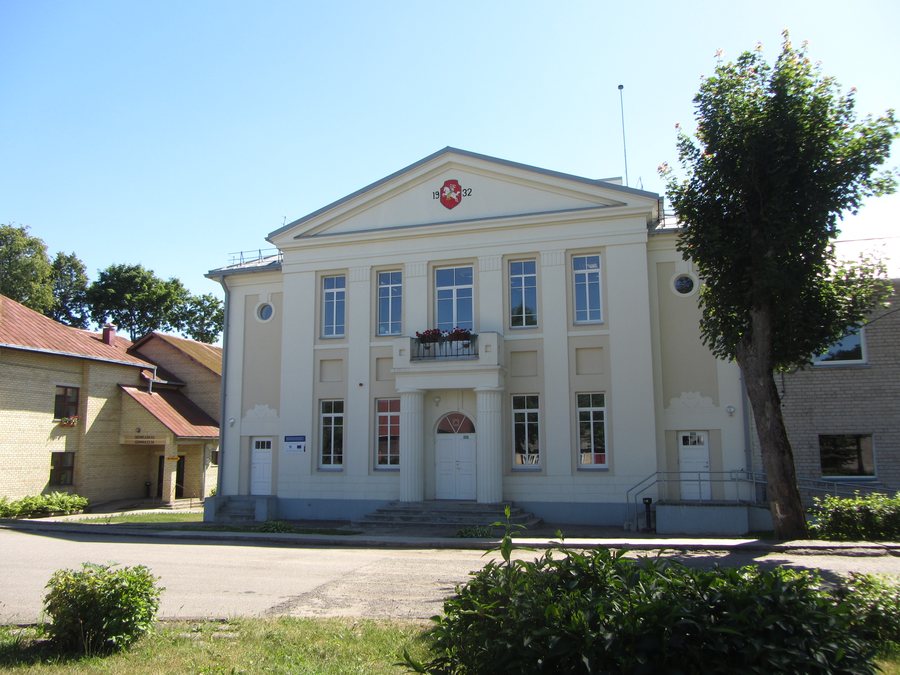
Semeliškės at a glance
- The wooden Church of St. Laurynas was built in 1723 and is one of Lithuania’s oldest wooden churches.
- The historic town center is a state-protected urban complex.
- The fast-flowing Strėva runs through Semeliškės.
- Lake Nestrėvantys lies east of the town; the smaller Lake Beržuolio is to the north.
- Semeliškės was named “Lithuania’s Small Capital of Culture” for 2026.
Which buildings define the town’s historic character?
The Church of St. Laurynas is a notable example of Lithuanian wooden architecture: it dates from 1723. Its bell has its own, considerably earlier date: it was cast in 1442. The construction date and the bell’s casting date provide two distinct historical reference points as you explore the town’s history.
The Church of St. Nicholas the Wonderworker offers a different architectural style. Its stone building is connected to the bell tower. Semeliškės is therefore home to both a historic wooden structure and a stone church building. Together with the state-protected historic town center, these buildings provide a tangible way to explore the town’s architectural and local history, without implying a particular walking route.
How are the river and lakes situated?
The Strėva flows swiftly through Semeliškės. Its right-bank tributaries include Luknia, Beržuolė, Dubreika, Dumblė, Kalpė and Žiežmarė; its left-bank tributaries are Dabinta, Vuolasta, Spengla, Kiementa, Kertus and Limšius. The river is therefore an integral part of the town’s description, while the lakes provide additional orientation in the surrounding area.
Lake Nestrėvantys, the largest lake in the area, lies east of Semeliškės. The smaller Lake Beržuolio is to the north. These locations help you distinguish the two lakes from each other and place them in relation to the town. When planning your accommodation, you can therefore decide whether you are mainly interested in the historic buildings and river within the town, or whether you also want to consider the surrounding landscape and its lakes.
What cultural events are listed for 2026?
Semeliškės was named “Lithuania’s Small Capital of Culture” for 2026. The designation applies to that year; in itself, it does not indicate a specific event calendar. One explicitly dated event was the 25th “Nuo Lauryno iki Roko” Festival, scheduled to take place in Semeliškės from August 10 to 16, 2026.
The festival program for 2026 also included the ninth open-air art symposium, with professional artists from Lithuania. The information about the festival and symposium offers a sense of the town’s cultural themes in their temporal context. If your visit depends on an event, it is a good idea to check its dates before planning your trip.
What should you consider when choosing accommodation?
Semeliškės offers several points to consider as a travel destination: its protected local history, church architecture, the river in town, and lakes in the surrounding area. When comparing hotels or other accommodation, you can start by thinking about which of these features matter to your stay. The historic buildings and the river description relate to Semeliškės itself; the lakes provide additional context beyond the town description.
If you would like to compare other destinations: Elektrėnai, Daugirdiškės.
FAQ
What makes the Church of St. Laurynas special?
The wooden church was built in 1723 and is one of Lithuania’s oldest wooden churches. Its bell was cast as early as 1442.
Where are the two lakes located in relation to each other?
Lake Nestrėvantys lies east of Semeliškės. The smaller Lake Beržuolio is north of Lake Nestrėvantys.
Which event was scheduled for August 2026?
The 25th “Nuo Lauryno iki Roko” Festival was scheduled to take place in Semeliškės from August 10 to 16, 2026.
For the broader travel overview: Elektrėnai Municipality.

.jpg)