
Pavoverė: River, Forests and History
Accommodation in Pavoverė
Pavoverė brings together the history of an old settlement with a river and forests. The former manor site, church and named landscape features give you concrete points of reference for viewing the place through your own travel interests.
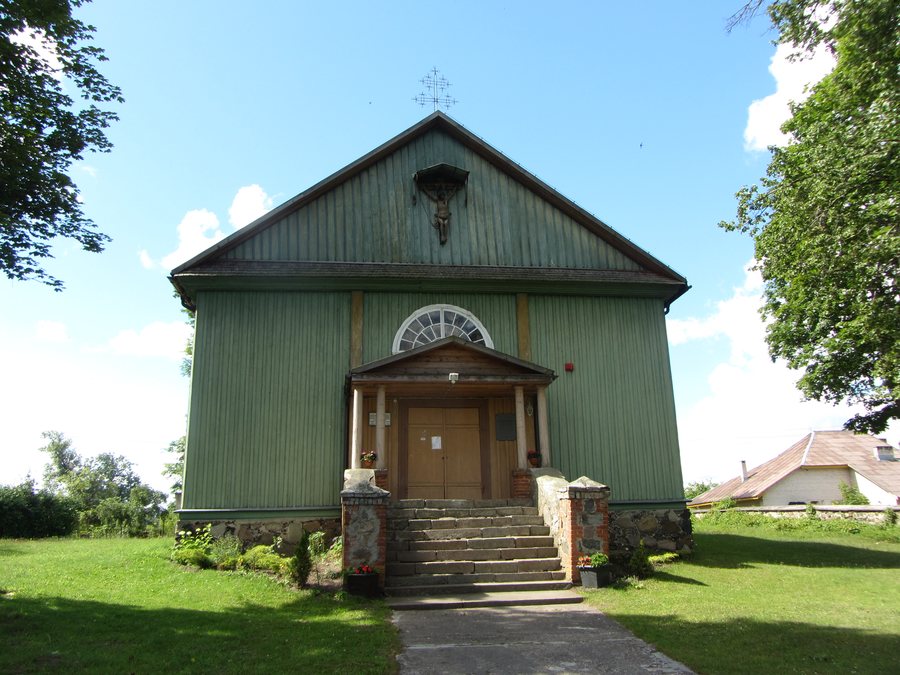 File:Pavoverė 18187, Lithuania - panoramio (1).jpg
Photo: VietovesLt via Wikimedia Commons, CC BY 3.0
Pavoverė at a glance
- Pavoverė is an old settlement; the former manor site is called Sorokpolis.
- The Sorokpolis manor belonged to the Sorok family.
- On 15 December 1867, Juzefas Klemensas Pilsudskis was baptised at the church in Pavoverė.
- The bell tower was built somewhat later than the church and is an architectural monument of local significance.
- The Voverė flows through Pavoverė; three named forests surround the settlement.
- A cycling and walking path runs between Pabradė and Pavoverė.
What historical traces can you find in Pavoverė?
Sorokpolis is the name of a former manor site in Pavoverė; the manor belonged to the Sorok family. These are two distinct details about the settlement’s history: the name refers to the former manor site, while the family association identifies who owned the manor. Together, they provide a concrete historical point of reference. Those interested in the history of settlements can therefore view Pavoverė not only as a place defined by its landscape, but also through its former manor site.
What does the church tell us about Pavoverė?
Another historical trace leads to the Church of St. Casimir in Pavoverė. On 15 December 1867, Juzefas Klemensas Pilsudskis, the future Polish Marshal, was baptised there. The date and place of his baptism provide a precise biographical connection to the local church’s history. The bell tower’s construction history adds another detail: it was built somewhat later than the church and is an architectural monument of local significance. Two different historical aspects therefore come together here: an event in the life of a later well-known figure and the tower’s own architectural significance.
How should you view the river and forests?
The Voverė flows through Pavoverė and is a tributary of the Žeimena. The three forests surrounding the settlement are named Kulniškių, Žvirzdžiūnų and Pavoverės. The river and forests offer different geographical points of reference: the Voverė runs through the settlement, while the forests define its surroundings. So when comparing destinations by their landscape features, in Pavoverė you can consider both a specific waterway and an area with several named forests.
What routes are associated with Pavoverė?
A cycling and walking path runs between Pabradė and Pavoverė. In addition, a route section from Pavoverė to Santaka was listed in a project described in 2015. The two details have different emphases: the path between the settlements specifies the type of path and the places it connects, while the section to Santaka specifies the route and its project context. If you would like to include this particular section in your plans, it may be helpful to check current route information.
This overview can help you decide on a destination; you can then choose accommodation to suit your personal travel plans.
Discover more destinations: Berniūnai, Kiauneliškis, Stanislavavas.
FAQ
Which river flows through Pavoverė?
The Voverė flows through Pavoverė and is a tributary of the Žeimena.
What is Sorokpolis?
Sorokpolis is the name of the former manor site in Pavoverė. The manor belonged to the Sorok family.
What route information is available for Santaka?
A route section from Pavoverė to Santaka was listed in a project described in 2015.
Back to the broader travel overview: Švenčionių rajono savivaldybė.

