
Maišiagala: Culture and History
Accommodation in Maišiagala
Maišiagala offers cultural points of interest ranging from educational activities for children and young people to the archaeological history of a hillfort. As you plan your trip, you can explore biographical and church history, music, and historical heritage.
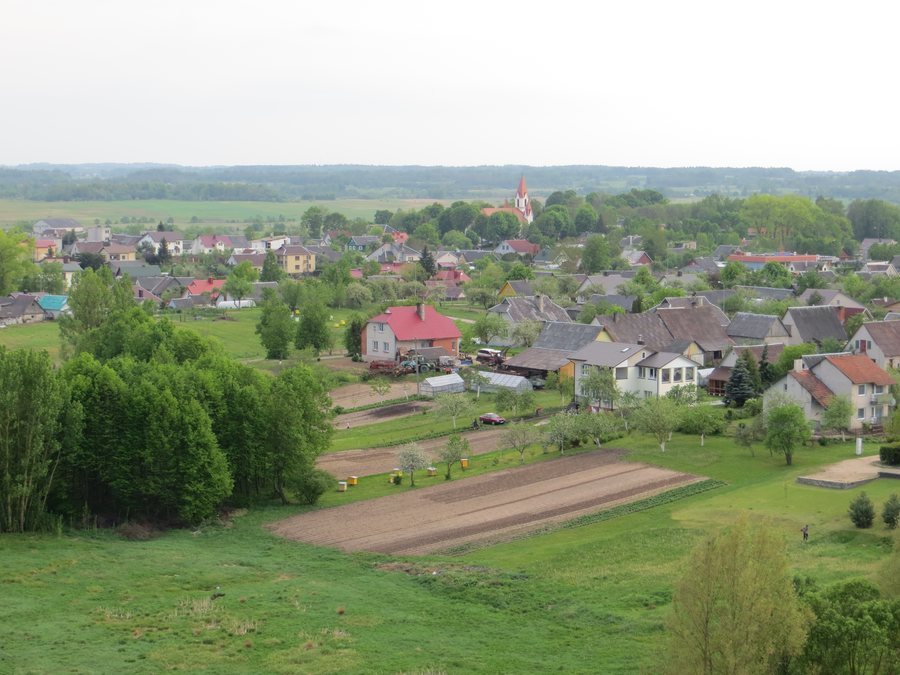
Quick Facts About Maišiagala
- The Museum of Priest and Prelate Juozas Obrembskis documents his life and preserves artefacts that recall difficult times for the Church in the 20th century.
- The museum offers educational activities for children and young people; current programme details may vary.
- Concerts by the “Mejszagolanka” ensemble are held at the Traditional Crafts Centre in Maišiagala; event dates may vary.
- Archaeological finds show that the history of the hillfort began in the first millennium AD. In 1992, it was recognised as an architectural, historical and monumental heritage site.
- At the foot of the hillfort stands a fieldstone monument to Grand Duke Algirdas, by sculptor Domas Čiapas.
Which Cultural Themes Take Centre Stage?
The Museum of Priest and Prelate Juozas Obrembskis combines a biographical focus with remembrance of Church history. It documents his life and preserves artefacts that recall difficult times for the Church in the 20th century. It also offers educational activities for children and young people. The museum therefore explores two themes: the life story of a particular person and the history of the Church during a difficult century.
Another cultural highlight is the concerts by the “Mejszagolanka” ensemble at the Traditional Crafts Centre in Maišiagala. Here, music takes centre stage as an event, while the museum’s exhibits cover a person’s life, artefacts, and remembrance of Church history. If you would like to plan your trip around a concert, it is worth checking the dates against your travel dates.
What Story Does the Hillfort Tell?
Archaeological finds show that the history of the hillfort began in the first millennium AD. It was recognised as an architectural, historical and monumental heritage site in 1992. These details highlight different aspects: the finds point to the hillfort’s long history, while the recognition identifies three aspects of its heritage status.
A specific work of art is also connected with the hillfort: at its foot stands a fieldstone monument to Grand Duke Algirdas, created by Domas Čiapas. This offers two distinct cultural perspectives: the archaeological history of the hillfort and a monument with a named historical connection and artist.
What Should You Bear in Mind When Planning Your Visit?
Concert dates may vary. Details of the current educational activities for children and young people may also change. If either of these offerings is important to your trip, check the relevant dates or programme details in advance. By contrast, the history of the hillfort and the description of the museum’s artefacts offer enduring cultural themes that are not tied to a specific event date.
Discover more destinations: Grigiškės, Nemėžis.
FAQ
What does the Museum of Priest and Prelate Juozas Obrembskis document?
It documents his life and preserves artefacts that recall difficult times for the Church in the 20th century.
Who are the museum’s educational activities for?
They are for children and young people. Current programme details may vary.
What is known about the history of the hillfort?
Archaeological finds show that the history of the hillfort began in the first millennium AD. In 1992, the hillfort was recognised as an architectural, historical and monumental heritage site.
To the overview of the wider travel area: Vilnius District Municipality.

.jpg)