
Kępno
Accommodation in Kępno
Kępno combines a historic urban layout with a museum, distinctive buildings and two designated hiking trails. If you would like to include culture and outdoor activity in your trip, you will find various starting points here for exploring the city.
Key facts about Kępno
- Kępno is located on the Niesób River, also known locally as the Samica, on the Wysoczyzna Wieruszowska.
- A square market square with an area of 1 hectare is a defining feature of the historic urban layout.
- The city museum features a permanent exhibition on the history of Kępno, as well as exhibitions on Jewish heritage and Potworowski.
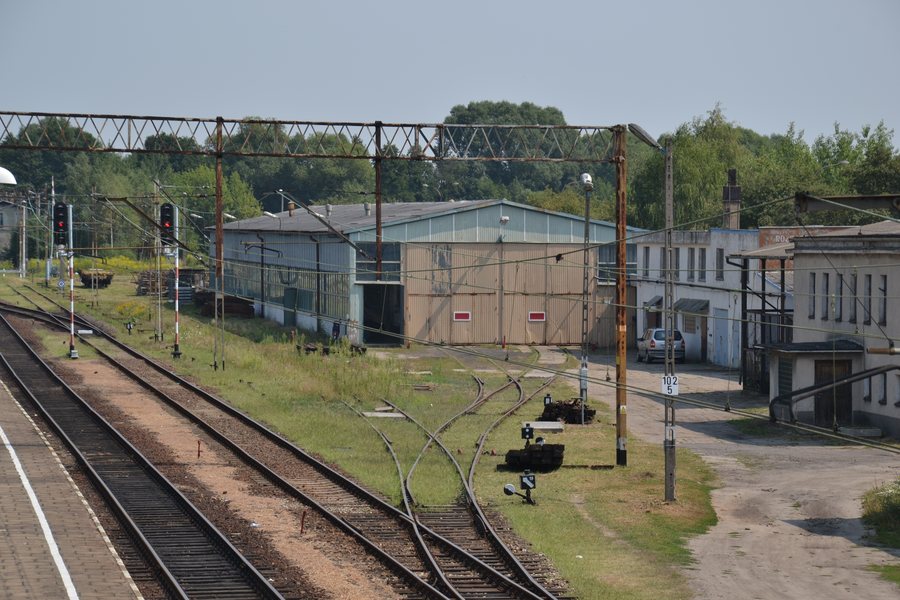
- Two Wielkopolska trails lead through Kępno; the train station is a rare example of a two-storey railway station.
What city history can you discover in Kępno?
The Muzeum Ziemi Kępińskiej im. T. P. Potworowskiego is located in the city center, on the market square. Its building was constructed in 1846 and served as the town hall until 1975. The permanent exhibition “Z historii Kępna” focuses on the city’s history. The exhibitions “Dziedzictwo Żydowskie w Kępnie” and “Kolory Potworowskiego” provide further thematic focuses.
The city’s buildings also reflect different styles and eras. The synagogue was built in 1814–1815 to replace an earlier wooden synagogue. Its monumental Tuscan portico refers to the façade of the opera house in Potsdam. The town hall on the market square dates from 1835: the two-storey brick building is designed in a classical style and has a clock tower at its center.
The present Roman Catholic Church of St. Martin was built in 1911 in the Neo-Baroque style. Its furnishings include a main altar from the 18th century and Baroque sculptures from earlier altars. Further examples of Kępno’s architectural history include the present post office building, built in 1888–1889 in the Neo-Renaissance style, and the 42.5-meter-high water tower. Its design combines Neo-Gothic elements with subtle Romanesque references; the roof draws on Baroque design.
Which trails and green spaces are available for your exploration?
The yellow Wielkopolska hiking trail WK, OP, ŁD-193y runs through Kępno. Its route passes, among other places, over the Kępno viaduct at the train station and crosses the Samica River. The blue Wielkopolska trail WK-3672N runs from the main train station via the Kopiec to the Przemysłowa housing estate. These waypoints offer different reference points for planning, without providing information about route length or walking time.
The Kopiec is located northwest of Kępno. Remains of a medieval fortification that existed between the first half of the 13th century and the second half of the 15th century have been preserved there. If you are interested in history, you can consider this place as an additional point of interest alongside the buildings in the city.
For a break in the city, the city park offers paved paths and walking trails, as well as park lighting. There is also an outdoor fitness area with equipment specially adapted for older people. Alongside the historic buildings, walks and outdoor exercise are also options to consider during your stay.
What should you keep in mind when finding your way around the city?
With its square shape and area of 1 hectare, the market square is a defining part of the historic urban layout. The town hall stands in its center. Two railway lines meet at the train station; their separate platforms are at different heights. This unusual layout is a distinctive feature of the station. You can prioritize the buildings, museum and trails according to your interests rather than focusing your stay on a single theme.
For pages about other places, you can also visit Bralin and Baranów. Another destination page is Pustkowie Kierzeńskie.
FAQ
What exhibitions does the museum in Kępno show?
The museum features the permanent exhibition “Z historii Kępna”, as well as “Dziedzictwo Żydowskie w Kępnie” and “Kolory Potworowskiego”.
Where do the Wielkopolska trails run in Kępno?
The yellow trail passes, among other places, over the viaduct at the train station and crosses the Samica. The blue trail runs from the main train station via the Kopiec to the Przemysłowa housing estate.
What is special about the Kępno train station?
At the rare two-storey railway station, two railway lines intersect. The separate platforms are at different heights.
For the overarching travel overview: Kempen.

_Lichen99.jpg)