
Maniewo
Accommodation in Maniewo
Maniewo can be understood through its surviving village structure and several historical landmarks. The medieval layout is oval in shape, and the parish church is a masonry building dating from 1876. A reliquary from the 18th century and the local educational trail add further points of cultural interest. When looking for accommodation, you can also consider which of these subjects matter most to your travel plans.
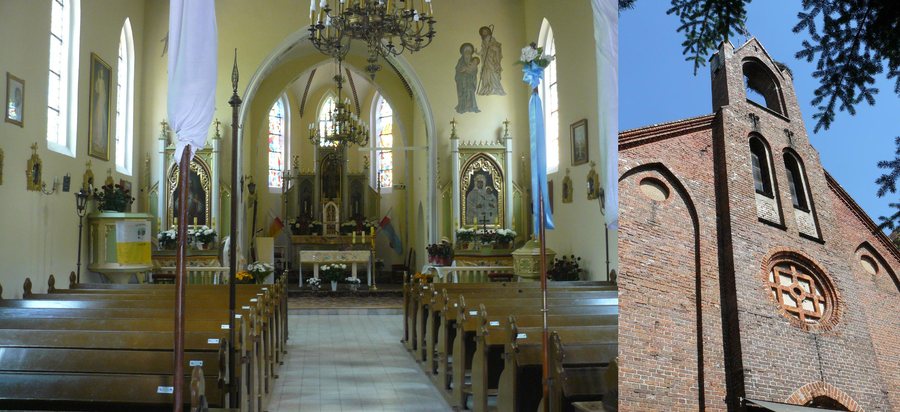
Maniewo at a glance
- The oval medieval village layout has survived to this day.
- The parish church is a masonry building dating from 1876 and is surrounded by a brick wall.
- The church houses a reliquary in the form of a bust of St. Nicholas from the 18th century.
- St. Nicholas Church is listed as stop 18 on the historical educational trail through the municipality of Oborniki; the address given is Maniewo 3.
Which historical traces shape the village?
Maniewo’s history can be explored through different dates and types of evidence. The village was initially a royal village and belonged to the Knights Hospitaller of Poznań from 1360. The surviving oval layout reflects a medieval village structure, while the parish church, built in 1876, is a later building with a precise date. These details describe different things: one concerns the village’s shape, the other the construction date of a single building.
The church also has its own historical connection. The reliquary is shaped as a bust of St. Nicholas, dates from the 18th century, and was brought to Maniewo from the dissolved church in Radzim. The village’s cultural landmarks therefore include both the architecture of the parish church and an older religious object originating outside the village. Those interested in history and church art can find different points of interest in these details, without needing to group them into a single period.
What can you learn about the church and educational trail?
The parish church can be described by its construction and surrounding wall: it is built of masonry and enclosed by a brick wall. The year 1876 provides a clear date. The reliquary, in turn, draws attention to a particular item of church furnishings and its history. If you are interested in religious buildings, these details show different aspects of the village: its building style, the date of construction, and the origins of a historical object.
St. Nicholas Church in Maniewo is listed as stop 18 on the historical educational trail of the municipality of Oborniki. The address given is Maniewo 3. This listing helps visitors recognize the church as a designated stop on the trail. It also provides a specific location for travel planning. Together with the oval village layout, it offers a picture that takes into account both an individual building and the village’s traditional form.
Discover more destinations: Wargowo, Rogoźno, Oborniki, Jaracz.
FAQ
When was the parish church in Maniewo built?
The masonry parish church dates from 1876 and is surrounded by a brick wall.
What is known about the reliquary of St. Nicholas?
It is shaped as a bust, dates from the 18th century, and was brought to Maniewo from the dissolved church in Radzim.
What address is given for St. Nicholas Church on the educational trail?
The church is listed as stop 18 on the historical educational trail through the municipality of Oborniki. The address given is Maniewo 3.
See the broader travel overview: Obernigk.

