
Poznań: Discover Culture and History
Accommodation in Poznań
In Poznań, you can explore culture from different perspectives: the Imperial Panorama offers an experience of a historical form of 3D viewing, museums display art and archaeological traces, and a live demonstration is part of a visit to the Croissant Museum & Experience. You can choose what to see based on your interest in the history of images, collections, the city’s history or knowledge about pastries.
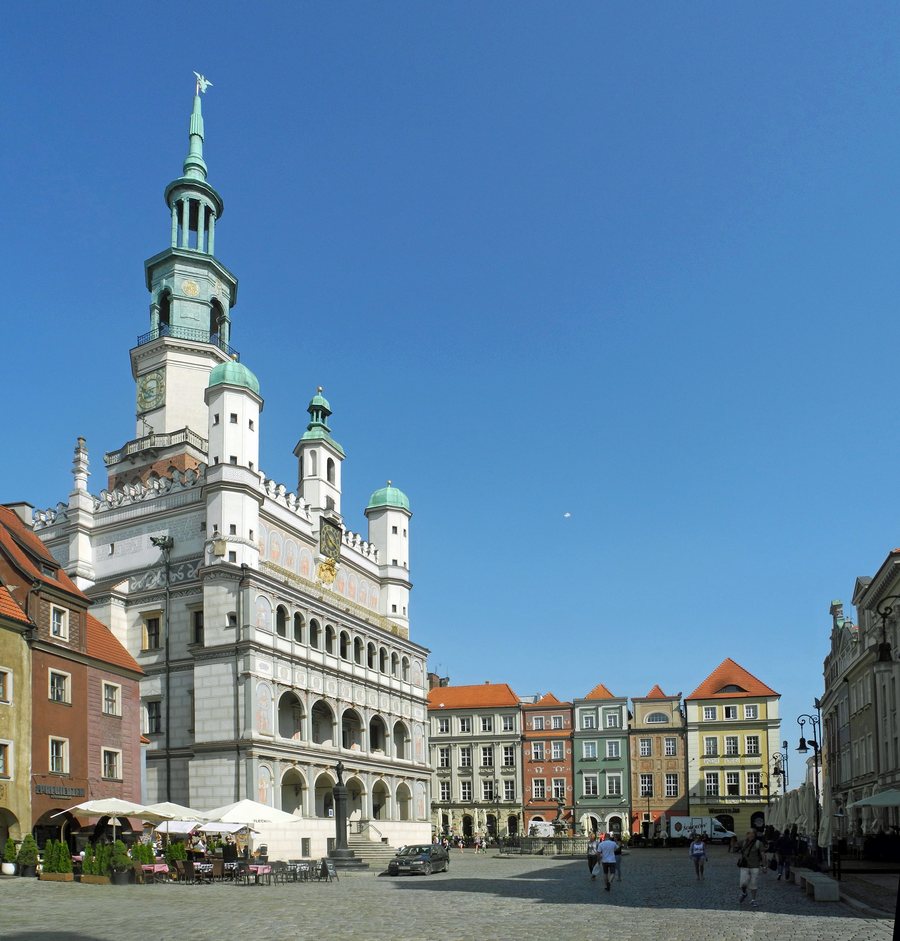
Poznań at a glance
At the Imperial Panorama, you can view photographs in 3D without modern technology; it is more than 100 years old. The Archdiocesan Museum presents religious art from the Middle Ages to the modern era and also owns paintings, textiles, and vessels made of silver and gold. At the Genius loci Archaeological Reserve, you can see remains of 10th-century fortifications and Gothic walls. A live demonstration about the history and taste of the Rogal świętomarciński, or St. Martin’s croissant, is part of a visit to the Poznań Croissant Museum & Experience.
Which cultural experiences offer different highlights?
The Imperial Panorama focuses on photographs and how they are viewed spatially: you can see the images in 3D without the use of modern technology. The attraction is also more than a century old. This makes the act of viewing itself a subject, setting the panorama apart from places where artworks or archaeological remains take center stage.
The Poznań Croissant Museum & Experience focuses on a pastry. Its live demonstration explores the history and taste of the Rogal świętomarciński. The focus here is therefore different from that of viewing historical photographs: the demonstration is devoted to a specific pastry and its history. If you sort your cultural interests, you’ll find different highlights: a historical way of viewing, collection objects, and a demonstration about the St. Martin’s croissant.
What do the collections and historic sites reveal?
The Archdiocesan Museum presents religious art from the Middle Ages to the modern era. Its collection also includes modern Polish and European paintings, textiles, and vessels made of silver and gold. Gothic sculptures and paintings from the 14th and 15th centuries offer a more precise historical context. The collection is considered the most extensive ensemble of its kind in this part of Poland. The building also has historical significance: the museum is housed in the former Lubrański Academy, dating from the 1520s. The same building brings together religious art spanning several periods, a variety of materials, and a historic structure.
The Genius loci Archaeological Reserve houses an original archaeological site within modern architecture. You can see remains of 10th-century wooden and earthen fortifications, as well as Gothic walls in the Bishop’s Quarter. The dates help distinguish between the remains: the fortifications date from the 10th century, while the walls are Gothic. The reserve also displays archaeological finds excavated on Cathedral Island and in the Śródka district. A visit therefore includes the site itself, structural remains, and objects from excavations; the finds come from the two areas named above.
Discover more destinations: Grunwald, Czmoń, Sapowice, Strykowo, Plewiska, Chomęcice, Rokietnica and Promienko.
FAQ
What can you see at the Imperial Panorama?
You can view photographs there in 3D without modern technology. The Imperial Panorama is more than 100 years old.
What building is the Archdiocesan Museum housed in?
It is housed in the former Lubrański Academy, dating from the 1520s.
What archaeological remains can you see at Genius loci?
You can see remains of 10th-century wooden and earthen fortifications, Gothic walls in the Bishop’s Quarter, and finds from Cathedral Island and Śródka.
What does a visit to the Croissant Museum & Experience include?
The visit includes a live demonstration about the history and taste of the Rogal świętomarciński, also known as the St. Martin’s croissant.
For the main travel overview: Poznań.

