
Discover Culture and Nature in Gzin
Accommodation in Gzin
Gzin offers several points of interest to consider when planning your trip: a hillfort associated with Lusatian culture, a stop on a long-distance hiking trail and a nearby nature reserve. This lets you decide whether you are more interested in cultural history, hiking or a distinctive landscape.
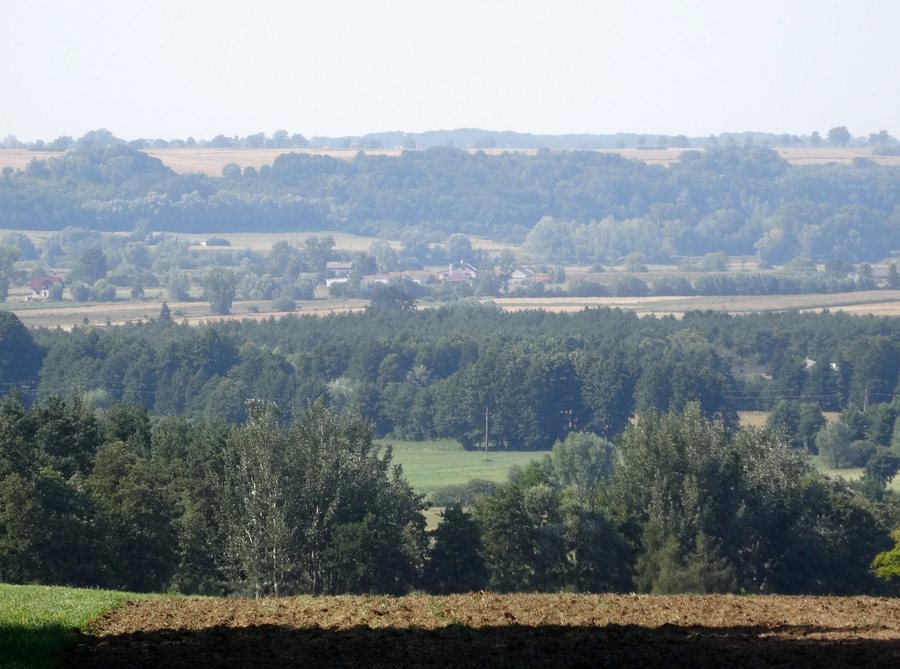
Gzin at a glance
The yellow “Rezerwaty” hiking trail is 46 kilometres long; Gzin lies along its route between Raciniewo and Linie. In the centre of Gzin is a hillfort dating from the Lusatian culture period, one of the oldest archaeological sites in the Chełmno region. The “Linie” nature reserve is about two kilometres south of Gzin. Established in 1956, it covers 12.32 hectares.
What historical traces can you find in Gzin?
The hillfort in the centre provides Gzin with a specific archaeological point of interest. Its association with the Lusatian culture period and its status as one of the oldest archaeological sites in the Chełmno region offer two different perspectives: the cultural period places the site in its historical context, while its regional classification indicates its significance in the wider area. If you want to include cultural history in your trip, this gives you a specific place and period to connect with Gzin, rather than simply describing it as historically interesting in general.
West of Gzin, the ramparts at Grodzisko survive to heights of up to eleven metres. This measurement gives another specific sense of the remains of the fortifications described here. Together with the centrally located hillfort, these details make historical traces a tangible topic to consider when planning your trip. Note the location of each site: the hillfort is in the centre of Gzin, while Grodzisko is west of the village.
How does the hiking trail fit into your plans?
The 46 kilometres refer to the full length of the yellow “Rezerwaty” hiking trail. Gzin is a stop between Raciniewo and Linie, so the distance given is not a section within the village. This distinction helps you place Gzin along the longer route without mistaking the total distance for a local walk. If you are planning a hike, check for current information about the trail in advance.
The hiking trail and the hillfort appeal to different interests: the stop on a longer route helps with route planning, while the hillfort offers a specific historical point of interest in Gzin. Which matters more to your plans depends on whether you are considering the trail as a whole or are primarily interested in learning about the village’s history.
What characterises the “Linie” nature reserve?
The nature reserve lies about two kilometres south of Gzin and covers 12.32 hectares. It protects a transitional peat bog with dwarf birches, which are considered a relic of the post-glacial period. A bog form of Scots pine also grows among the dwarf birch shrubs, likewise in a stunted form. These plant characteristics give the landscape a very specific character: the focus is on a named habitat and the woody plants found there, rather than a general description of nature.
The historical sites offer a different point of comparison: the hillfort represents Gzin’s cultural history, while “Linie” is defined by its peat bog and vegetation. The approximate distance and southerly location help you orient yourself in relation to the nature reserve.
Discover more destinations: Januszkowo, Strzelewo, Gogolinek, Trzeciewiec, Wiskitno, Brzoza, Ciele and Koronowo.
FAQ
How long is the yellow “Rezerwaty” hiking trail?
The trail is 46 kilometres long. Gzin lies on the route between Raciniewo and Linie.
What historical site is located in the centre of Gzin?
A hillfort dating from the Lusatian culture period is located there. It is one of the oldest archaeological sites in the Chełmno region.
What makes the “Linie” nature reserve distinctive?
The reserve, about two kilometres south of Gzin, covers 12.32 hectares. It protects a transitional peat bog with dwarf birches and a bog form of Scots pine.
For the wider travel overview: Bydgoski.

