
Runowo Krajeńskie: Discover Culture and Nature
Accommodation in Runowo Krajeńskie
Runowo Krajeńskie combines a blue hiking trail with a rich local history: alongside the late Renaissance parish church, the area’s notable features include a landscape park and the heritage of the palace complex. This gives you two distinct themes to consider when planning your trip—hiking and culture—which you can prioritize according to your interests.
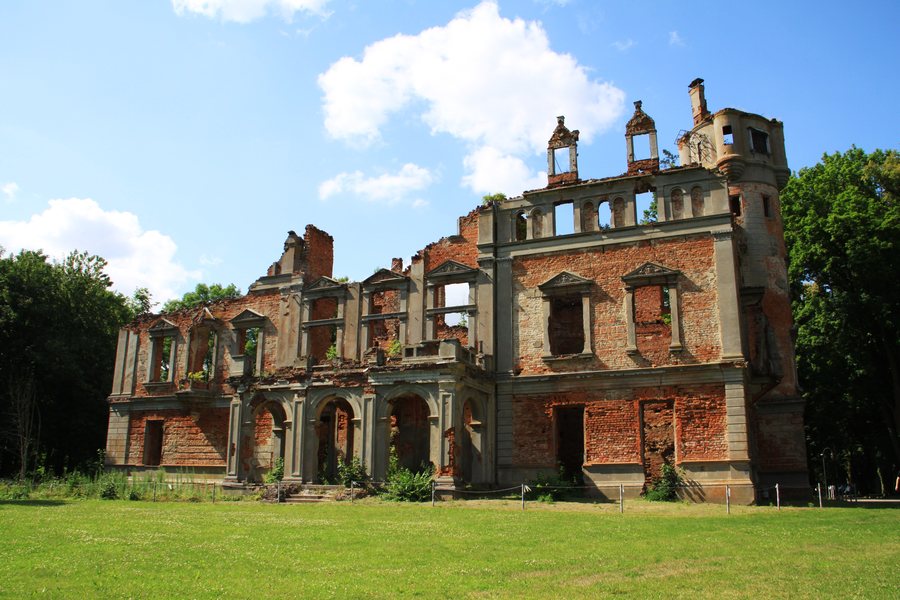
Runowo Krajeńskie at a glance
- The 20-kilometer blue Szlak im. Stanisława Łabędzińskiego trail passes through Runowo Krajeńskie.
- The name Runowo was first mentioned in a written document in 1325.
- The parish church was built in 1606–1609 in the late Renaissance style on the site of an earlier wooden church.
- The organist’s house dates from the late 18th century; the remains of two Protestant cemeteries from the 19th and early 20th centuries have also been preserved.
- Pałac Runowo is located within Krajeński Landscape Park.
Which hiking option passes through the area?
The Szlak im. Stanisława Łabędzińskiego is 20 kilometers long, marked in blue, and passes through Runowo Krajeńskie. Its stated length is a specific reference point when planning how much hiking to include in your trip. Check the local trail markings before setting out.
The route is a distinct attraction alongside the historic buildings and parkland. When planning your trip, you can first decide whether hiking or local history should take priority. The trail passes through Runowo Krajeńskie; its length and markings give it a clear profile as a hiking option.
Which historical traces are especially interesting?
The parish church was built between 1606 and 1609 in the late Renaissance style. It stands on the site of an earlier wooden church. The construction dates and the earlier building represent two distinct historical layers: a dated stone church and an older place of worship. The church contains paintings of its founders, F. and J. Orzelski; the interior furnishings are attributed to the early 17th and 18th centuries.
Other architectural and cultural traces add to this historical span. The organist’s house dates from the late 18th century. There are also remains of two Protestant cemeteries dating from the 19th and early 20th centuries. The area’s history cannot therefore be reduced to a single building or period: the church, residential building, and cemetery remains represent different eras.
The name Runowo also has its own historical significance: it was first mentioned in a written document in 1325. This date marks the first written mention of the name, not a founding date. Countess Teofila z Działyńskich Szołdrska-Potulicka, known as “Biała Dama,” is also associated with Runowo: she was born in the palace at Runowo.
A clock tower survives from the original Pałac Runowo. Together with the countess’s story and the traces of the palace complex, it offers another way to explore the area’s cultural history. The biographical connection, the documented architectural history, and the surviving structures mentioned today each represent different aspects of the palace story.
How do the park and landscape fit into the picture?
Runowo Krajeńskie has a landscape park. Two oaks and an ash in the park of the former palace-and-park complex are designated as monument trees. These protected trees give the park a tangible point of interest and add a landscape perspective to the historic buildings.
Pałac Runowo is located within Krajeński Landscape Park. Both the palace’s location in this landscape park and the parkland and monument trees of the former palace complex are part of the area’s character. If you are interested in culture and landscape, the architectural history, surviving park features, and named hiking route offer different perspectives to help you choose your destination.
Discover more destinations: Sępólno Krajeńskie, Jerzmionki, Wiśniewa, Dorotowo, Więcbork, Kamien Krajenski
FAQ
Which hiking trail passes through Runowo Krajeńskie?
The 20-kilometer blue Szlak im. Stanisława Łabędzińskiego trail passes through the area. Check the local trail markings before setting out.
When was the parish church built?
The parish church was built in 1606–1609 in the late Renaissance style on the site of an earlier wooden church.
What is Teofila Potulicka’s connection to Runowo?
Countess Teofila z Działyńskich Szołdrska-Potulicka, known as “Biała Dama,” was born in the palace at Runowo.
What remains of Pałac Runowo?
A clock tower survives from the original palace.
To the main travel overview: Sępoleński.

