
Biskupin – Archaeology, narrow-gauge railway and historic routes
Accommodation in Biskupin
A trip to Biskupin revolves around the nearby Archaeological Museum, a seasonal narrow-gauge railway with a stop at the museum, and routes that pass through the built-up area or end there.
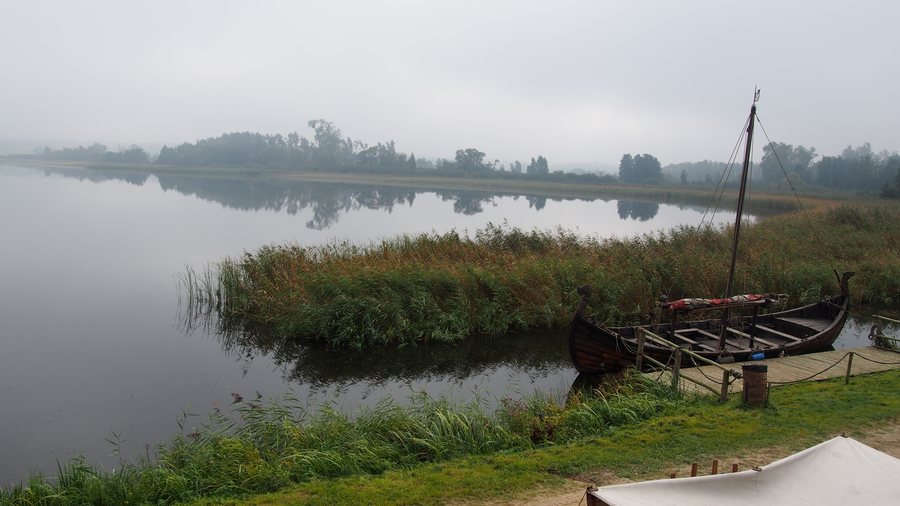
Biskupin facts at a glance
The Archaeological Reserve covers about 38 hectares and preserves traces of earlier settlements dating from the Stone Age to the early Middle Ages. It is one of the largest in Europe and has been designated a Pomnik Historii.
- During the tourist season, the Żnińska Kolej Powiatowa runs on the Żnin–Wenecja–Biskupin–Gąsawa route.
- The Archaeological Museum can be reached by bus from Żnin or Gąsawa; a stop at the museum car park is available on request.
- The Pałucki-Szlak-Rowerowy passes through the built-up area of Biskupin; the Szlak śladami prehistorii ends there.
What can you learn about the history of Biskupin?
The Archaeological Reserve near Biskupin combines a large area with a long time span: its approximately 38 hectares contain numerous traces of earlier settlements dating from the Stone Age to the early Middle Ages. The reserve is one of the largest in Europe and has been designated a Pomnik Historii. This means the focus is not on just one period, but on a succession of early settlement history.
This context can help you distinguish the archaeological focus from other historical themes in the surrounding area when planning your trip. The museum and the associated traces of earlier settlements offer one perspective; collections, ethnographic objects and surviving sections of walls provide others.
How do you get to the Archaeological Museum?
During the tourist season, the Żnińska Kolej Powiatowa, also known as the Kolejka Wąskotorowa, runs on the Żnin–Wenecja–Biskupin–Gąsawa route. In Biskupin, the stop is right by the Archaeological Museum. As the railway runs seasonally, it is worth checking the timetable before your visit.
The museum can also be reached by bus from Żnin or Gąsawa. There is a stop in Biskupin; there is also a stop at the museum car park that operates on request. For your journey, the distinction is useful: the railway operates seasonally, while the stop at the museum car park is served on request.
Which routes pass through or lead to Biskupin?
The Pałucki-Szlak-Rowerowy passes through the built-up area of Biskupin. The Szlak śladami prehistorii starts in Złotowo and ends in Biskupin. The routes therefore relate to the town in different ways: one passes through the built-up area, while the other names Biskupin as its endpoint.
Check the current conditions for both routes before setting out.
Which historic sites can you add to your visit?
The narrow-gauge railway museum in Wenecja is nearby. Its collection comprises 70 exhibits, including steam locomotives, locomotives, rail trolleys and carriages. The oldest exhibits date from the 19th century. The collection offers a distinct perspective on the history of narrow-gauge railways, while the Archaeological Museum focuses on early settlements.
The Chata Pałucka, an ethnographic building listed in the register of monuments, is also nearby. In Wenecja, fragments of the castle’s stone and brick walls and its courtyard have survived. Gmina Gąsawa lies on the Szlak Piastowski and offers another point of interest in the region.
Discover more destinations: Rozalinowo, Żnin, Sarbinowo, Gąsawa, Januszkowo, Rogowo, Młodocin.
FAQ
When does the Żnińska Kolej Powiatowa run?
The railway runs during the tourist season on the Żnin–Wenecja–Biskupin–Gąsawa route. Its stop in Biskupin is right by the Archaeological Museum.
How do the two routes associated with Biskupin differ?
The Pałucki-Szlak-Rowerowy passes through the built-up area. The Szlak śladami prehistorii starts in Złotowo and ends in Biskupin. Check the current route conditions before setting out.
What time period does the Archaeological Reserve cover?
The numerous traces of earlier settlements date from the Stone Age to the early Middle Ages. The reserve covers about 38 hectares and is one of the largest in Europe.
Go to the main travel overview: Żniński.

