
Kraków: Historic Centre, Main Market Square and Wawel
Accommodation in Kraków
Kraków combines urban history with specific places that appeal to different interests. The architecture of the Historic Centre, the history of the Main Market Square and seasonal experiences at Wawel offer you a range of starting points for planning your trip.
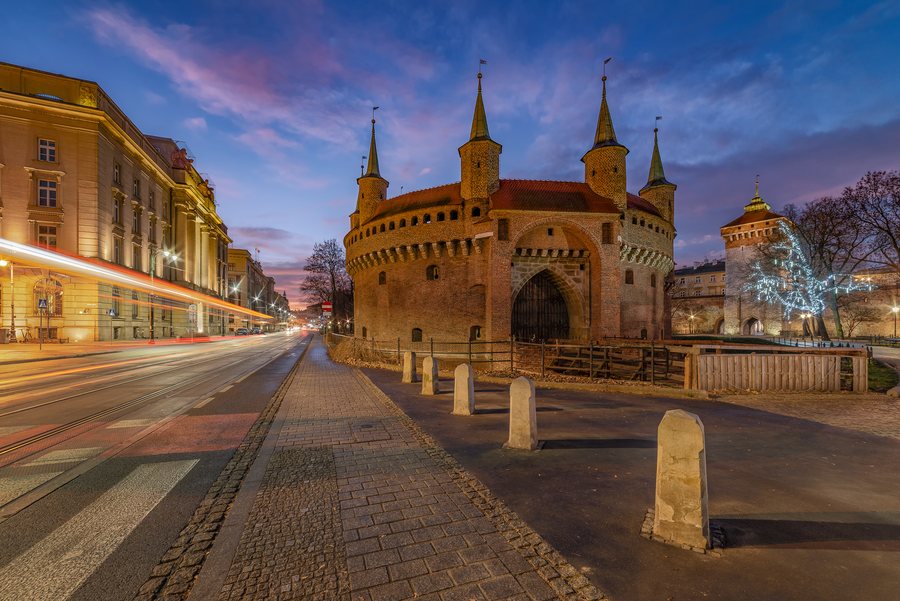
Kraków at a glance
The Historic Centre lies on the Vistula and is considered an outstanding example of European urban planning. Its architecture spans the early Romanesque period to modern times. The Main Market Square was laid out as a square at the intersection of old trade routes; each side is about 200 metres long. At Wawel, the hill is an outcrop of Jurassic limestone formed approximately 150 million years ago.
What defines the Historic Centre?
The Historic Centre can be explored through its urban planning and architecture: the span from the early Romanesque period to modern times reflects very different building periods. Kraków’s Gothic cathedral is the burial place of the kings of Poland. For travellers interested in history and architecture, these features offer different perspectives on the city rather than focusing on just one architectural style.
The medieval city of Kazimierz also has its own cultural identity. It was shaped by the Catholic and Jewish faiths, as well as their respective cultures and customs. Together with the cathedral and the architecture of the Historic Centre, Kazimierz offers another way to explore Kraków’s religious and cultural history.
What does the Main Market Square tell us about Kraków?
The square layout of the Main Market Square reflects its location at the intersection of old trade routes. Its sides, each about 200 metres long, give a sense of the square’s scale. Its history is also reflected in the former trading areas, where salt, coal, poultry, lead, fish and coopers’ goods were traded. This variety of goods offers a tangible sense of the different branches of trade represented in the square.
The Main Market Square is also associated with the Lajkonik procession with the Mlaskoty band, the nativity scene competition and the enthronement of Król Kurkowy (Fowler King). If you want to plan your trip around one of these events, check the dates when planning.
What experiences does Wawel offer throughout the year?
Wawel combines a geological perspective on the hill with seasonal opportunities for sightseeing. From spring to mid-autumn, visitors can take a guided outdoor tour of the architecture and gardens. During this period, they can also descend into the Dragon’s Den or climb Sandomierska Tower. The experiences differ in focus: the tour takes you to the architecture and gardens, while the Dragon’s Den and the tower are two specific places to visit. Check the latest operating details before your trip.
When planning your trip, you can first consider whether you are most interested in urban planning and architecture, the trading history of the Main Market Square, Kazimierz or the seasonal options at Wawel. This makes it possible to give the different themes of Kraków the emphasis you want in your own itinerary, without combining them into a single sightseeing programme.
Discover more destinations: Zielonki, Kryspinów, Balice, Wrząsowice, Zabierzów, Modlnica and Niedźwiedź.
FAQ
Where is Kraków’s Historic Centre?
The Historic Centre lies on the Vistula. It is an outstanding example of European urban planning and features architecture from the early Romanesque period to modern times.
Which Wawel experiences are seasonal?
From spring to mid-autumn, visitors can take a guided outdoor tour of the architecture and gardens, descend into the Dragon’s Den and climb Sandomierska Tower. Check the latest operating details before your visit.
Which traditions are associated with the Main Market Square?
They include the Lajkonik procession with the Mlaskoty band, the nativity scene competition and the enthronement of Król Kurkowy (Fowler King). Check the event dates if you are planning your trip around them.
For the main travel overview: Kraków.

