
Krzeszowice: Routes, Palace and Healing Water Tradition
Accommodation in Krzeszowice
Explore Krzeszowice through three named routes, the Neo-Renaissance Potocki Palace and a long tradition of healing waters.
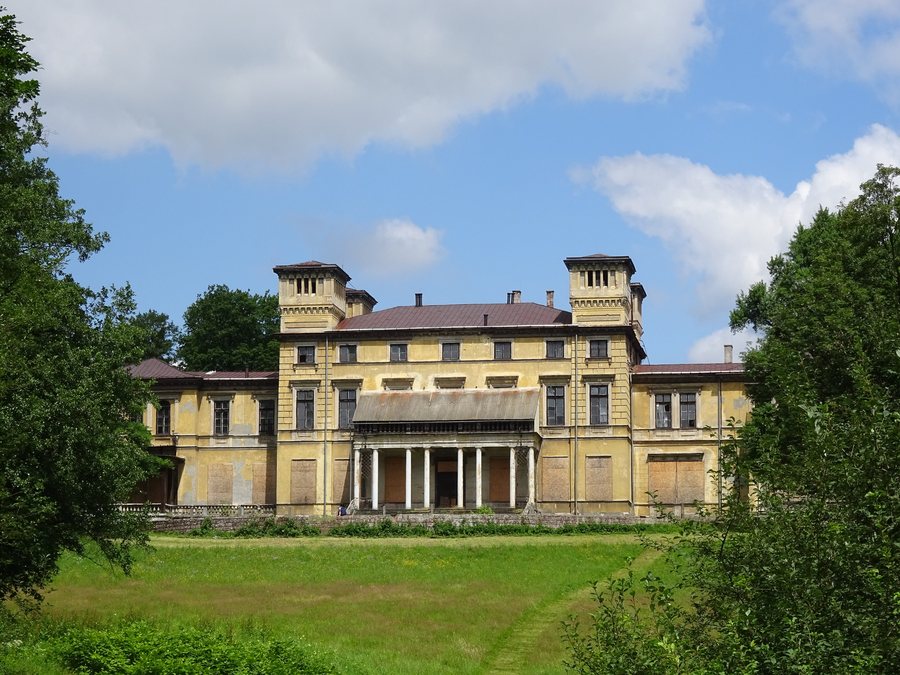 Pałac Potockich w Krzeszowicach. Fasada - widok od strony Parku miejskiego.
Photo: Mach240390 via Wikimedia Commons, CC BY 4.0
Krzeszowice at a glance
- The Szlak Doliny Mnikowskiej is 30 kilometres long and starts at Krzeszowice railway station.
- The southern section of the Szlak Puszczy Dulowskiej runs from Chrzanów to Krzeszowice.
- The northern section of the Szlak Dawnego Górnictwa runs from Krzeszowice to Chrzanów.
- The Potocki Palace is a Neo-Renaissance monument in the park and palace complex.
- Healing waters have been used here since the early 17th century; Krzeszowice is not officially a spa town.
Which routes pass through Krzeszowice?
The 30-kilometre Szlak Doliny Mnikowskiej starts at Krzeszowice railway station and passes through Tenczynek, Rudno, the “Zwierzyniec” forest and the Sanka Valley before reaching Mnikowska Gorge. The sequence of named places and landscapes gives this route a clear course from the station to the gorge.
The other two route sections can be compared by their shared endpoints. The southern section of the Szlak Puszczy Dulowskiej runs from Chrzanów via Trzebinia, Dulowa, Rudno and Tenczynek to Krzeszowice. The northern section of the Szlak Dawnego Górnictwa starts in Krzeszowice and runs via Czatkowice, Czerna, Nowa Góra, Ostrężnica and Siersza to Chrzanów.
Both sections run between Chrzanów and Krzeszowice, but pass through different places along the way. When comparing them, you can therefore consider which stops are included on each route. The Mnikowska route has a different focus, starting at the railway station and ending at a gorge. As route details may change, check the route before making specific plans.
What do the palace and healing water tradition tell us?
The Potocki Palace is a monument in the park and palace complex in Krzeszowice and is classified as Neo-Renaissance. The term describes a later revival of Renaissance forms and helps explain the palace’s architectural classification. For travellers interested in architectural history, the monument offers a cultural theme in its own right, alongside the routes.
The healing water tradition also shapes the town’s history: healing waters have been used in Krzeszowice since the early 17th century. At the same time, the town is not officially a spa town. Historical use and official classification are two distinct aspects to keep in mind when planning.
How should you approach your accommodation search?
Compare specific hotels based on their location and the amenities that matter to your travel group. If a route is part of your plans, factor its course into your considerations and check the route information in advance.
Discover more destinations: Wrząsowice, Przybysławice, Rybna, Mogilany, Sąspów, Czerna and Chrosna.
FAQ
How long is the Szlak Doliny Mnikowskiej?
The route is 30 kilometres long. It starts at Krzeszowice railway station and runs to Mnikowska Gorge.
Which places do the two sections between Chrzanów and Krzeszowice pass through?
The southern section of the Szlak Puszczy Dulowskiej passes through Trzebinia, Dulowa, Rudno and Tenczynek. The northern section of the Szlak Dawnego Górnictwa runs through Czatkowice, Czerna, Nowa Góra, Ostrężnica and Siersza.
Which architectural style is the Potocki Palace classified as?
The palace in the park and palace complex in Krzeszowice is a Neo-Renaissance monument.
Is Krzeszowice a spa town?
No. Although healing waters have been used there since the early 17th century, Krzeszowice is not officially a spa town.
For the broader travel overview: Kraków.

