
Świątniki Górne: Ironworking and Culture
Accommodation in Świątniki Górne
Świątniki Górne combines a long tradition of ironworking with traces of local history. The museum, the pseudo-Romanesque church, memorial sites, and a cycling route offer tangible themes for a stay. You can explore the town through its craft history, sacred art, or a bike ride.
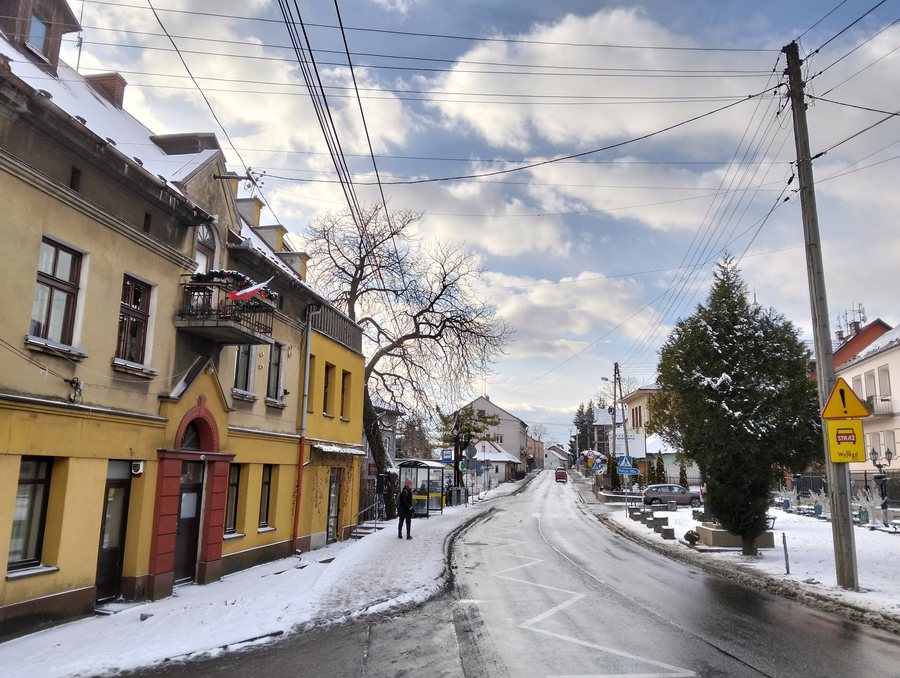
Quick facts about Świątniki Górne
- The tradition behind the Marcin Mikuła Museum of Ironworking dates back to 1893; the museum has existed in its current form since 2007.
- The Church of St. Stanislaus was built between 1846 and 1856 and is a copy of a church in Debrecen, Hungary.
- The red-marked “Skarby blisko Krakowa - trasa nr 7” cycling route is 16.7 km long and runs from Świątniki Górne to Świątniki Górne.
What does the museum tell us about ironworking?
The museum’s history goes back further than its current form: in 1893, Kazimierz Bruchnalski, the first director of the locksmithing vocational school, founded the Museum of Locksmithing. The museum has existed in its current form since 2007. The town’s craft tradition also goes back a long way. As early as the Jagiellonian era, Świątniki Górne had a bell foundry and a small forge. Around the turn of the 17th century, Kraków bishop and cardinal Jerzy Radziwiłł brought Italian gunsmiths to the town. Świątniki then developed into one of southern Poland’s largest armaments workshops and a center of armor-making and locksmithing.
The permanent exhibition includes historical padlocks and a reconstructed locksmith’s and blacksmith’s workshop. It also features an exhibition about armorers from Świątniki Górne and knightly weapons, as well as memorabilia of the Wawel cathedral guards. The museum also organizes temporary exhibitions, lectures, and workshops. If a particular event is important to your plans, check its dates in advance.
What history and art does the church showcase?
The pseudo-Romanesque Church of St. Stanislaus, Bishop and Martyr, was built between 1846 and 1856. It is a copy of a church in Debrecen, Hungary. “Pseudo-Romanesque” describes a later architectural style inspired by Romanesque forms. The church’s furnishings are also of interest: two 18th-century altars were created by the Italian architect Franciszek Placidi (1710–1782). In 1905, the Wawel Cathedral key holders of the time brought the altars to Świątniki. They therefore predate the church building; their journey to Świątniki is part of the history of 1905.
Where can you discover the local culture of remembrance?
A walk to the local sights can begin in the center of Świątniki Górne. Beside the cemetery stands the “Synom tej Ziemi” monument. It is dedicated to residents of the town who fell in wars and uprisings—from the Napoleonic Wars through the national uprisings and the Polish–Soviet War to the Second World War—and were buried outside their hometown.
The 1863 Insurgents’ Cross is also located in the cemetery. Every year on All Saints’ Day, the representative brass band of the City and Municipality of Świątniki Górne plays there. The monument and the recurring musical event offer different ways to engage with the town’s memorial sites.
What should you know about the cycling route?
The red-marked “Skarby blisko Krakowa - trasa nr 7” cycling route is 16.7 km long and runs from Świątniki Górne to Świątniki Górne. The stated endpoints form a loop, with the same starting and finishing point. Check route conditions before setting off.
Discover more destinations: Wlosan, Kopanka, Racławice, Sułkowice, Rząska, Bolechowice, Mogilany, Modlnica.
FAQ
What is included in the museum’s permanent exhibition?
It includes historical padlocks, a reconstructed locksmith’s and blacksmith’s workshop, an exhibition about armorers from Świątniki Górne and knightly weapons, as well as memorabilia of the Wawel cathedral guards.
What connects the church with Debrecen?
The pseudo-Romanesque Church of St. Stanislaus in Świątniki Górne is a copy of a church in Debrecen, Hungary. Its two 18th-century altars were brought to Świątniki in 1905.
How long is the “Skarby blisko Krakowa - trasa nr 7” cycling route?
The red-marked cycling route is 16.7 km long and runs from Świątniki Górne to Świątniki Górne. Check route conditions before setting off.
Go to the main travel overview: Kraków.

