
Dobra
Accommodation in Dobra
Dobra is a destination for travelers interested in religious art, a parish museum and regional folklore. Architectural history is also a theme: the wooden church and the historic railway viaduct offer different points of interest for planning a trip.
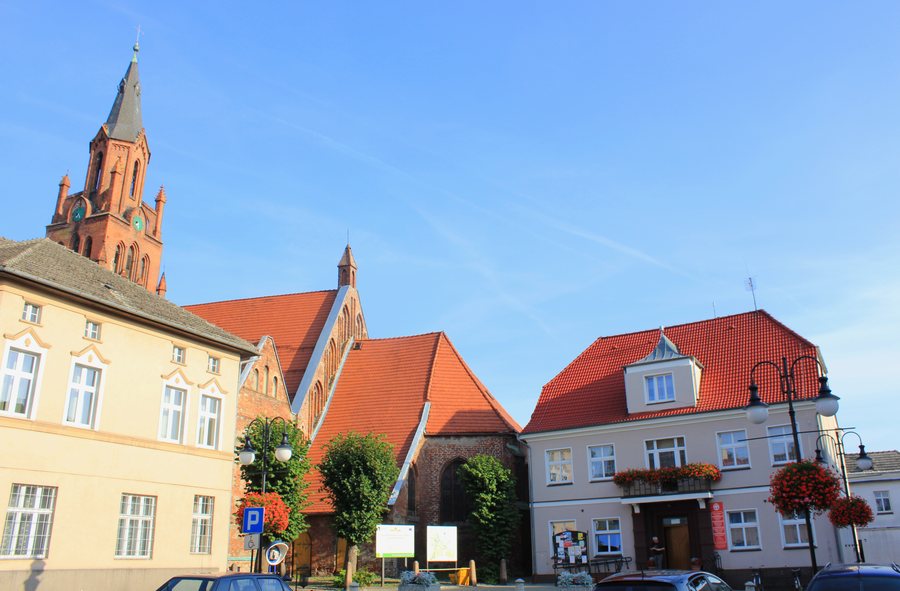 File:Dobra, teren Starego Miasta - 3.JPG
Photo: Piotr Śliżewski via Wikimedia Commons, CC BY-SA 3.0 pl
File:Dobra, teren Starego Miasta - 3.JPG
Photo: Piotr Śliżewski via Wikimedia Commons, CC BY-SA 3.0 pl
Dobra at a glance
- The Roman Catholic Church of the Holy Apostles Simon and Jude Thaddeus is a historic wooden church dating from the 17th century.
- Its late Baroque figurative and ornamental polychrome decoration dates from 1760.
- The parish museum was founded in 1955 as a branch of the Diocesan Museum in Tarnów.
- Dobra is also associated with Śmiguśnioki folklore and a railway bridge or viaduct connected with the former PKP railway station.
What makes the wooden church in Dobra distinctive?
The Church of the Holy Apostles Simon and Jude Thaddeus brings together two distinct periods: the historic wooden Roman Catholic church dates from the 17th century, while its late Baroque polychromy was created in 1760. Here, polychromy refers to the colorful decoration, which includes figurative and ornamental elements. The church can therefore be appreciated both for its wooden architecture and for its interior decoration.
The church is part of the Małopolski Wooden Architecture Route. Those interested in historic wooden buildings can also view it in the context of this architectural route. For a cultural trip, the church offers a specific reason to explore sacred architecture and late Baroque design in Dobra.
What collections does the parish museum preserve?
The parish museum in Dobra preserves paintings, sculptures, handicrafts, liturgical books and ethnographic artifacts. The collection thus encompasses different types of objects: fine art, handcrafted works, books related to the liturgy and ethnographic items. For visitors with broader cultural interests, the museum offers a different focus from the wooden church.
Notable exhibits include a document issued by King Sigismund III Vasa in 1592. The museum's history dates back to 1955, when it was established as a branch of the Diocesan Museum in Tarnów.
What role do the Śmiguśnioki play?
Śmiguśnioki are an integral part of Dobra's folklore. The tradition includes an annual competition held on Easter Monday. In 2026, the competition was planned for the market square in Dobra and the building of the municipal library. This location information refers to the plans for 2026; it does not indicate a future event date.
Alongside the church and museum, the Śmiguśnioki offer Dobra a folkloric point of interest. When comparing cultural themes for your trip, you can distinguish between different interests: sacred art and wooden architecture on the one hand, and a local folklore tradition on the other. The key details for understanding the competition are its annual Easter Monday date and the venues specified for 2026.
What other historic buildings are there?
A memorial plaque in the St. Małachowski manor park commemorates Stanisław Małachowski, Marshal of the Great Sejm. The park is therefore also a place of remembrance.
Another chapter in the area's architectural history is connected with the former PKP railway station building, whose history dates back to 1884. The railway bridge or viaduct associated with the former station lies along the Galician Transversal Railway route. The structure is 143 m long and over 30 m high. The station, railway line and viaduct add a distinct theme to the local history, separate from the religious architecture and museum collections.
Other destinations to compare include Kamionka Mała, Porąbka, Podobin, Poręba Wielka, Kobyłczyna, Kasinka Mala, Mecina and Nowe Rybie.
FAQ
What century does the church in Dobra date from?
The historic wooden Roman Catholic church dates from the 17th century. Its late Baroque polychromy is dated to 1760.
What does the parish museum in Dobra preserve?
The collection includes paintings, sculptures, handicrafts, liturgical books and ethnographic artifacts. A notable exhibit is a document issued by King Sigismund III Vasa in 1592.
When does the Śmiguśnioki competition take place?
The competition takes place annually on Easter Monday. In 2026, it was planned for the market square in Dobra and the building of the municipal library.
For the broader travel overview: Limanowa.

