
Suchoraba
Accommodation in Suchoraba
Suchoraba combines archaeological traces from several eras with memorial sites from the First World War.
Quick facts about Suchoraba
- Route T4 connects Suchoraba with Niepołomice Dworzec railway station; it is valid from January 1, 2026.
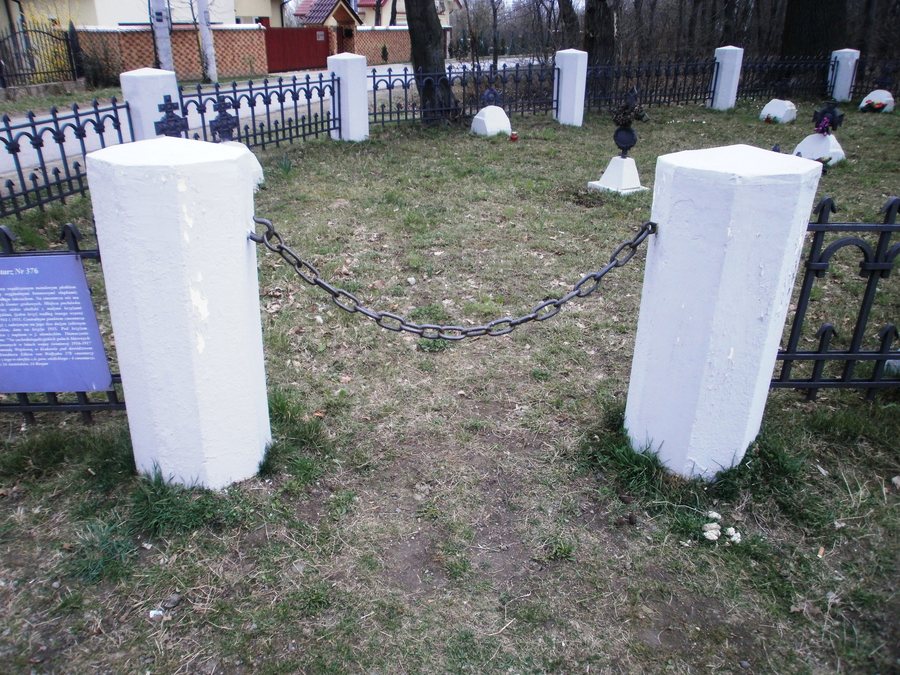
- Military Cemetery No. 376 commemorates Austrian and Russian soldiers who fell in 1914 and 1915.
- An archaeological site contains traces from several prehistoric periods and Roman-era periods.
What history has shaped Suchoraba?
Military Cemetery No. 376 from the First World War was established in 1914 as a burial place for Austrian and Russian soldiers who fell in 1914 and 1915. Its 36 individual graves and 3 mass graves give the site a tangible historical dimension. Those interested in the history of the First World War will find a connection here to the people who lost their lives in the conflict.
The chronology in relation to the front can also be pinpointed: At the beginning of the First World War, from November 30 to December 15, 1914, the Austro-Russian front ran between Staniątki, Zagórze, and Suchoraba on one side and Zakrzów, Słomiróg, and Zabłocie on the other. This information refers to a limited period and a specifically identified line between the named places.
Suchoraba’s history goes back further. From the Middle Ages until around the mid-20th century, the village was owned by the Benedictine Sisters in Staniątki. A manor house dating from the 19th or 20th century also formerly belonged to the Benedictine Sisters. The former manor house at Suchoraba 12 is now a ruin; the associated barn is neglected. This information helps put the village’s historical connections into context without assuming the building is a regular visitor attraction.
What do the archaeological traces reveal?
Site AZP 104-59/124 includes settlement traces from the Neolithic, the Lusatian culture, and the Przeworsk culture, as well as from the Early and Late Roman Imperial periods. It is classified as being of high value. These periods illustrate the broad scope of the archaeological classification of the site; they refer to different eras and do not automatically imply continuous settlement.
A second site, AZP 104-59/128, is listed as a possible Bronze Age cemetery of high value. Its description includes the cautious classification as possibly dating from the Bronze Age. Together, the two sites offer a different historical perspective from the military cemetery: here the focus is on archaeological periods, while there it is on the memory of those who fell in the First World War.
What should you consider when choosing accommodation and planning your journey?
Route T4 connects Suchoraba with Niepołomice Dworzec railway station and is valid from January 1, 2026. If you are looking for a hotel in Suchoraba, you can take this named connection into account when planning your journey. No information about timetables, journey duration, or frequency is provided; check the currently valid connections for specific travel times.
A chapel in Suchoraba was built in 1989 through the joint efforts of local residents. It adds a more recent aspect of the village’s history to its historical and archaeological themes. If you are primarily interested in history, archaeological context, and remembrance of the First World War, you can weigh these different themes when deciding whether to visit Suchoraba.
To compare other destinations, you can also see Mała Wieś, Zakrzów, Gdów, Byszyce, Podstolice, Węgrzce Wielkie, Łysokanie, and Czarnochowice.
FAQ
What connection is there between Suchoraba and Niepołomice Dworzec railway station?
Route T4 connects Suchoraba with Niepołomice Dworzec railway station. It is valid from January 1, 2026.
How many graves are there at Military Cemetery No. 376?
The cemetery contains 36 individual graves and 3 mass graves. It was established in 1914 for Austrian and Russian soldiers who fell in 1914 and 1915.
Which periods are represented at site AZP 104-59/124?
The periods listed are the Neolithic, the Lusatian culture, the Przeworsk culture, and the Early and Late Roman Imperial periods.
For the broader travel overview: Wieliczka.

.JPG)