
Masłów: History and Forests
Accommodation in Masłów
Masłów is a destination for anyone who would like to include historical traces and woodland scenery in their trip. Ruins in the park recall a former palace, while the surrounding forests are ideal for walks, hikes and cycling. The area also offers evidence spanning the Lusatian culture to the local history of the early modern period.
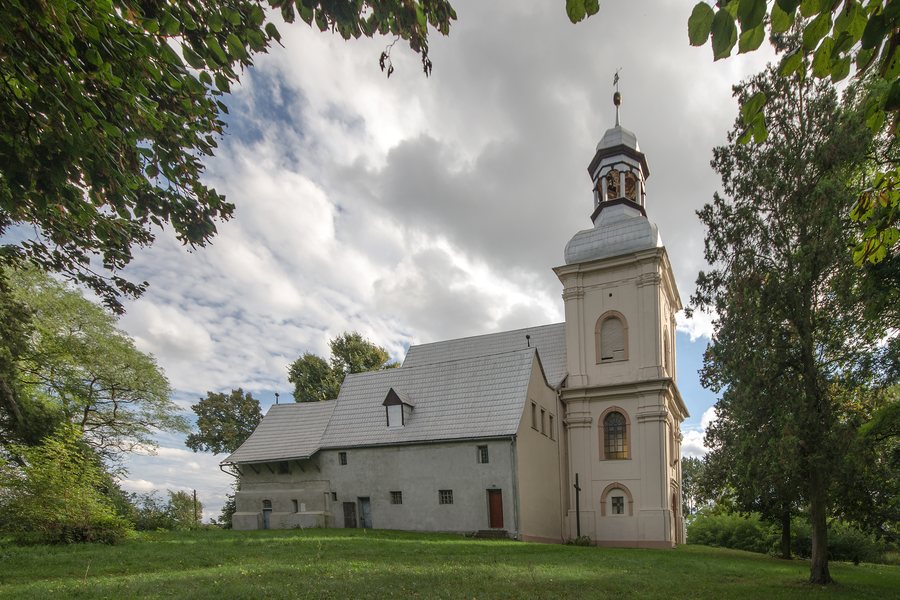 File:SM Masłów kościół Najświętszej Maryi Panny Nieustającej Pomocy (2) ID 597908.jpg
Photo: Sławomir Milejski via Source, CC BY-SA 3.0 pl
File:SM Masłów kościół Najświętszej Maryi Panny Nieustającej Pomocy (2) ID 597908.jpg
Photo: Sławomir Milejski via Source, CC BY-SA 3.0 pl
Masłów: Key Facts
- The ruins of a former palace are located in the park; traces of the moat that once surrounded it have been preserved.
- Other historic sites include the ruins of a former mausoleum built from bog iron.
- Traces of settlement date back to the Lusatian culture.
- The forests offer opportunities for walks, hikes and cycling.
- A local road leads from Ligota to Masłów.
What historical traces can you discover in Masłów?
The park brings together two distinct traces of the former estate: the ruins of the former palace and surviving traces of the moat that surrounded it. This means the site’s historic layout can be traced through more than one feature. Masłów is also home to the ruins of a former mausoleum built from bog iron. This ruin is a different kind of historic building evidence from the palace in the park.
The history of the area goes back further than these structures. Settlement traces date back to the Lusatian culture. A large number of urns were found at the Töppelberg cremation cemetery near Masłów. These finds sparked scholarly interest in the clay vessels in the 16th century. For those interested in culture, this offers a timeline stretching from early settlement traces through the urn finds to later historic sites.
Which cultural landmarks shape the area?
The branch church of Matki Bożej Nieustającej Pomocy is listed in the register of historic monuments. It was historically a Protestant church. Sandstone epitaphs in Masłów commemorate members of the founder’s family, the owners of Masłów and local nobility. They date from 1585 to 1652. The inscriptions and names thus refer to various people and groups connected with the area’s history.
The area around Masłów was also described at an early date: the comprehensive account entitled “Maslographia” was published in 1711. Together with the archaeological finds and historic buildings, it offers another way to explore the area’s history.
What can you do in nature?
The forests of Masłów are suitable for walks and hikes, and cycling is also possible. You can therefore spend your stay exploring on foot or go for a bike ride. There are also trees in the Masłów area that are registered as natural monuments, including a horse chestnut and a black poplar. Nature enthusiasts can consider the forest activities and these distinctive tree species as separate facets of the area.
How can you reach Masłów and choose a base?
A local road leads from Ligota to Masłów. If you begin your trip in Ligota, this route provides a specific reference point for getting there. You can take into account whether you want to focus on cultural history or time outdoors when choosing where to stay.
FAQ
What has been preserved in the park in Masłów?
The park contains the ruins of a former palace and traces of the moat that surrounded it.
What activities do the forests of Masłów offer?
The forests offer opportunities for walks, hikes and cycling.
When was “Maslographia” published?
The comprehensive account of the area around Masłów was published in 1711.
What historic urn finds have been made near Masłów?
A large number of urns were found at the Töppelberg cremation cemetery near Masłów. In the 16th century, they sparked scholarly interest in these clay vessels.
For the broader travel overview: Świątniki.

_ID_597908.jpg)