
Discover Krężnica Jara
Accommodation in Krężnica Jara
Krężnica Jara brings together a waterside landscape, places of remembrance and church architecture. The following points of reference will help you understand the different sides of the village and weigh up your travel interests.
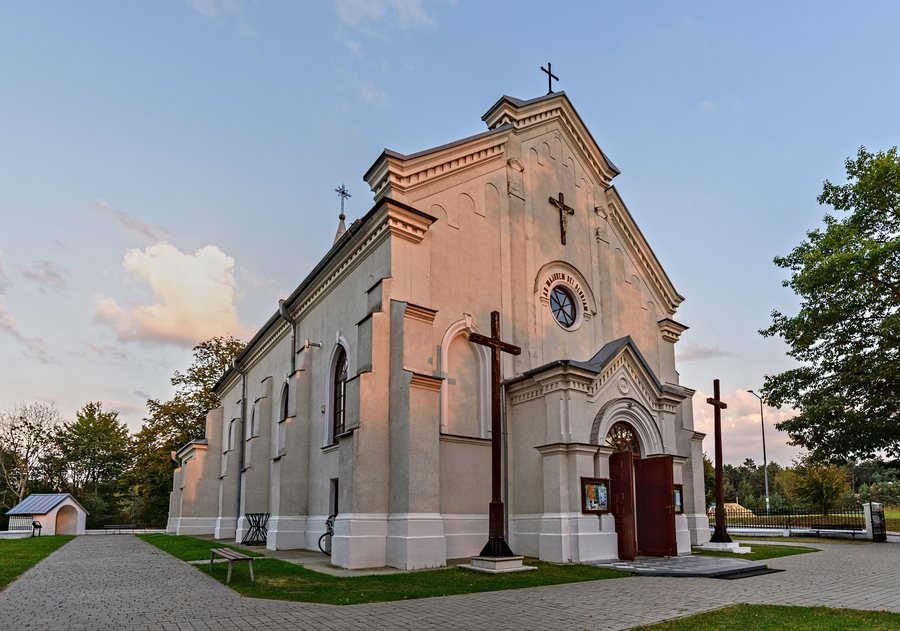 File:Kościół parafialny pw. św. Floriana - Krężnica Jara.jpg
Photo: Grażyna Adamczyk via Wikimedia Commons, CC BY-SA 4.0
File:Kościół parafialny pw. św. Floriana - Krężnica Jara.jpg
Photo: Grażyna Adamczyk via Wikimedia Commons, CC BY-SA 4.0
Quick facts about Krężnica Jara
The landscape is shaped by the meandering Krężniczanka valley, stream springs, the Sobieszczanka and hunting ponds. A tourist rest shelter with a fire pit and bicycle racks stands at the roundabout. Historical landmarks include St. Florian’s Parish Church and an obelisk commemorating events from 1944.
What shapes the landscape of Krężnica Jara?
The Krężniczanka provides the village’s landscape setting: its valley is marked by meanders. It is also fed by numerous springs that drain into the river. The Sobieszczanka flows into the Krężniczanka as a tributary, and hunting ponds also dot the landscape. Together, these waterways and their banks offer a different perspective from a visit focused solely on the village or its culture.
The landscape offers opportunities for recreation, including for people from outside the village. This means Krężnica Jara is not defined solely by individual buildings or places of remembrance. If landscape and water are your main considerations when choosing a destination, the valley, tributaries and ponds are a useful starting point for your first impression.
What cultural and commemorative sites are there?
St. Florian’s Parish Church was built in 1884–1887 and is designed in the Neo-Gothic style. Its altars and sculptures date from the turn of the 18th and 19th centuries and are predominantly eclectic in style. The church’s construction and furnishings therefore point to different periods: the church was built in the late 19th century, while the works of art mentioned are older.
An obelisk on a road in Krężnica Jara commemorates two events from July 1944. One was the train disaster on the night of 21–22 July, when partisans blew up a German munitions train. The obelisk also commemorates the execution of 22 residents from Makoszka and Plebania Wola on 22 July 1944. The church and obelisk thus offer different ways of engaging with local history: sacred architecture and the remembrance of specific wartime events.
How can you weigh up the village’s features when planning your trip?
Your choice depends on the subjects that interest you most. The river valley, springs and hunting ponds offer a focus on landscape, while the church and obelisk provide a cultural and historical perspective on Krężnica Jara. These two perspectives complement each other without one replacing the other. When planning your trip, you can consider whether you would prefer to shape your stay around nature and recreation or around architecture and local history.
Another specific point of reference is the rest shelter at the roundabout. The shelter has a fire pit and bicycle racks. The landscape, cultural sites and rest shelter offer different ways to explore Krężnica Jara in line with your own travel interests.
Discover more destinations: Jastków, Bystrzyca Nowa, Bychawa, Lublin, Garbów, Niemce.
FAQ
Which waterways shape Krężnica Jara?
The landscape includes the meandering Krężniczanka valley, springs that drain into the river, the Sobieszczanka as a tributary, and hunting ponds.
What historical sites and memorials are there?
St. Florian’s Parish Church is Neo-Gothic and was built in 1884–1887. An obelisk on a road commemorates the train disaster of July 1944 and the execution of 22 residents from Makoszka and Plebania Wola.
What does the rest shelter at the roundabout include?
The tourist rest shelter is equipped with a fire pit and bicycle racks.
For the broader travel overview: Lublin.

